
 Caleb Turner
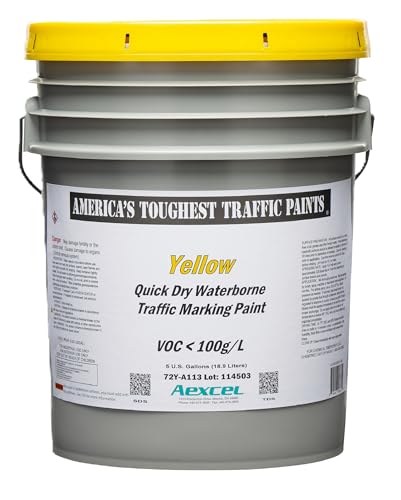
It’s advisable to wait at least 24 hours before placing any objects back into a freshly coated area. This timeframe allows the pigments to cure and harden, ensuring the durability of the applied layer. Ventilation plays a crucial role; if possible, keep windows open and use fans to enhance airflow. This aids in speeding up the drying process.
While 24 hours is a general guideline, specific conditions such as humidity and temperature can affect the actual drying time. In high humidity, it might take longer for the paint to set, while a warmer environment can expedite the process. Always conduct a simple touch test in an inconspicuous area to confirm that the surface is dry and ready for contact.
Additionally, consider the type of paint used. Latex paints typically dry faster than oil-based varieties, which may require up to a week for full curing. Understanding these factors will help you make informed decisions about when to reorganize your space without compromising the quality of your work.


Guidelines for Relocating Items Post-Decorating
Wait a minimum of 24 hours before repositioning lighter objects, such as smaller chairs or cushions. For more substantial pieces, like sofas or bookshelves, extend this timeframe to at least 48 hours, allowing the finish to cure effectively. This duration ensures that surfaces remain intact and prevent any potential damage.
| Type of Item | Recommended Waiting Period |
|---|---|
| Small Items (e.g., cushions, lightweight décor) | 24 hours |
| Medium Items (e.g., coffee tables, stools) | 36 hours |
| Heavy Items (e.g., sofas, bookshelves) | 48 hours |
Ventilation plays a significant role; ensure proper airflow to expedite drying. Temperature and humidity also impact the duration required for items to be safely positioned. In cooler or more humid conditions, extending wait times may be necessary to achieve optimal results.
For painted surfaces, touching them lightly can help gauge readiness. If the paint feels tacky, allocate additional time before placing items back. Using furniture pads can prevent scratches when relocating heavier pieces closer to walls or freshly painted areas.
Understanding Paint Drying Times
Typically, I advise allowing at least 24 hours for latex options to dry before introducing any items to a freshly treated area. For oil-based solutions, this period can extend up to 48 hours. However, drying times may vary based on environmental factors such as humidity levels and air circulation. Optimal conditions can significantly reduce the waiting period.
Factors Influencing Drying Duration
Temperature plays a pivotal role; higher degrees expedite the process, while lower temps can slow it down. In humid conditions, moisture retention affects how quickly a surface becomes dry. Proper ventilation aids in achieving quicker results; opening windows or using fans helps circulate air. I often monitor the surface by lightly touching it; if it feels tacky, more time is needed.
Types of Paint and Their Impact
Different formulations yield different drying characteristics. For instance, quick-drying varieties contain additives that enhance speed, typically being ready in a matter of hours. Conversely, traditional paints require extended periods. Always check the manufacturer’s guidelines for the specific product used–this provides clarity on recommended waiting periods before reintroducing belongings into the space.
Factors Affecting Drying Times
Understanding the aspects influencing the drying process can help you make better decisions regarding your space. Here are key factors to consider:
- Temperature: Higher temperatures facilitate quicker evaporation of solvents in the paint, speeding up the drying time. Aim for a warm environment, ideally around 70°F (21°C).
- Humidity: Elevated humidity levels slow down drying, causing the paint to remain tacky for an extended period. Try to keep humidity levels below 50% for optimal results.
- Air Circulation: Good airflow promotes faster drying. Use fans to enhance circulation, especially in enclosed spaces.
- Type of Paint: Different formulations behave differently. For instance, oil-based paints typically take longer to dry compared to their water-based counterparts.
- Surface Material: Porous surfaces absorb moisture and may retain paint longer. Non-porous surfaces dry relatively quickly.
- Coat Thickness: Applying thicker coats can significantly extend drying duration. It’s advisable to apply multiple thin layers instead.
- Ventilation: Proper ventilation aids in drying by removing moisture-laden air. Open windows and doors to encourage airflow.
By considering these elements, you can make informed choices and ensure a more efficient drying process.
Types of Paint and Their Cure Times
The different categories of paint can significantly impact the time needed before reintroducing items to a freshly coated space. Understanding these distinctions helps in planning effectively.
Acrylic Paint
Acrylic formulations are popular due to their quick drying properties. They typically require:
- Touch Dry: 30 minutes to 1 hour
- Recoat Time: 1 to 4 hours
- Full Cure: 7 to 14 days
Oil-Based Paint
This type of coating takes longer to dry and cure. Expect the following timelines:
- Touch Dry: 6 to 8 hours
- Recoat Time: 24 hours
- Full Cure: 1 month or more
Latex Paint
Latex options are often water-based, leading to shorter drying times:
- Touch Dry: 1 hour
- Recoat Time: 2 to 4 hours
- Full Cure: 2 weeks
Chalk Paint
This finish provides a matte appearance and requires:
- Touch Dry: 30 minutes to 1 hour
- Recoat Time: 1 hour
- Full Cure: 21 days
To ensure optimal results, always refer to the manufacturer’s specifications on the paint can for precise timing and guidelines relating to your specific choice of paint. This consideration aids in achieving the best finish while minimizing damage to the newly coated surfaces.
Testing Paint Dryness Before Relocating
To ensure a surface is ready for items, gently press a clean finger against an inconspicuous spot. If no residue transfers onto your finger, it indicates the paint has dried sufficiently. Additionally, you can lightly touch the painted area; it should feel dry to the touch without any tackiness.
Using a Simple Water Test
Another effective method involves applying a few drops of water on the painted surface. If the water beads up, the paint is not yet cured. Conversely, if the water absorbs into the surface, it’s safe to proceed with placing items back.
Aroma Check
Pay attention to the scent of the paint. A strong odor often signifies that the paint is not fully dry. As the smell fades, it’s a good indication that the area is ready for upgrading with furniture.
Recommended Wait Times for Different Paints
Acrylic latex and water-based paints typically require around 2 to 4 hours for a touch dry state and about 24 hours before items can be placed back. Alkyd and oil-based formulations usually need a longer duration–approximately 6 to 8 hours to become touch dry and up to 48 hours for repositioning objects.
For spray paints, adherence to manufacturer guidelines is critical. Generally, you should aim for 20 to 30 minutes for initial dryness and consider waiting 24 hours before shifting belongings.
Specialty paints, such as chalk or spray chalk type, often suggest a waiting period of 4 to 6 hours for light touch, and I recommend extending this to 72 hours for best results.
For any product, verifying the specific instructions is crucial. Always test a small area to determine the optimal timing before adjusting your space.
Impact of Temperature and Humidity on Drying
Optimal conditions for drying paint typically range from 70°F to 80°F (21°C to 27°C) with humidity levels below 50%. In lower temperatures, the curing process slows significantly. For example, at 60°F (15°C), drying could extend by several hours or even days compared to warmer environments.
Humidity plays a crucial role as well. High humidity levels above 70% can lead to longer drying times and may even prevent the paint from curing properly. This can cause issues such as blushing, where the paint turns cloudy due to moisture. On the contrary, extremely low humidity can accelerate drying, but may cause issues like cracking if the paint dries too quickly.
For best results, maintain a stable environment. If possible, use fans or dehumidifiers in damp conditions and heaters in cold weather. Checking the manufacturer’s instructions on the specific paint product for temperature and humidity guidelines will also ensure optimal outcomes.
Monitoring conditions in the space where the job is done will allow for a better understanding of how these elements impact drying times. If necessary, adjust your plans for the most effective drying environment.
Signs That It’s Safe to Move Furniture
Check for a consistent tackiness; if the surface feels slightly sticky but doesn’t transfer paint to your finger, it’s a positive indicator. Next, evaluate the color saturation; a fully dried appearance means it’s time to rearrange. Look for an even finish without glossiness, as this suggests no wet spots remain.
Odor Assessment
The presence of a strong paint odor typically indicates that the substance hasn’t completely set. If the smell has significantly faded, it’s likely safe to place items back in the room. Utilization of a fan or opening windows can speed up this process but observe the odor levels for guidance.
Test the Edges
Examine the edges of the painted areas, particularly where they meet adjacent surfaces or trim. If these edges remain dry and don’t feel tacky, it’s a reliable sign that the bulk of the area is also ready for furniture placement. When in doubt, always perform a gentle touch test in a discreet corner to ensure complete dryness.
Protecting Your Furniture During the Moving Process
Before relocating your items, ensure proper safeguarding to prevent damage. First, cover all surfaces with protective materials like blankets, bubble wrap, or moving pads. This will shield them from scratches and scuffs during transport.
Disassemble larger pieces when possible, as this minimizes the risk of damage. Keep screws and small parts in labeled bags to simplify reassembly. When wrapping furniture, pay special attention to corners and edges, as these areas are more susceptible to harm.
| Material | Purpose |
|---|---|
| Bubble Wrap | Protection against impact |
| Moving Blankets | Scratch and scuff prevention |
| Stretch Wrap | Secure loose parts and cushions |
| Cardboard | Surface shielding for delicate items |
During the moving process, utilize a dolly or hand truck for heavier objects to reduce strain and keep everything stable. Make sure to lift with your legs, not your back, to avoid injury.
Lastly, if weather conditions are unfavorable, use tarps or weather-resistant covers to keep your belongings dry. Taking these precautions will greatly reduce the likelihood of damage to your possessions while relocating.
Tips for Preventing Damage to Fresh Paint
To ensure the longevity of new layers on walls, consider the following strategies:
- Wait until the surface has cured properly before placing items against it. This can vary based on paint type and environment.
- Use protective coverings like plastic or drop cloths when moving objects close to fresh applications.
- Employ furniture pads or felt stickers to create a barrier between surfaces.
- Keep air circulation optimal; fans can help expedite drying, but avoid direct airflow on wet areas.
- Maintain steady temperature and humidity levels where the application took place; this can significantly impact drying effectiveness.
- Consider performing touch-ups before relocating larger pieces, as this reduces the chance of accidental smudging.
Regularly check the finish for signs of initial adherence; if it feels tacky, delay any potential pressure from items against it.
- When in doubt, extend the waiting period. A cautious approach minimizes the risk of damage.
- Store items away from recently treated walls until confident in their readiness.
Following these recommendations will help maintain the integrity of newly applied colors and finishes.


