
 Caleb Turner
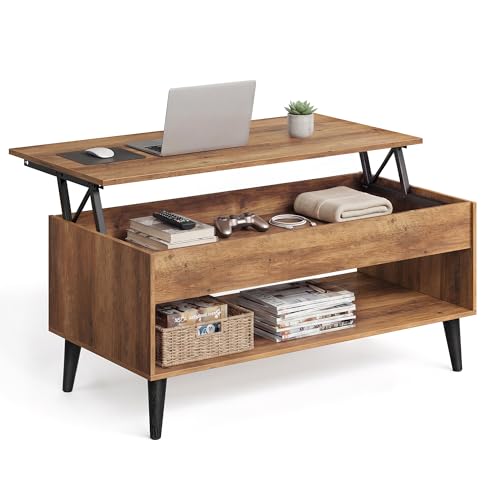
Choosing multi-functional pieces is paramount. A bed with built-in storage or a foldable desk can serve dual purposes, reducing clutter while enhancing usability.
Utilizing vertical surfaces opens up many possibilities. Shelves can be installed high on the walls to hold books or decorative items, liberating floor space for movement.
Strategically placing mirrors can create an illusion of greater space. A well-placed mirror reflects light and scenery, making the area feel larger than it actually is.


Light color palettes work wonders. Opting for pastel shades or lighter tones on walls and bedding can brighten up the space, promoting a more airy and open atmosphere.
Employing a modular approach provides flexibility. Modular systems can be easily rearranged based on how the space is used, adapting to different needs over time.
Maximizing Space in a Compact Sleeping Area
Choose multifunctional pieces. A lofted bed frees up floor area for a desk or seating below. Consider a murphy bed that folds up, converting your resting space into a living area during the day. Select a nightstand with storage to keep items organized.
Utilize vertical surfaces. Install shelves high on the walls to store books or decorative items, keeping the floor clear. Hang hooks or racks for bags, jackets, and accessories to maintain order without occupying precious ground space.
Incorporate sliding doors. A wardrobe with sliding panels minimizes the space needed for doors to swing open. This approach allows you to maximize storage while enhancing accessibility.
Opt for lighter colors. Light shades on walls and textiles create an airy feel. Mirrors can amplify natural light and make the room appear larger, adding depth without requiring additional area.
Consider reducing the size of non-essential items. A narrow desk can accommodate work tasks without overwhelming the space. A compact armchair or bean bag can provide seating without crowding the room.
Choosing Multi-Functional Furniture
Opt for a bed with built-in storage to maximize space. A platform bed or one with drawers underneath can eliminate the need for bulky dressers.
Consider a fold-out desk that can be stowed away when not in use. This provides a convenient workspace without sacrificing room.
Look into ottomans that serve as both seating and storage. They can double as a footrest or a table when needed, while keeping essentials organized.
Use a wall-mounted drop-leaf table for dining or studying. It can be folded down to free up area, ensuring versatility without unnecessary clutter.
Explore convertible sofas that transform into beds. This enables you to host guests while optimizing your sleeping arrangements during the day.
Incorporate modular shelving that can be adjusted or reconfigured based on changing requirements. This adds vertical storage without consuming floor space.
Choose a coffee table with storage compartments. It can keep magazines, books, or remote controls handy, contributing to a tidy atmosphere.
Prioritize items with sleek designs. Streamlined appearances not only complement various styles but also enhance the perception of openness.
Measuring Your Space Accurately
I recommend using a tape measure for precise dimensions of the area. Start with measuring the length and width of the room, as well as the height of walls. Don’t forget to record the locations of windows, doors, and radiators, as they impact placement.
Follow these steps for accuracy:
- Measure the length of each wall, noting any irregularities.
- Calculate the total square footage by multiplying length by width.
- Determine the height to allow for taller items, ensuring adequate headspace.
For furniture planning, document the following:
- Clearances around doors for easy access.
- Space between windows and walls when considering vertical elements.
- Diagonal measurements for corners, especially if planning for items like bookshelves or wardrobes.
Use a sketch or a digital room-planning tool, placing furniture shapes to visualize the layout. This practice helps in making informed choices, enabling the maximization of the available area.
Consider utilizing online calculators to assist in determining optimal arrangements based on the dimensions you’ve gathered. Proper preparation simplifies the selection process and enhances room functionality.
Optimizing Layout for Flow and Accessibility
Prioritize pathways by ensuring at least 24 inches of clearance around key pieces to promote ease of movement. Consider the natural flow of traffic when placing your bed and other elements; position the bed against a wall that does not obstruct doorways or window access.
Zone Creation
Establish distinct areas within the space. Use rugs or different paint colors to delineate specific zones for sleeping, studying, or relaxing. This will enhance functionality and provide a sense of organization.
Furniture Placement Tips
Incorporate furnishings that minimize obstruction. For instance, float the bed away from the wall if possible to access storage underneath. Use wall-mounted shelves to keep the floor clear and maintain an open atmosphere. Placing a small bedside table close to the bed can make accessing items effortless without crowding.
Utilizing Vertical Space with Shelving
Incorporating wall-mounted shelves can instantly transform vertical space into valuable storage. I recommend installing shelves above furniture, like the bed or desk, to keep essentials within reach while freeing up floor space.
Consider adjustable shelving systems; they allow for flexible rearrangement based on your needs. This adaptability helps optimize storage for books, decorative items, or even plants, adding personality to the area.
Corner shelves are another excellent choice. They utilize often overlooked areas, providing both display and storage opportunities without encroaching on primary living space. Create a cozy nook by placing a small chair below the shelves, turning an underused corner into a functional area.
Stackable shelving units offer versatility as well. They can be configured to fit various heights and widths according to the wall and personal requirements. This modular approach ensures that space management is tailored to your lifestyle.
Using baskets or decorative boxes on shelves helps organize items while contributing to the room’s aesthetic. I find that labeling these boxes can simplify retrieval of necessary items, maintaining an organized appearance.
Lighting is key; adding LED strips or small spotlights to shelving units can enhance visibility and create a calming atmosphere. Lighted shelves can highlight decor and make the room feel larger and more inviting.
Incorporating Under-Bed Storage Solutions
Utilize the space beneath your sleeping area for storage. This area often goes to waste, yet it’s ideal for stowing away items like shoes, seasonal clothing, or extra bedding.
Consider investing in low-profile containers or drawers that slide easily. Some options feature wheels for convenient access, allowing you to maximize the usability of the space.
Another approach is to opt for a lift-up mattress mechanism. This not only provides ample storage but also keeps belongings hidden and dust-free. Choose a sturdy design to ensure longevity.
For those with limited access to their under-bed area, look for vacuum-seal bags. These can compress bulky items, freeing up more space and keeping everything tidy.
In cases where box springs or slatted bases are in use, consider using decorative storage boxes that align with your room’s aesthetic. This maintains a cohesive look while providing functionality.
| Type of Storage | Advantages |
|---|---|
| Low-Profile Containers | Easily accessible, fits beneath most frames |
| Lift-Up Mattress Mechanism | Generous hidden storage, keeps items protected |
| Vacuum-Seal Bags | Space-saving, ideal for seasonal items |
| Decorative Storage Boxes | Stylish, complements room design |
Adjust your storage approach based on what you need to stash away and how frequently you’ll be accessing it. This way, every inch counts and contributes to a more organized living area.
Selecting Color Schemes and Design Styles
Opt for light hues like soft whites, pale grays, or pastel tones to create an illusion of openness. These shades reflect light effectively, making tight spaces feel airy and expansive.
Incorporating monochromatic palettes can also streamline the appearance, providing a cohesive look that doesn’t overwhelm the senses. This method allows for layering textures without clashing colors.
Add bursts of color through accessories such as pillows, wall art, or rugs. This strategy enables personal expression without compromising spaciousness.
Embrace minimalistic design by selecting sleek, simple shapes. Avoid ornate details that can clutter the visual landscape. Clean lines in furnishings contribute to a serene, organized environment.
Consider Scandinavian or Japanese design styles for inspiration. Both prioritize function and simplicity, utilizing natural materials that bring warmth into confined areas.
Reflect on your lifestyle when choosing styles. If functionality is a priority, opt for contemporary pieces that serve multiple purposes. For a calming retreat, a more traditional or rustic approach may work better.
Textures play a significant role; mix smooth surfaces with softer fabrics to add depth. Balance is key; avoid overwhelming any area while enhancing visual interest.
Lastly, allow natural light to dictate your choices. Position mirrors strategically to reflect sunlight, amplifying brightness throughout the space while creating a sense of openness.


