
 Caleb Turner
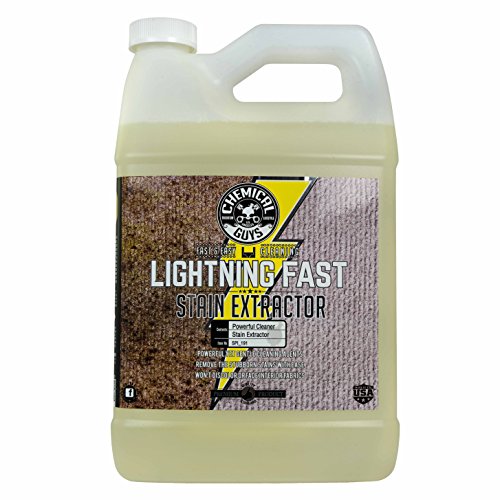
For tackling stubborn stains on synthetic leather surfaces, a simple solution involves combining warm water with a few drops of mild dish soap. Dampen a soft cloth with this mixture and gently wipe the affected area, ensuring not to soak the material. This method effectively removes dirt without damaging the finish.
If a deeper cleanse is needed, create a paste using baking soda and water. Apply it to stains, let it sit for about 15 minutes, then wipe away with a damp cloth. The mild abrasiveness helps lift tougher marks while remaining gentle on the surface.


After addressing the stains, it’s beneficial to maintain the luster of the upholstery. A mixture of equal parts vinegar and water can be used as a routine refresher. Apply it with a clean cloth, and it will not only clean but also help restore the shine and protect against future grime.
Cleaning Procedure for Synthetic Upholstery
I recommend beginning with a soft cloth or sponge dampened with warm water. Avoid saturating the material; instead, gently wipe the surface to lift dust and grime. For tougher stains, a mild detergent mixed with water can be applied. Always test this solution on a hidden area first to ensure compatibility.
Stain Removal Techniques
For specific blemishes like ink or grease, utilize the following methods:
| Stain Type | Recommended Treatment |
|---|---|
| Ink | Dab with rubbing alcohol using a cotton swab. |
| Grease | Sprinkle baking soda to absorb, then wipe with a damp cloth. |
| Food | Mix vinegar and water, apply, then wipe clean with a damp cloth. |
| Water Marks | Use a solution of equal parts vinegar and water, lightly scrub. |
Maintenance Tips
<p.Regularly vacuum using an upholstery attachment to prevent dirt buildup. Additionally, using a protective spray designed for synthetic textiles can enhance longevity. Ensure that the item is kept away from direct sunlight to avoid fading.
Assessing the Condition of Your Naugahyde Furniture
Examine the surface for scratches or scuffs. Use a bright light to identify areas that might need attention, as some imperfections can be subtle.
Check for stains or discoloration. Different cleaning agents may be needed for specific types of marks. A dab of water should help determine if it’s a surface stain or something deeper.
Inspect seams and stitching. Look for fraying or loose threads that could lead to further damage. This is crucial for maintaining durability.
Feel the texture. It should be smooth and pliable. If the material feels sticky or tacky, it might be deteriorating, indicating a need for immediate care.
Assess the cushioning underneath. Press down on different areas to see if the support feels consistent. If any areas are too soft or have lost shape, this could affect overall comfort.
Consider any odors. A musty smell might indicate mold or mildew, requiring specialized treatment to prevent further issues.
Finally, take a step back and assess the overall appearance. Does it still complement your space? If it looks dated or worn, it might be time for an update or professional consultation.
Gathering Necessary Cleaning Supplies
Begin with gathering the following items to ensure a successful maintenance session:
- Soft cloths or microfiber towels for dusting and wiping surfaces without scratching.
- A gentle, pH-balanced soap or detergent suitable for synthetic materials to avoid damage.
- Distilled water for mixing with cleaning solutions, preventing mineral streaks.
- A soft-bristle brush for tackling stubborn dirt in crevices.
- White vinegar, effective for deodorizing and removing stains without harsh chemicals.
- Spray bottle for easy application of cleaning solutions.
- Protective gloves to shield hands from cleaning agents and prevent moisture contact.
- Optional: A commercial cleaner specifically formulated for synthetic upholstery, if preferred.
Having these supplies ready will streamline the process and enhance results.
Testing Cleaning Solutions on a Small Area
Before applying any product broadly, I recommend testing it on a discreet area. This ensures the solution won’t cause discoloration or damage.
Steps for Effective Testing
- Choose an inconspicuous section of the material, such as the back or bottom edge.
- Apply a small amount of the cleaning solution with a soft cloth.
- Gently rub the area in a circular motion, ensuring not to oversaturate.
- Wait up to 15 minutes to observe any reactions, such as fading or swelling.
- If no adverse effects occur, proceed with confidence to clean the larger visible spaces.
Observing Results
- If the material remains unchanged, the product is likely safe to use.
- Discoloration or damage indicates that the solution may be too harsh.
- In case of a negative reaction, consider diluting the cleaner or selecting an alternative.
Being cautious during this step prevents potential mishaps and preserves the integrity of the upholstery.
Removing Surface Dust and Debris
I recommend using a soft, dry microfiber cloth for the initial dusting. This type of cloth effectively captures particles without scratching the surface. Start at one end and work your way to the other, ensuring you cover all areas, including crevices and seams where dust accumulates.
If the debris includes larger particles or sticky residues, a slightly dampened cloth can be utilized. Lightly mist the cloth with water or a mild cleaning solution before wiping the surface. Avoid saturating the fabric to prevent moisture damage.
For those hard-to-reach spots, consider using a small, soft brush or a vacuum with a brush attachment. This method allows for thorough cleaning without the risk of scratching. Ensure the vacuum is set to a low suction setting to avoid damaging the material.
After dusting, it’s wise to follow up with a dry cloth to pick up any remaining particles. This will leave the surface looking pristine without residue or streaks.
Spot Cleaning Stains from Naugahyde
To tackle stains effectively, act quickly. Start by identifying the type of stain present, as this dictates the best method to use. Use a clean, white cloth or sponge to avoid color transfer.
Steps to Spot Clean
- Blot the stain gently with a cloth to absorb excess liquid; avoid rubbing.
- For food or drink spills, mix mild soap with warm water and dampen a cloth, then dab the stained area.
- For oil-based stains, apply a small amount of baking soda directly on the spot. Let it sit for a few minutes to absorb the oil, then wipe away with a damp cloth.
- For ink or marker marks, use isopropyl alcohol applied on a cotton ball. Test on an inconspicuous area first to ensure it doesn’t damage the surface.
Final Steps
After treatment, rinse the area with a clean, damp cloth to remove any soap or cleaner residue. Then dry thoroughly with a soft towel. If the stain persists, consider using a specialized vinyl cleaner, but always test first in a hidden spot.
Deep Cleaning Techniques for Naugahyde Furniture
I recommend using a steam cleaner or a fabric-specific cleaner for deeper stains and embedded dirt. Begin by vacuuming the surface to eliminate loose debris. With a steam cleaner, I apply the steam carefully across the material, allowing the heat to penetrate and loosen grime. Always maintain a safe distance to avoid overheating the surface.
If opting for a fabric cleaner, I dampen a microfiber cloth and apply a small amount of the solution, working it gently into any stained areas. Circular motions help lift the dirt without damaging the finish. After applying the cleaner, I use a clean damp cloth to remove residues and follow with a drying cloth to maintain the texture and appearance.
<p.For mildew or stubborn stains, a mixture of equal parts water and white vinegar can be effective. I dab this solution onto the affected area with a soft cloth, allowing it to sit briefly before wiping it away to prevent moisture damage.
After deeper cleaning, I ensure that the surface is completely dry. Leaving moisture can lead to potential mold growth, so I recommend using a fan or allowing natural air circulation to speed up the drying process. This not only preserves the appearance but also extends the lifespan of the seating.
Drying and Conditioning Naugahyde After Cleaning
After washing any synthetic upholstery material, ensuring it dries thoroughly is vital. I prefer using a soft, absorbent cloth to pat down excess moisture. Avoid harsh rubbing, as it may damage the surface. For quicker drying, open windows or turn on fans, ensuring proper air circulation.
Conditioning the Surface
Once completely dry, I apply a dedicated conditioning product specifically formulated for synthetic leather alternatives. Applying a small amount with a soft cloth helps maintain flexibility and prevents cracking. It’s best to follow the manufacturer’s instructions regarding application frequency.
Final Touches
Lastly, I gently buff the surface with a clean, dry cloth to restore some shine. Regular maintenance, including conditioning every few months, keeps the material looking fresh and extends its lifespan.
Maintaining Naugahyde Furniture for Longevity
I recommend regularly inspecting the surfaces for signs of wear or damage. This proactive approach helps catch issues before they escalate. Ensure any scratches or scuffs are addressed immediately to prevent further degradation.
To prolong the life of these surfaces, consider applying a protectant designed for synthetic materials. This can help guard against fading from sunlight, while also providing a barrier against moisture damage.
Routine Maintenance Tips
Dust surfaces weekly with a soft, lint-free cloth. This simple task keeps dirt from settling in and causing potential stains. If spills occur, absorb them promptly using a clean cloth, ensuring to blot rather than rub.
Annual Care Protocols
Once a year, conduct a deep inspection and thorough cleaning. Utilize a mild soap solution for this process, ensuring to rinse off any excess soap with a damp cloth. Following this, apply a conditioner made for synthetic materials to maintain flexibility and prevent cracking.
| Task | Frequency |
|---|---|
| Surface Dusting | Weekly |
| Spill Management | As Needed |
| Deep Inspection and Cleaning | Annually |
| Conditioner Application | Annually |
Always store these items away from direct sunlight to avoid fading. Using a breathable cover can also provide added protection, while ensuring proper air circulation. By adhering to these practices, I find that the longevity of the pieces significantly improves.


