
 Caleb Turner
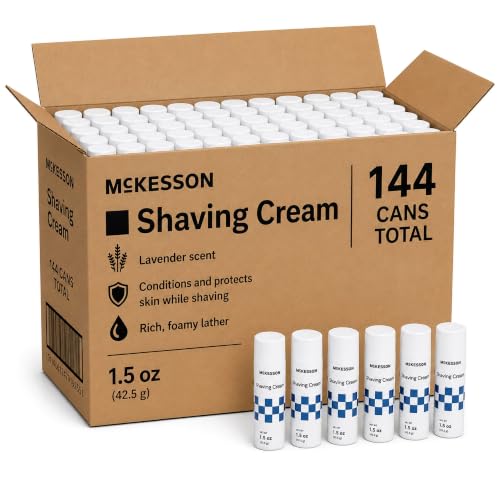
To achieve a spotless appearance on various surfaces, I recommend applying a small amount of the foamy substance directly onto the area that needs attention. Gently rub it in using a soft cloth or sponge, ensuring even coverage. This method not only removes dirt but also provides a subtle shine.
For tougher stains, allow the mousse to sit for a few minutes before wiping it off. This allows the active ingredients to penetrate and lift blemishes. Rinsing the area with a damp cloth afterward ensures a fresh finish without any residue.
In my experience, this technique works exceptionally well on materials like wood and upholstery. Always test a hidden spot first to avoid any unwanted reactions. Maintaining the beauty of your belongings becomes a hassle-free task with this simple approach.


Cleaning Upholstery Using Foam Product
I recommend applying the foam directly onto the stained area. It’s important to use a modest amount; a dollop about the size of a quarter works well. Then, using a clean, soft cloth, gently dab the foam into the fabric. Avoid rubbing, as this can worsen the stain.
Recommended Steps
| Step | Description |
|---|---|
| 1 | Apply the foam on the mark. |
| 2 | Gently blot with a soft cloth. |
| 3 | Let it sit for a few minutes to penetrate. |
| 4 | Remove excess residue with a damp cloth. |
| 5 | Allow the area to air dry completely. |
Additional Tips
If the stain persists, consider repeating the process. For odors, let the foam sit for an extended period before wiping it away. This method not only addresses stains but also revitalizes the appearance of the material.
Choosing the Right Shaving Cream for Cleaning
For this task, I prefer products that are gel-based rather than aerosol. Gel formulations tend to be less messy and often contain fewer harsh chemicals. Look for options that are free from strong fragrances and dyes, as these can leave unwanted residues.
Ingredients to Consider
Opt for creams with moisturizing agents like glycerin or aloe vera. These not only help lift dirt but also condition surfaces, making maintenance easier. Avoid any products labeled as “sensitive” or designed for oily skin since they may contain added oils that could leave a greasy finish.
Fragrance and Sensitivity
Choosing a fragrance-free formula is beneficial, particularly for those concerned about allergic reactions or odors lingering on surfaces. Testing a small patch can gauge how a product reacts with your specific materials. Always go for a brand I can trust for quality and safety.
Preparing Your Furniture for Cleaning
Clear the area around the items to create an unobstructed workspace. Remove any decorative pieces, books, or personal belongings from the surfaces you plan to treat. This not only prevents accidental damage but also ensures a thorough application.
Inspect the surfaces carefully. Check for stains, scratches, or any specific areas requiring attention. Knowing the condition helps in determining the necessary approach, ensuring I address the most urgent needs first.
Decide on the tools I’ll need. A microfiber cloth is essential for a gentle application, providing the best balance between softness and effectiveness. Additionally, it’s wise to gather a soft-bristled brush to reach into crevices or tight spaces where dust accumulates.
Conduct a spot test if unsure about reactions. Choose a small, inconspicuous area and apply the chosen method lightly. Waiting a few minutes will reveal if any adverse effects occur on the surface. This step enhances confidence in the cleaning procedure.
| Step | Description |
|---|---|
| Clear Area | Remove all items from the surface to avoid accidents. |
| Inspect Surfaces | Examine for any specific areas needing extra attention. |
| Gather Tools | Prepare microfiber cloths and soft brushes for use. |
| Spot Test | Test in a hidden area to check for adverse reactions. |
Finally, ensure the environment is suitable for applying treatments. A well-lit space allows for better visibility and enhances precision during the process. Adequate ventilation also promotes a safe atmosphere, especially if any strong scents or chemicals are involved.
Applying Shaving Cream on Different Surfaces
For optimal results, I adapted my application technique based on the material’s texture and durability.
Wood: I use a small amount to minimize excess. Gently massage in circular motions, then wipe off with a soft cloth. This keeps the finish intact and boosts shine.
Fabric: Test in an inconspicuous area first. I apply a thin layer, allowing it to sit briefly before blotting with a damp cloth. This approach effectively tackles spots while preserving fabric integrity.
Leather: I prefer a tiny dab, rubbing gently with a microfiber cloth. Quick wipe-off is essential to avoid moisture damage, ensuring the leather stays supple.
Glass: A small amount works wonders. I apply it directly to the surface, buffing until streak-free for crystal-clear results. It also acts as a mild anti-fog remedy.
Plastic: Using a cotton ball to apply the product helps in reaching crevices. The softness of the cotton prevents scratching while ensuring thorough removal of grime.
Metal: A little goes a long way here. I use an applicator pad to spread evenly. Quick buffing restores the shine without leaving residue, perfect for appliances.
By tailoring each application to the surface type, I achieve great results without the risk of damage. Always remember to test first and adjust as needed!
Techniques for Scrubbing Furniture with Shaving Cream
I apply a small amount of the foam directly onto a microfiber cloth. This fabric effectively traps dirt and grime. I prefer to use circular motions when rubbing the solution into the surfaces. This method ensures thorough penetration into crevices and textured areas.
For stubborn stains, I let the lather sit for a few minutes before agitation. This allows the active ingredients to break down the residue. Afterward, I gently scrub until the mark begins to lift. A bit of pressure might be needed, but not excessive to avoid damaging the finish.
After scrubbing, I take a clean, damp cloth to wipe away any residue. It’s important to ensure that all remnants are removed, as leftover lather can attract dirt later. A final dry cloth buff enhances the shine, giving surfaces a refreshed look.
When tackling intricate designs or carvings, I utilize an old toothbrush. The bristles reach into detailed areas where cloth may struggle. I ensure delicate scrubbing to avoid scratching the material.
For glossy finishes, a little more caution is warranted. I use less product and focus on lighter touches, preserving the shine while erasing smudges. The key is to be attentive and adapt the approach based on surface texture.
Removing Stains and Marks Using Shaving Cream
I’ve discovered that this versatile product works wonders on various surfaces, especially for tackling stubborn blemishes. For ink stains, apply a generous amount on the area and gently dab with a clean cloth. The alcohol in the formulation helps to dissolve the ink. After letting it sit for a few minutes, wipe away with a damp cloth.
Dealing with Water Spots
For pesky watermarks, I use a small dollop, spreading it evenly over the affected area. I let it rest for about ten minutes for better penetration. A gentle buffing with a soft cloth afterward makes a significant difference, restoring the surface’s shine.
Erasing Scuff Marks
To tackle scuff marks, rubbing the area gently with a cloth coated in cream often yields impressive results. The foam lifts the mark, allowing for easy removal without abrasive scrubbing. I find it effective to go in circular motions for best outcomes.
This approach leaves surfaces looking fresh and revitalized, proving that sometimes, simple solutions can be incredibly effective for maintaining the appearance of your possessions.
Duration for Application of Shaving Foam on Surfaces
Leave the foam on surfaces for approximately 10 to 15 minutes. This allows ample time for the product to penetrate grime and stains. Adjust timing based on the severity of the marks; for stubborn spots, extending the waiting period to 20 minutes may yield better results.
Factors Influencing Time
- Type of Stain: For light smudges, 10 minutes suffices. Tougher marks might require longer exposure.
- Material Composition: Delicate materials like wood may need shorter intervals to avoid potential damage.
- Environmental Conditions: Humidity and temperature can affect drying time, potentially influencing the required duration.
Test Patch Recommendation
Before applying widely, conduct a small patch test in an inconspicuous area. This ensures compatibility and prevents adverse reactions. Wait the same recommended time to observe any negative effects.
Effectively Wiping Off Shaving Cream Residue
For optimal removal of leftover product, utilize a soft, damp microfiber cloth. Begin by lightly wiping the surface, ensuring even distribution of moisture to avoid streaks. Rinse the cloth regularly to prevent redistributing the residue.
Final Rinse
After initial wiping, take a fresh, damp cloth to perform a final rinse. This step ensures any remaining traces are eliminated. If needed, a small amount of mild liquid soap can be added to the cloth for extra cleaning power. Always follow up with a dry, clean cloth to prevent water spots.
Testing on Hidden Areas
Before applying any techniques extensively, test in inconspicuous spots to verify compatibility with the surface. This precaution helps avoid damage while ensuring the chosen method is suitable for the material.
Polishing After Using Shaving Gel
To enhance the shine of surfaces post-application of gel, I recommend utilizing a soft microfiber cloth. Gently buff the area, moving in circular motions to avoid streaks. This technique ensures that the luster is evenly distributed without damaging the finish.
A blend of natural oils, such as olive or coconut, can also be applied for a deeper shine. Just a few drops on the cloth will suffice. Be cautious not to saturate the fabric, and always test in an inconspicuous spot first.
For specific materials like wood, a dedicated wood polish can be incorporated after the initial shine has been achieved. Apply sparingly, then wipe with a fresh cloth to layer protective elements and enhance the appearance.
Regular maintenance plays a crucial role; I find it helpful to repeat the buffing process every few weeks to keep surfaces looking their best. Additionally, keep surfaces free from dust and debris between polishings, as this preserves their integrity and shine.
Safety Tips When Using Shaving Cream for Cleaning
Always test a small, inconspicuous area to ensure that the surface won’t be damaged or discolored by the product.
Keep the workspace well-ventilated. Some brands contain fragrances or chemicals that could be overwhelming in closed spaces.
Protect Yourself
- Wear gloves to prevent skin irritation, especially if you have sensitive skin or allergies.
- Consider using goggles if you are working on surfaces that might splash back or create residue in your eyes.
Choose the Right Environment
- Avoid high humidity areas, which can affect the effectiveness of the product.
- Ensure the area is free from direct sunlight to prevent premature drying.
Keep children and pets away during the cleaning process to minimize any potential accidents or exposure to substances.
After application, wash your hands thoroughly after handling and use proper disposal methods for any leftover product.


