
 Caleb Turner

Regular dusting with a soft, dry cloth is paramount for maintaining the aesthetic of your rattan items. Aim to incorporate this practice weekly to prevent dirt buildup. For deeper cleaning, a damp cloth with a small amount of mild detergent can be utilized, but ensure you follow up with a dry cloth to remove excess moisture.
To protect against fading and damage from sunlight, position these pieces away from direct sunlight. If your rattan has a protective coating, re-apply it every year or as needed based on wear and exposure. This step is crucial for prolonging the lifespan of your beloved items.
In case of spills, act quickly by blotting the area with a soft cloth instead of rubbing, which could cause further damage. For tougher stains, mixing water with a vinegar solution often proves effective. Allow the area to dry completely, avoiding any direct heat sources.


Periodic inspections for any signs of wear, such as loose strands or fraying, will help in addressing small issues before they escalate. When necessary, use a strong adhesive to secure any loose fibers, ensuring that your cherished items remain in top condition.
Maintenance Recommendations for Wicker Items
I recommend regular dusting with a soft, dry cloth to prevent dirt accumulation. For stubborn stains, a mixture of mild soap and water works wonders. Apply the solution with a damp cloth, then wipe with a dry one to remove any excess moisture. Avoid harsh cleaners that can damage the fibers.
Protection Against the Elements
Positioning these pieces away from direct sunlight extends their lifespan, as UV rays can cause discoloration. If used outdoors, consider a protective cover during inclement weather. Sunlight exposure can lead to drying and cracking, so alternative locations indoors can mitigate this risk.
Storage Tips
When not in use, store these items in a dry environment. A well-ventilated space prevents mold and mildew growth. Ensure that the area is free from excessive humidity; dehumidifiers can help maintain optimal conditions.
| Action | Frequency |
|---|---|
| Dusting | Weekly |
| Deep Cleaning | Monthly |
| Protection Cover Use | As needed |
Understanding the Properties of Willow Wood
Treat the wood with respect due to its lightweight nature, making it easy to maneuver but vulnerable to damage. Ensure to keep the material dry to prevent warping and decay; excessive moisture can lead to structural issues. Utilize a soft, damp cloth for cleaning, avoiding harsh chemicals that can strip the finish.
Maintain the aesthetics by applying a suitable preservative or natural oil periodically. This will enhance the grain and provide additional protection against wear. Be cautious with direct sunlight exposure; prolonged exposure can cause fading and drying. Using a UV-protective finish is beneficial if the piece will be in bright areas.
Store items in a climate-controlled space. Rapid temperature changes can lead to cracking. Small repairs can often be done with wood glue if cracks appear; however, if significant damage occurs, consulting a specialist is wise. Embrace its natural variations; they add character and uniqueness to each piece.
Lastly, rotate or change the position of items placed on the surface to avoid localized indentations. Keep it practical and beautiful by being attentive to its distinct needs.
Cleaning Techniques for Willow Furniture
Dust particles accumulate quickly. I use a soft, dry cloth to wipe surfaces regularly, ensuring I don’t scratch the delicate weave. For stubborn spots, I mix mild soap with water and dampen a cloth before gently scrubbing. It’s crucial to avoid soaking the material, as excess moisture can warp the fibers.
When tackling stains, I opt for a gentle approach. A mixture of vinegar and water applied with a soft cloth helps lift marks without damaging the finish. After removing the stain, I always dry the area thoroughly with a clean, dry cloth to prevent moisture retention.
To maintain the natural tones, I occasionally apply furniture polish specifically designed for natural materials. This not only restores shine but also provides a protective layer against dust and spills. Following the manufacturer’s instructions ensures optimal results without over-application.
Outside, I avoid direct sunlight to prevent fading. When it rains, I quickly dry off any excess water with a soft towel to keep moisture levels in check. Regular checks for mold or mildew in humid environments can save from bigger issues later.
Seasonally, a thorough cleaning session helps maintain the appearance. I move pieces outdoors to vacuum or shake out dust, making it easier to reach hidden crevices. I finish with a light buff using a cloth to bring back the original luster.
Protecting Willow Furniture from Moisture
To safeguard your rattan creations against moisture, it’s crucial to keep them dry. I recommend using coasters under glasses and plates to prevent spills directly on the surface. Additionally, maintain a consistent indoor humidity level of around 40-60% to deter any potential warping or mold.
Moisture Absorption and Reduction
When cleaning, I prefer damp cloths over wet ones, ensuring not to soak the material. After every clean, I allow the surface to air dry thoroughly before placing items back on. If you live in a humid environment, consider using a dehumidifier to control moisture levels in your home.
Protective Treatments
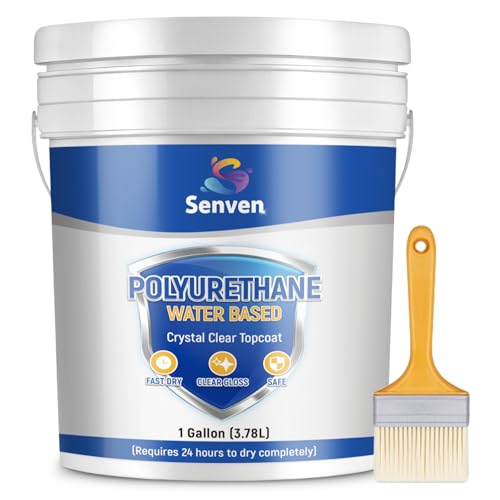
Applying a protective sealant helps counteract moisture intrusion. Choose a water-based polyurethane or a specific sealant designed for wicker goods. Apply it according to the manufacturer’s directions, ensuring uniform coverage, and reapply annually for ongoing protection.
| Moisture Control Method | Description |
|---|---|
| Use Coasters | Prevents spills from damaging surfaces. |
| Regular Air Drying | Ensures that cleaning does not leave excess moisture behind. |
| Sealant Application | Forms a barrier against water and humidity. |
| Humidity Control | Maintains an ideal indoor environment to prevent moisture issues. |
By implementing these strategies, the longevity of your woven pieces can be assured, while maintaining their beauty and integrity. Regular monitoring for signs of moisture will enable timely action, preserving the quality of your items for years to come.
Applying Finishes to Enhance Durability
Using a protective finish significantly increases the lifespan of your wicker pieces. Consider applying a clear varnish or a wood sealant specifically designed for natural fibers. These products provide a barrier against scratches and moisture, preventing damage over time.
Types of Finishes
Choose between oil-based and water-based finishes. Oil-based products penetrate deeper, enhancing the natural grain; however, they take longer to dry. Water-based finishes dry faster and have lower toxicity, making them a safer option for indoor spaces.
Application Process
Before applying any finish, ensure the surface is clean and free from dust. Lightly sand the item with fine-grit sandpaper to promote adhesion. Apply the finish with a brush or cloth, following the grain direction. Allow adequate drying time, typically 24 hours between coats, for optimal results.
Identifying and Treating Scratches
Examine the surface closely to locate any marks or abrasions. Use a magnifying glass if needed. Different severity levels of scratches require various approaches for repair:
- Light Scratches: For minor blemishes, rub a soft cloth with a small amount of natural oil, such as olive or mineral oil, over the scratch. This can help camouflage the damage.
- Moderate Scratches: Apply a wood conditioner that matches the finish of the piece. Use a fine-grade sanding sponge to blend the area gently, and then treat it with the appropriate lacquer or sealant.
- Deep Scratches: For more significant marks, consider filling the scratch with a wood filler or wax crayon that matches the finish. After filling, sand the area lightly and polish it to restore its original shine.
Tools Needed
- Soft cloths
- Natural oils (olive, mineral)
- Wood conditioner
- Fine-grade sanding sponge
- Wood filler or wax crayon
- Lacquer or sealant
Regularly inspect the surfaces and address any scratches promptly to maintain the aesthetic quality and prolong the life of the item.
Seasonal Care Tips for Willow Furniture
I recommend applying a protective sealant during spring to create a barrier against moisture. Follow by ensuring that your pieces are positioned away from direct sunlight, which can cause fading during the summer months.
As autumn arrives, conduct an inspection for any cracks or scratches. Address these promptly with appropriate fillers to maintain the integrity of the weave before winter sets in.
In winter, maintain indoor humidity levels between 30-50% to prevent drying and cracking. Consider using a humidifier if the air is particularly dry, especially in heated spaces.
Regularly dust your items throughout the year with a soft cloth to prevent the accumulation of dirt and debris, ensuring a clean and well-maintained appearance. This simple act enhances the aesthetic and longevity of the pieces.
Finally, during seasonal transitions, rotate any cushions or throws regularly to ensure even wear and avoid localized fading or damage, preserving the overall look and feel of your decor.
Best Practices for Storing Willow Furniture
Ensure items are stored indoors in a climate-controlled area. Avoid basements or attics that experience extreme temperature fluctuations.
Before placing any pieces in storage, clean them thoroughly. Use a soft, damp cloth to remove dust and dirt, followed by a dry cloth to avoid moisture accumulation.
Utilize breathable covers made of cotton or linen to shield against dust while allowing air circulation. Plastic covers can trap moisture and lead to mold.
Place all items on wooden pallets or blocks rather than directly on the ground. This prevents water damage from potential flooding or spills.
Avoid overcrowding; ensure adequate space between pieces to prevent scratches and dents. Consider using dividers or padded protectors where necessary.
Regularly check stored items for signs of pests or damage. Early detection allows for timely remediation.
If possible, disassemble larger items to minimize space and reduce the risk of damage. Label each piece for easy reassembly.
- Maintain consistent humidity levels between 30-50% for optimal preservation.
- Avoid direct sunlight exposure; prolonged light can cause fading and warping.
- Rotate items every few months to ensure even weight distribution and prevent deformation.
Following these guidelines will help in maintaining the integrity of your natural materials during storage.
Restoration Methods for Worn Willow Pieces
Repairing damaged or worn natural material items involves several steps to revive their original charm. Start with a thorough cleaning using a soft damp cloth to remove dust and dirt.
Repairs for Structural Integrity
- Utilize wood glue for re-joining loose sections. Apply the adhesive carefully, ensuring a tight fit, and clamp until dry.
- Use bamboo or wicker splints to reinforce areas with significant wear. Cut the splints to size and attach them using glue or nails.
Surface Restoration Techniques
- For scratches, gently sand the affected area with fine-grit sandpaper, then refinish using a matching stain or sealant.
- For larger blemishes, consider applying a wood filler that matches the hue of your piece before sanding. Once dry, proceed with finishing.
- Reapply a protective finish to restore luster. Choose a natural oil or varnish suitable for porous materials, and apply it evenly across the surface.
Regular maintenance, such as tightening connections and inspecting for damage, can prolong the life of your cherished pieces.


