Caleb Turner

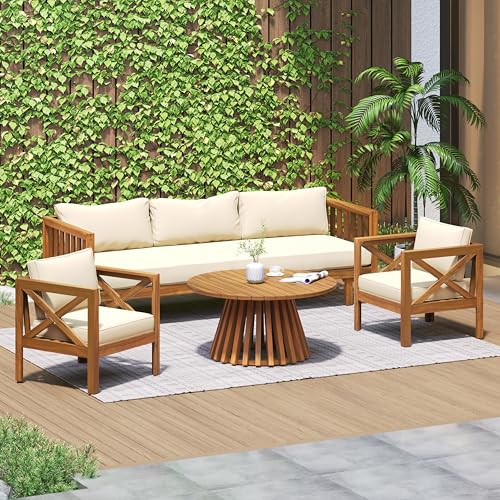
Regularly applying a high-quality oil specifically designed for dense species can dramatically enhance the appearance and longevity of your pieces. I personally recommend using a product that contains UV inhibitors to protect against the harsh effects of sunlight, preventing fading and maintaining the rich color of your items.
To combat dirt and stains, I suggest using a mild soap solution and a soft cloth. Gently wipe the surface, making sure not to soak the material, as excess moisture can lead to warping. This simple cleaning routine, done periodically, will keep surfaces looking pristine without damaging the fibers.


Seasonally, it’s beneficial to inspect joints for any signs of wear and tear. Tightening screws or re-gluing parts can prevent more significant issues down the line. Storing pieces in a climate-controlled area will also mitigate risks associated with temperature and humidity fluctuations, ensuring that your treasured items retain their structural integrity.
Maintenance Tips for Ipe Wood Pieces
Regularly applying a protective finish enhances durability and retains the natural look. Use a high-quality, UV-resistant oil specifically formulated for exotic timbers.
Cleansing involves mild soap mixed with lukewarm water and a soft cloth. I avoid harsh chemicals that might strip oils and dull the grain.
To maintain appearance, I recommend light sanding with fine-grit paper if the surface feels rough; this removes grey oxidation without compromising integrity.
Limit exposure to direct sunlight to prevent fading. Utilizing an outdoor umbrella or repositioning items reduces sun damage.
For those living in humid areas, applying a water-repellent treatment helps to prevent moisture absorption and potential warping.
Storing items off the ground on raised platforms can protect from excessive moisture and pest infiltration, enhancing longevity.
Inspecting for signs of damage periodically has been beneficial. Early detection allows for easy repairs before more extensive work is needed.
Consider using coasters or placemats to prevent scratches and heat damage from hot items. This small step has saved my pieces from unsightly marks.
Understanding the Unique Properties of Ipe Wood
It is critical to acknowledge the remarkable density and hardness of this material, which enhances its durability and weather resistance. With a Janka hardness rating exceeding 3600, it stands out among various species, making it significantly resistant to scratches and dents.
The natural oils within the grain provide protection against mold, mildew, and insect infestations. These attributes minimize maintenance needs while ensuring longevity even in adverse environmental conditions.
Color variations add to its aesthetic appeal, ranging from rich browns to deep reds, which can evolve over time, creating a beautiful silver patina if left untreated. Regular treatments with oils can preserve its vibrant hue, allowing personal style to shine through.
Temperature stability is another key feature; this type is less prone to warping or splitting compared to lighter varieties. This stability makes woodworking projects reliable, particularly for outdoor applications.
Lastly, sustainability is paramount; the sourcing of this species should be from responsible suppliers. Ensuring that the timber is harvested in an eco-friendly manner contributes to preserving our forests for future generations.
Best Cleaning Techniques for Ipe Wood Surfaces
The most effective method for maintaining these surfaces involves a simple blend of mild soap and warm water. I recommend using a soft cloth or sponge for application to avoid scratching the surface.
Follow these steps for optimal results:
- Mix a few drops of mild, biodegradable soap in a bucket of warm water.
- Dip the cloth or sponge into the soapy solution, wringing out excess liquid.
- Gently wipe down the surface in the direction of the grain.
- Rinse the cloth frequently to avoid buildup on the surface.
- Once cleaned, use a damp cloth to remove any soap residue.
- Finally, dry the furniture thoroughly with a separate, clean cloth.
Stains or mildew can pose a challenge. For tougher marks, a mixture of equal parts vinegar and water serves as an excellent natural cleaner. Apply it with a soft brush or cloth, scrubbing lightly until the stain lifts.
For maintenance of natural color, periodically use a specialized hardwood cleaner designed for dense materials. Follow the manufacturer’s instructions closely to prevent damage.
Avoid harsh chemicals or abrasive cleaners, as they can compromise the integrity of the finish and lead to premature aging. Regular care will keep the appearance fresh while allowing the rich tones of the grain to shine through.
Applying Oils and Finishes for Long-lasting Protection
Periodically applying oil is crucial to maintain the integrity of this dense material. I recommend using a high-quality, penetrating oil specifically formulated for hardwoods. Start with a clean surface; ensure it’s free of dirt and grime before application.
Choosing the Right Product
Select an oil that contains UV inhibitors to combat sun damage. Tung oil or Danish oil are excellent choices, providing a natural finish that enhances the grain while protecting against moisture. Avoid synthetic finishes as they may cause peeling over time.
Application Process
Using a clean, lint-free cloth, apply a liberal amount of oil evenly across the surface, following the wood grain. Allow the oil to penetrate for at least 15-30 minutes, then wipe off any excess to prevent a sticky residue. After the first coat dries, consider applying a second coat for added protection. Keep in mind that reapplication should occur every six months to a year, depending on exposure to the elements.
Dealing with Weather Exposure on Outdoor Ipe Furniture
To maintain the appearance and longevity of outdoor pieces crafted from this durable hardwood, regularly ensure they are shielded from extreme weather conditions. During heavy rain or intense sunlight, consider using protective covers or moving them to a shaded area. This approach minimizes the exposure to moisture and UV rays, which can lead to discoloration or warping over time.
After prolonged exposure, check for signs of fading or graying. If the surface shows these symptoms, a gentle cleaning with a soft brush and a mixture of water and mild soap can refresh its appearance. Avoid abrasive tools as they may scratch the finish.
In regions with high humidity or temperature fluctuations, apply a sealant specifically designed for hardwoods. This layer not only protects against moisture penetration but also helps to maintain the original color. Regularly reapply this treatment every 6 to 12 months, depending on the climate.
For snowy and icy environments, promptly remove any accumulated snow or ice to prevent moisture retention. Use a plastic shovel to avoid dents or scratches on the surface. After winter, inspect for any damages and address them immediately to prevent further deterioration.
| Condition | Recommendation |
|---|---|
| Heavy Rain | Use protective covers or move to a sheltered area |
| Intense Sunlight | Apply a UV-resistant sealant every 6-12 months |
| Snow/Ice Accumulation | Remove snow/ice promptly with a plastic shovel |
| Fading/Graying | Clean with mild soap and water; consider re-oiling |
Repairing Scratches and Damage on Ipe Wood
Begin with assessing the depth of the scratch. For minor surface scratches, gently rub the area with fine-grit sandpaper (220 grit) using a circular motion. After sanding, wipe away dust with a damp cloth.
If the scratch is deeper, follow these steps:
- Clean the area with a mild detergent to remove any debris or oils.
- Apply a wood filler that matches the color of your timber. Use a putty knife to smooth the filler into the scratch.
- Allow the filler to dry completely as per the manufacturer’s instructions.
- Once dry, sand the area with fine-grit sandpaper until smooth, ensuring it is level with the surrounding surface.
- Finish by applying an appropriate oil or sealer to restore the shine and protect the area.
For larger damages, like deep dents or gouges, consider the following approach:
- Use a steam method by placing a damp cloth over the dent, then applying heat with an iron. This can cause the wood fibers to swell back into place.
- If steaming doesn’t work, you may need to fill the dent with a mix of sawdust from sanding and wood glue. Shape it to match the surrounding surface once it’s dry.
- Sand down and apply a finish, just as with smaller scratches.
Always test any repair materials in an inconspicuous area before applying them to a visible location. Regular upkeep will help maintain the beauty of your timber and can minimize the visibility of any imperfections over time.
Seasonal Maintenance Tips for Ipe Furniture
Begin each season by inspecting for cracks or splits. I apply a specialized outdoor sealant to any affected areas to prevent further damage.
In spring, it’s vital to clean surfaces using a mild soap solution. Afterward, rinsing thoroughly ensures no residue remains, which could impact protective coatings.
Summer months may introduce increased humidity. I monitor moisture levels and avoid placing items directly on surfaces to promote air circulation.
As fall approaches, I focus on removing leaves and debris. Accumulation can trap moisture, leading to mold growth. Regular clearing guarantees longevity.
During winter, I ensure furniture is sheltered from extreme temperatures. If possible, I store pieces in a climate-controlled area to prevent warping.
Every season, I re-evaluate the protective finish. If it appears worn, a light sanding followed by reapplication of an appropriate outdoor oil helps in maintaining its integrity.
Choosing the Right Location for Indoor Ipe Furniture
Positioning this unique material requires careful thought. Avoid areas with high humidity or direct sunlight, as these can impact its appearance and integrity. Opt for a climate-controlled environment to maintain its stunning natural color and durability.
Place pieces away from heat sources such as radiators or air vents, which can cause the material to dry out and potentially warp. Ventilation is key; a well-ventilated room helps prevent moisture buildup without exposing the surface to harsh conditions.
Consider accessibility for cleaning and maintenance. Ensure that surfaces are easily reachable to maintain their luster without straining. Arranging items thoughtfully will enhance the overall aesthetic while ensuring longevity.
Take into account the existing décor and lighting in the space. A contrasting color scheme enhances the natural beauty of the material, while appropriate lighting can highlight its rich grain and texture.
Finally, check the stability of the flooring. A level surface prevents unnecessary stress on joints and legs, reducing the risk of damage over time.
Finding Quality Products Specifically for Ipe Care
Consider high-quality natural oils such as tung or linseed oil, specifically formulated for dense hardwoods. These oils penetrate deeply, offering moisture protection and enhancing the inherent beauty of the grain. Opt for brands that emphasize sustainability and non-toxic ingredients.
Protective Coatings
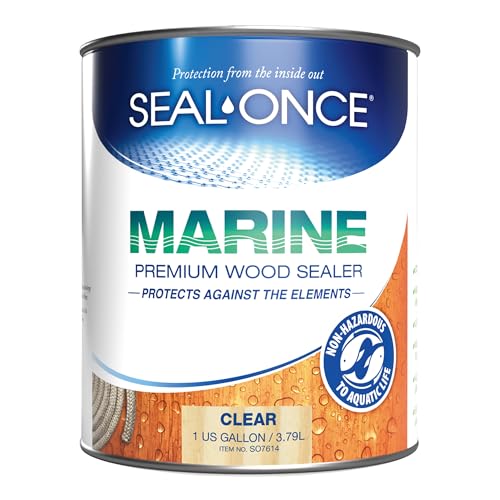
Marine-grade finishes provide excellent resistance to UV rays and moisture. Look for polyurethane or varnish designed for outdoor usage, ensuring durability even in harsh climates. Check for products labeled as ‘anti-fungal’ or ‘mildew resistant’ to prolong the lifespan of your investment.
Specialized Cleaning Supplies
Enzyme-based cleaners are ideal for maintaining surfaces without damaging the natural oils. These formulations break down dirt and stains while being safe for fine furniture. Avoid harsh chemicals that can strip away protective layers. Always test any cleaner in a small, inconspicuous area first.