
 Caleb Turner
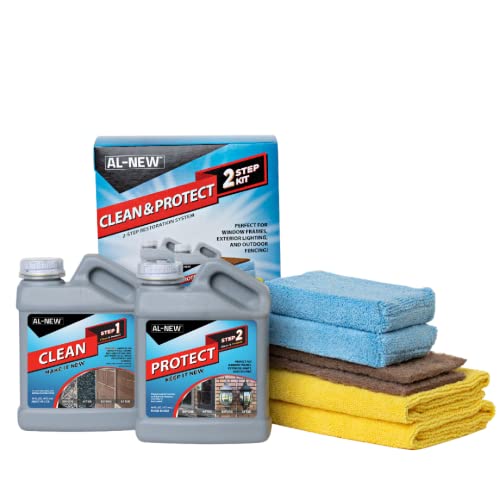
Regular cleaning with mild soap and water will maintain the shine of your patio set. A soft sponge or cloth works best to avoid scratching the surface. Rinse thoroughly to remove any residue that could attract dirt or grime over time.
Applying a protective sealant once a year supports longevity against harsh weather. Choose a product specifically designed for metal surfaces to help prevent oxidation and corrosion. This step can significantly extend the lifespan of your decor.


For stubborn stains or discoloration, a mixture of baking soda and water can be highly effective. Gently scrub the affected area, then rinse and dry thoroughly. Keeping your items dry is key to preventing rust.
Store cushions and fabric components indoors when not in use to protect them from moisture and UV exposure. This practice helps preserve their color and integrity for longer periods.
Maintenance Tips for Metallic Patio Pieces
Regularly inspect your metallic outdoor pieces for any signs of wear or damage, such as scratches or dents. Addressing these issues promptly can prevent more significant problems down the line.
Utilize a solution of warm water and mild soap to scrub the surfaces using a soft cloth or sponge. This method removes dirt and grime while preserving the finish. Avoid abrasive cleaners, as they can lead to scratches.
Protection Against Elements
During harsh weather conditions, consider using covers to shield your items from rain, snow, and sunlight, which can fade colors and cause corrosion over time. When not in use, store them in a sheltered area to minimize exposure.
Restoring Shine and Finish
For restoring brightness, apply a non-toxic polish specifically designed for metal surfaces. Rub it in with a soft cloth using gentle, circular motions. This not only enhances appearance but also adds a layer of protection against stains and oxidation.
Understanding the Benefits of Aluminum Furniture
Durability stands out as a major advantage. Unlike many materials, this type resists rust and corrosion, ensuring that it retains its structural integrity over time, even in harsh weather conditions.
Lightweight Nature
The lightweight characteristic allows for easy rearrangement, making it simple to adapt your space according to your needs or preferences. Moving pieces around for cleaning or social gatherings becomes a hassle-free task.
Low Maintenance Requirements
Maintenance tends to be minimal. Regular wiping with soapy water suffices to keep these surfaces looking fresh. This convenience means more time enjoying your space rather than spending it on upkeep, which can be particularly appealing for busy lifestyles.
Additionally, color retention is remarkable. Many pieces are treated with powder coating, which ensures that vibrant hues remain intact despite prolonged exposure to sunlight.
Lastly, sustainability matters. This material is often recyclable, contributing to a more eco-friendly choice for consumers looking to reduce their carbon footprint while enjoying stylish and functional designs.
Choosing the Right Cleaning Products for Aluminum
I prefer mild, non-abrasive cleaners for maintaining surfaces. A mixture of warm water and a few drops of dish soap works effectively. I ensure to avoid anything acidic or alkaline, as these can damage the finish.
For stubborn stains, a paste made from baking soda and water serves as a gentle abrasive. I apply it with a soft cloth, allowing it to sit for a few minutes before rinsing thoroughly.
When I encounter mold or mildew, a solution of vinegar and water proves beneficial. I mix one part vinegar with three parts water, spray it on the affected area, and wipe it clean after a short wait.
For regular maintenance, I opt for specialized aluminum cleaners designed to preserve the shine without causing harm to the surface. These products often contain protective agents to prevent oxidation.
I avoid using harsh chemicals, bleach, or abrasive pads, which can scratch or damage the material. Reading labels and following manufacturer recommendations is a step I always take.
Lastly, I ensure to rinse thoroughly after cleaning to remove any residues that might lead to streaking or discoloration.
Step-by-Step Guide to Cleaning Aluminum Products
Begin with a thorough rinse using a garden hose to remove loose dirt. This initial step prevents grime from scratching surfaces during scrubbing.
Preparation of Cleaning Solution
Combine warm water and a gentle dish soap in a bucket. Avoid abrasive cleaners that can damage the finish. For tough stains, add a known mild cleaner suitable for metals.
Cleaning Technique
Use a soft-bristle brush or a microfiber cloth. Dip it into the cleaning solution, then scrub with circular motions, focusing on stained areas. Rinse frequently to avoid soap buildup. After cleaning, rinse thoroughly with fresh water to eliminate any residue.
For stubborn spots, a mixture of white vinegar and water can be effective. Apply it directly onto the stain, let it sit for a few minutes, and then scrub gently.
Dry with a soft cloth to prevent water spots. For an added shine, consider applying a dedicated metal polish. Regular maintenance keeps finishes looking pristine.
Protecting Metal from Scratches and Dents
Applying a clear protective coating or sealant specifically designed for this material significantly reduces the risk of scratches and dents. Regularly check and reapply this coating as needed, usually every couple of years, depending on exposure to elements.
Using Cushions and Pads
Incorporating cushions or pads on seating areas helps to minimize direct contact and friction, which can lead to scratches. Additionally, using furniture pads under legs prevents shifting and potential denting on hard surfaces.
Safe Storage Practices
When not in use, store items in a sheltered area, either indoors or with protective covers. Avoid placing heavy items on top, which could lead to dents or deformities. Using covers that are breathable helps prevent moisture buildup while keeping the surface scratch-free.
Maintaining Finishes: Polishing and Coating Tips
Regular polishing enhances the shine of metal structures and prolongs their lifespan. Use a soft microfiber cloth to apply a gentle metal polish specifically designed for these types of materials. Buff in circular motions to achieve an even finish. After polishing, wipe off any residue with a clean cloth to prevent buildup.
Consider applying a protective coating to shield surfaces from elements. Powder coating is a durable option that resists chipping and fading. Additionally, consider a clear coat for extra protection; this adds a barrier against UV rays and moisture.
- Choose a high-quality metal polish for best results.
- Use a soft cloth to avoid scratches during application.
- Ensure the surface is clean and dry before applying any polish or coating.
- Reapply protective coatings every few years, depending on exposure and wear.
Pay attention to the finish. If you notice dullness or minor scratches, address them promptly to maintain aesthetic appeal and prevent deeper damage. Gentle abrasives or fine sandpaper can be employed for affected areas, followed by polishing to restore shine.
Routine inspections will help identify areas needing special attention. For optimal maintenance, adopt a seasonal schedule for polishing and coating, ensuring structures remain in prime condition year-round.
Removing Stains and Rust from Aluminum
Bleach mixed with water effectively removes stains. I apply a solution of one part bleach to ten parts water using a soft cloth on the affected area. After a few minutes, I wipe it off with clean water and dry thoroughly.
For rust, a mixture of baking soda and water forms a paste. I apply this paste directly on the rust spot and let it sit for 30 minutes. Then, using a soft-bristle brush, I scrub gently before rinsing with water.
For tougher stains, a commercially available aluminum cleaner can be an excellent choice. I make sure to follow the manufacturer’s instructions closely to avoid damaging the surface.
To prevent future rust, I regularly check for damage and promptly repair any scratches or chips in the finish. Keeping a protective cover over my items when not in use also minimizes exposure to the elements.
After removing stains or rust, I always dry the surface completely to avoid moisture buildup, which can lead to new stains or rust forming.
Seasonal Routines for Outdoor Aluminum Sets
Regularly examining and adjusting treatment routines according to the seasons enhances durability and aesthetics. Here’s a structured approach adapted for each season:
Spring Maintenance
- Conduct a thorough inspection for winter damage and clean off any accumulated grime.
- Use a soft brush and mild soap solution to scrub surfaces, followed by rinsing with water.
- Inspect joints and fasteners for rust; tighten any loose connections.
- Apply a protective wax or sealant to surfaces to combat humidity.
Summer Upkeep
- Wipe down surfaces with a damp cloth weekly to remove salt, pollen, and other contaminants.
- Check for UV damage; consider applying a UV-resistant coating if needed.
- Ensure cushions and fabric components are dry to prevent mold development.
Autumn Preparation
- Conduct a deep clean before the winter months, removing fallen leaves and debris.
- Store cushions indoors or cover them to protect against frost and moisture.
- Inspect for any wear or damage; consider minor repairs preemptively.
- Reapply sealants if they show signs of wear.
Winter Management
- Remove any snow and ice accumulation promptly to prevent weight damage.
- Store all movable parts in a sheltered area if possible, or utilize breathable covers.
- Check periodically for any signs of corrosion or wear even in storage.
Adapting these routines seasonally preserves the appearance and extends the lifespan of your leisure pieces, ensuring they remain a delightful addition to your space. Regular attention maximizes their potential for enjoyment and longevity.
Storage Solutions for Winter Months
Choosing a sheltered spot is pivotal for winter storage. A garage or shed protects from snow and ice. If space is limited, consider a sturdy, weatherproof cover for outdoor items.
Before storing, disassemble larger pieces if possible. This saves space and minimizes the chance of damage. Group smaller items together to optimize the area used.
Utilize storage bins for cushions or smaller accessories. Ensure they are labeled for easy identification when the season changes. Place items raised off the ground to avoid dampness, either by using pallets or shelving.
Using a breathable storage bag for any fabric components prevents mold and mildew build-up. Avoid plastic wrap as it can trap moisture.
A checklist can streamline this process. Here’s a simple table to keep track of your items:
| Item | Storage Location | Notes |
|---|---|---|
| Chairs | Garage | Disassembled if possible |
| Table | Shed | Covered with tarp |
| Cushions | Storage Bin | Label for easy access |
| Accessories | Shelf in Garage | Grouped by type |
Regularly check your stored items throughout winter for signs of moisture or pest intrusion. This simple upkeep can extend the life of each piece.


