Caleb Turner

For a rustic seating solution, I recommend sourcing your timber from reclaimed shipping crates. Begin by selecting sturdy, undamaged pieces that offer both aesthetic appeal and durability.
Start by disassembling the crates, carefully removing nails to avoid splintering the wood. Once you have your planks ready, sand the surfaces to eliminate rough edges, ensuring safety and comfort for users.
Next, consider a simple design such as a bench or table. Use wood screws to join the planks securely, and reinforce corners for added stability. A coat of outdoor sealant will protect your creation from the elements while preserving its natural charm.
Finally, enhance the seating by adding colorful cushions made from weather-resistant fabric. This little touch not only adds comfort but also brings a personalized flair to your newly crafted seating area.
Creating Relaxation Spaces from Reclaimed Timber
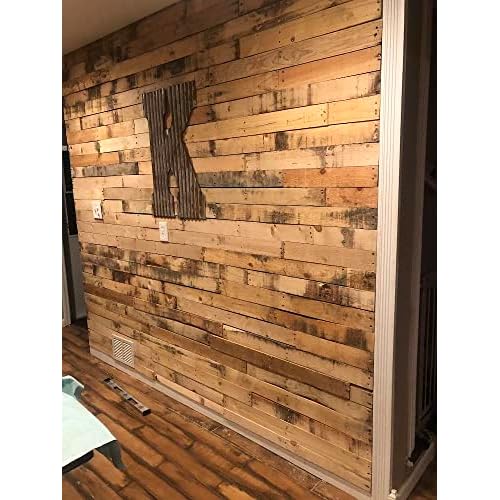
Select sturdy and undamaged wooden crates that can handle outdoor exposure. It’s wise to choose those made from hardwood as they offer enhanced durability. Inspect for any protruding nails or splinters and sand the surfaces to ensure safety and comfort.

Assembly Techniques
<p Utilize wood screws for securing pieces together, ensuring stability and longevity. Pre-drill holes to prevent splitting the wood. Apply outdoor-grade adhesive for additional strength, particularly at joints. Consider adding a coat of weatherproof sealant to protect against moisture and UV rays.
Design Ideas
<p For seating, arrange crates side by side and stack them for height variation. Create a table by placing a larger crate flat on the ground and topping it with a solid, flat surface. Add cushions made from outdoor fabrics for added comfort. Experiment with different configurations to suit your style and usage needs.
Selecting the Right Pallets for Your Project
Choose pallets made from hardwood, as they provide greater durability and stability. Look for those stamped with the ISPM 15 treatment mark, indicating they have been heat-treated to prevent pests and diseases.
Inspect the condition carefully. Avoid pallets with visible damage such as broken slats, excessive splintering, or mold. Consider weight capacity; heavier pallets are generally sturdier and can support more weight.
Prioritize clean wood. Check for any chemical stains or markings, as many pallets are used for transporting goods, and some may carry harmful residues. Opt for those that are certified food-safe to ensure the integrity of your work.
Evaluate size carefully. Standard pallets typically measure 48″x40″, but custom sizes are available. Ensure that the dimensions fit your design needs and available space.
Consider the pallet design. Some may have a more complex structure, which can add character to your creation. Look for unique patterns or features that could enhance the aesthetic appeal of your project.
Tools Needed for Assembling Pallet Creations
For a successful assembly of pallet creations, here are the necessary tools:
| Tool | Description |
|---|---|
| Drill | A power drill is essential for driving screws into wood. Use a variety of drill bits for different applications. |
| Screws | Choose wood screws that match the thickness of the pallets. Typically, 2.5 to 3-inch screws are suitable. |
| Saw | A circular saw or handsaw is necessary for cutting pallets to your desired dimensions. |
| Measuring Tape | Accurate measurements ensure that each element fits together properly. A tape measure is indispensable. |
| Sandpaper | Use sandpaper to smooth rough edges and surfaces for better aesthetics and safety. |
| Hammer | A hammer is useful for adjusting pieces and securing nails where needed. |
| Clamps | Clamps hold pieces together while the assembly or gluing takes place, providing stability. |
| Protective Gear | Safety goggles and gloves are necessary for protection against splinters and accidents. |
Gather these tools before starting your project to simplify the assembly process and ensure safety throughout your work. Each tool plays a critical role in achieving a sturdy and appealing result.
Preparing Pallets: Cleaning and Sanding Tips
First, remove any foreign materials adhering to the surface. Use a high-pressure washer or soapy water to clean the wood thoroughly, ensuring all dirt, dust, and grime are eliminated. If needed, introduce a stiff-bristled brush to scrub stubborn areas.
After cleaning, let the pallets dry completely before proceeding. This step is crucial to prevent moisture retention that could lead to mold or rot.
Your Sanding Approach
Begin sanding using medium-grit sandpaper (around 80-grit) to eliminate any rough spots and splinters. Pay particular attention to edges and corners. Follow up with fine-grit sandpaper (around 120-grit) for a smoother surface suitable for finishing. An electric sander can save time but remains cautious around intricate areas.
Inspection for Safety
Once sanding is complete, inspect each piece for nails or sharp objects that could pose risks during assembly or use. Remove any protruding contaminants using pliers or a hammer. This ensures your creation is not only attractive but also safe to work with.
Designing Your Outdoor Furniture Layout
Begin by assessing the available space, measuring dimensions to ensure optimal arrangement. Create a blueprint on paper or use design software if preferred. Incorporate designated areas for seating, dining, and relaxation, maintaining sufficient pathways for movement.
Position seating to promote conversation, placing chairs and benches in a semi-circle or U-shape. Ensure that surfaces are easily accessible and oriented towards any focal points like gardens or fire pits. Consider the sunlight’s path throughout the day; it’s wise to avoid direct exposure during peak hours.
In instances where shade is limited, think about adding umbrellas or canopies to enhance comfort. Use cushions or throws in weather-resistant fabrics for added coziness, allowing you to personalize the aesthetic of each piece while providing comfort.
Include small side tables for convenience, facilitating easy access to drinks and snacks. Incorporate plants or decorative elements to soften the overall look and create an inviting atmosphere. Plan for multifunctional pieces, like benches that double as storage or tables that can expand for gatherings.
Finally, reflect on the flow of the space, adjusting layouts to ensure harmony. I often take a step back to visualize the arrangement, making tweaks as necessary until the desired ambiance is achieved. Creating a cohesive and functional environment can transform your area with creativity and thoughtful design.
Step-by-Step Instructions for Creating a Table Using Pallets
Gather two or three pallets for the tabletop, ensuring they are the same size for a uniform look. If needed, trim them to your desired dimensions using a saw.
Place the pallets side by side, then secure them together with wood screws. Drill holes at the corners and center of each pallet to enhance stability.
Prepare the legs by cutting four sturdy wood pieces, each around 30 inches long. Attach them to the corners of the tabletop using angle brackets for added support. Ensure they are level and aligned properly to avoid any wobbling.
For an added touch, create a lower shelf by using another pallet cut in half. Secure it between the legs at a height of about 10 inches from the ground, providing extra storage space.
Sand all surfaces thoroughly, focusing on edges and corners to eliminate sharp spots. This step will enhance safety and provide a smooth finish.
Apply exterior wood stain or sealant to protect the table from the elements. Choose a finish that complements your style while ensuring longevity.
Let it dry completely before placing it in your desired location. Once set, accessorize with cushions or decorations to enhance its appeal.
Creating Comfortable Seating with Pallet Cushions
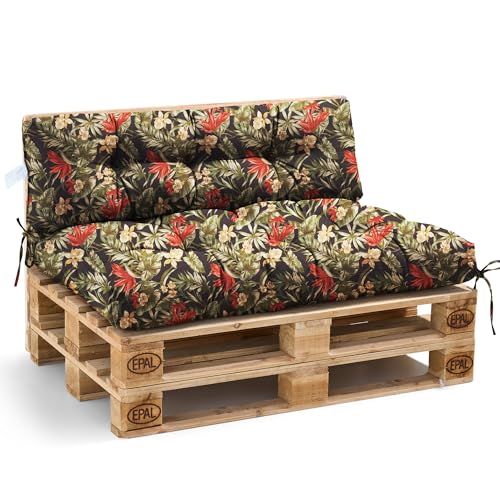
For a cozy seating area, select cushions that fit the dimensions of your assembled pieces. Start by measuring your pallet dimensions accurately to ensure a snug fit. I recommend opting for thick foam or specialized outdoor cushions made of weather-resistant fabric.
Consider the following steps:
- Choose high-density foam for durability. A thickness of 3 to 4 inches is ideal for comfort.
- Cut the foam to size if necessary. Use an electric knife for a clean cut.
- Select fabrics treated for UV resistance and water repellency. Look for outdoor upholstery fabric, which can withstand the elements.
- Make cushion covers using a sewing machine. Opt for zippered covers for easy cleaning and maintenance. Measure and cut the fabric, ensuring a comfortable fit, then sew the edges together, leaving the zipper open for the foam stuffing.
- Insert the foam into the covers and zip them shut. For added comfort, consider using poly-fill or batting around the foam.
Secure cushions to your seating by using Velcro strips on the bottom or attaching them directly to the pallets to prevent sliding. This will enhance stability during use.
Utilizing outdoor pillows can also enhance comfort and aesthetics. Mix and match colors and patterns to create a welcoming environment. Choose pillows that are resistant to fading and moisture to maintain their appearance over time.
Lastly, always check for weather conditions when placing your seating outside. If rain or storms are expected, consider storing cushions indoors to prolong their lifespan.
Finishing Touches: Staining and Sealing Wood
To enhance the durability and appearance of your creations, apply a high-quality stain followed by a sealing agent. Choose a stain that suits your design and offers weather resistance. Test on a scrap piece before committing.
Staining Process
Follow these steps for optimal results:
- Ensure the surface is clean and fully dry.
- Use a brush or a cloth to apply the stain, working in small sections.
- Wipe off excess stain after a few minutes to achieve the desired color.
- Allow the stain to dry completely, usually 24 hours.
Sealing the Surface
After staining, sealing is crucial to protect against moisture and UV damage.
- Select an exterior sealer suitable for wooden surfaces.
- Apply with a clean brush or sprayer for even coverage.
- Pay special attention to edges and corners, as these areas are more prone to moisture infiltration.
- Let the first coat dry completely, and consider applying a second coat for additional protection.
Regular maintenance will prolong the life of your project. Periodically check for signs of wear and refresh the stain or sealer as necessary.
Maintaining and Repairing Your Pallet Furniture
Regular upkeep is key to extending the lifespan of your creations. Start by inspecting for loose components or deteriorating wood. Tighten any screws or bolts that have become loose, ensuring structural integrity.
For scratches and minor dents, use fine-grit sandpaper to smooth the surface. Afterward, apply a wood filler to any deep gouges, allowing it to dry completely before sanding it smooth for an even finish.
Protective Coatings
Reapply a protective sealant annually to guard against moisture and UV damage. This will help prevent fading and degradation over time. Choose a product specifically designed for external conditions for optimal protection.
Seasonal Care
During harsh seasons, store items in a sheltered place or cover them with a waterproof tarp to avoid excessive exposure to the elements. This will minimize wear and tear. In spring, do a thorough clean and inspect all items for damage, readying them for the warmer months.
For larger repairs, such as replacing broken planks, measure the required size and cut a replacement using a jigsaw. Secure it using wood glue and clamps until fully set. This method will maintain functionality and appearance.
Investing time in maintenance ensures that your pieces remain both aesthetically pleasing and functional for years to come.