
 Caleb Turner
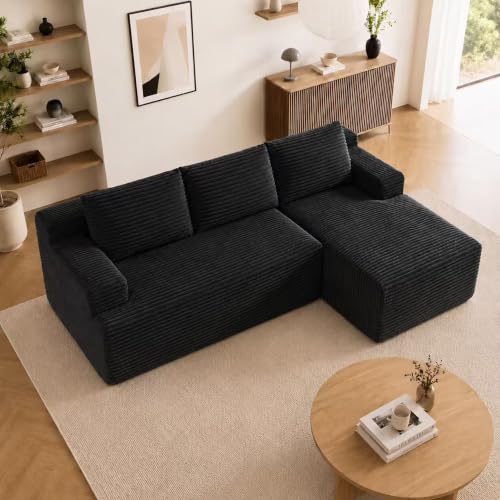
Place the seating opposite the hearth to create a focal point, allowing for comfortable conversations and warmth. A cozy sectional can delineate the area while providing ample seating.
Introduce a coffee table in the center for practicality and aesthetics. Choose one with storage options to minimize clutter, enhancing the spacious feel of the area.
Use area rugs to define zones within the expanse. A well-placed rug not only adds texture but also anchors the furnishings, giving a cohesive look to the design.
Incorporate multifunctional pieces such as ottomans or side tables that can easily be moved, adapting to various gatherings, from intimate family evenings to lively social events.


Consider the flow of movement. Ensure pathways remain unobstructed; this creates an inviting atmosphere and allows for easy navigation between spaces.
Accent pieces like bookshelves or tall plants can add vertical interest. Position them strategically to enhance the overall ambiance without overwhelming the space.
Lastly, adjust lighting to set the desired mood. Layering ambient, task, and accent lighting can transform the area, highlighting the warmth of the hearth and encouraging relaxation.
Placement Strategies for a Cozy Environment
Position seating in a way that promotes conversation and warmth. For a central focus, I typically place two sofas facing each other with a coffee table in between. This setup encourages interaction while allowing for the glow of the flames to be enjoyed by all.
Include accent chairs at angles to the sofas to maximize seating options without obstructing pathways. This not only enhances the aesthetic but also ensures movement around the area remains fluid.
Functional Zones
Define different functional areas by incorporating a rug beneath the seating arrangement. This visually separates the gathering area while adding a layer of comfort. If space allows, a small table or shelf near the seating provides a convenient spot for drinks or books. I prefer to keep this area clutter-free to maintain its inviting nature.
Balance and Harmony
To achieve harmony, distribute heavier elements evenly throughout the space. Position larger items like bookshelves or cabinets against longer walls, avoiding overcrowding in one area. Incorporate lighter or more delicate pieces such as side tables or plants to create visual balance, ensuring that each section flows seamlessly into the next.
Consider the proportions of various elements and the overall color palette to unify the space, enhancing the ambiance while encouraging relaxation.
Determine the Focal Point: Positioning the Fireplace
The fireplace is a natural focal point, influencing the arrangement of surrounding pieces. Place seating directly facing the hearth, creating an inviting atmosphere.
Optimal Angles and Distance
- Position sofas and chairs at a comfortable distance, typically 8-10 feet away, allowing for conversation and a clear view of the flames.
- Consider angles that enhance sightlines, such as L-shapes or U-shapes, maximizing interaction while focusing on the fire.
Balancing Visual Weight
- Incorporate side tables or consoles on either side of the fireplace to balance the visual weight and create symmetry.
- Avoid overcrowding with too many pieces; maintain negative space to accentuate the warmth and simplicity of the fire area.
Adjust lighting to complement the fireplace, utilizing warm illumination to enhance the ambiance. Utilize artwork or mirrors strategically, ensuring they draw the eye but do not detract from the central feature. This thoughtful approach cultivates a cohesive and inviting space.
Choose Appropriate Furniture Sizes for Space
Measure your area accurately before selecting seating and tables. A sofa should ideally occupy about 60-70% of the width of a wall to maintain proportion. For a standard three-seat couch, this translates to about 6 to 7 feet in width.
Armchairs or accent seats should complement the sofa size, generally being around 30-35 inches wide. Position them at a conversational distance of about 18-24 inches from the couch for comfort.
Coffee tables require careful size consideration; aim for one that is two-thirds the length of your sofa and about 16-18 inches in height. This maintains aesthetic balance and functionality.
Bookshelves, sideboards, or consoles should not overwhelm the space–keeping them 30-36 inches in height allows for visibility without blocking sightlines. Ensure these are proportionate to the scale of your seating arrangement.
Utilize multi-functional pieces like ottomans or storage benches, which are practical for smaller areas. These should fit seamlessly without overpowering the main seating.
Always leave adequate walking space–around 2-3 feet–between large items to enhance flow and accessibility. This also helps prevent the space from feeling cramped.
Establish Flow: Creating Pathways for Movement
Prioritize clear sight lines and accessibility. I ensure that pathways between seating arrangements are at least 24 inches wide, allowing for easy movement without obstruction. Position chairs and couches to facilitate conversation while maintaining space for foot traffic. Avoid placing any items too close to entrances or exits.
Strategic Placement of Seating
When situating sofas and armchairs, I aim for an inviting configuration that encourages interaction. Float the seating away from walls if possible, creating distinct conversational zones. This approach not only enhances flow but also adds depth to the area.
Consideration for Traffic Patterns
Identify the primary routes used to move throughout the environment. I keep furniture away from these pathways and create a natural flow from the entryway to key areas, such as the hearth and dining space. Keeping pathways clear promotes a more inviting atmosphere for everyone using the space.
Select Colors and Textures to Enhance Atmosphere
I recommend using a warm color palette to create a cozy environment around the hearth. Shades such as beige, soft browns, or muted oranges work beautifully to complement the natural glow of the flames. Accents in deeper colors like burgundy or forest green can add depth and interest, enhancing the overall aesthetic.
Textures play a significant role in elevating the ambiance. Incorporate materials such as plush fabrics for cushions and throws to evoke comfort. A combination of smooth surfaces, like a wooden coffee table or metal lamp, balances the softness and creates visual intrigue.
Consider using area rugs to define zones. A soft, textured rug under seating can add warmth while also serving to create a cohesive look. Layering different textures, such as woven baskets or ceramic vases, introduces tactile elements, enriching the experience.
For window treatments, choose light-filtering fabrics that allow natural light to soften the space while providing privacy. Sheer curtains in neutral tones can enhance the feeling of openness and airiness.
Incorporate art pieces and decorative items reflecting the chosen color scheme. This ties everything together visually, creating a unified theme. When selecting artwork, opt for pieces that evoke emotions aligned with the serene and inviting atmosphere typical around a fire.
With the right mix of hues and textures, I find that you can easily transform the heart of the home into a warm and inviting refuge, perfect for relaxation and gathering.
Incorporate Multi-Functional Pieces for Efficiency
Choosing multi-functional elements can dramatically enhance both practicality and aesthetics. For limited areas, these pieces contribute to versatility while optimizing space.
- Ottomans: Select ottomans that contain storage within. They can serve as extra seating or a coffee table, adapting to your needs.
- Convertible Sofa: A sofa that transforms into a bed allows for comfortable lounging by day and a cozy sleeping arrangement for guests by night.
- Side Tables: Opt for tables with shelves or drawers. They provide surface space while also offering additional storage for items like remotes, books, or coasters.
- Bookshelves: Use tall bookshelves that reach the ceiling. Not only do they display books, but they can also showcase decorative accents and create visual height.
- Foldable Chairs: Stowaway chairs that can be folded and stored when not in use maintain a tidy look while allowing flexibility for entertaining.
Multi-functional items ensure that every piece plays a significant role, enhancing daily function and maintaining an organized environment.
Arrange Seating for Conversation and Comfort
Position seating elements in a way that encourages engagement among guests. I recommend placing chairs and sofas in a conversational layout, ensuring that each person can easily see and hear the others. Ideally, the distance between seats should be around three to eight feet to facilitate comfortable dialogue.
Grouping Seats
Consider a grouping that incorporates a central coffee table, allowing for shared drinks and snacks. A U-shape or L-shape can enhance interaction, drawing people into the space rather than leaving them isolated. Use a plush area rug to define this section, which also adds warmth and texture.
Adjusting for Comfort
Adjust the height and style of seating based on preferences and the overall aesthetic. Comfortable cushions and throws invite relaxation. Leave adequate space for movement without overcrowding, ensuring that everyone feels at ease while not removing themselves from the social circle.
A balance between form and function can elevate comfort and conversation. Using ottomans or poufs can also provide versatile seating options that adapt to different gatherings.
Add Accessories to Complete the Decor
Incorporating carefully selected accessories elevates the overall aesthetic. I suggest starting with a statement rug that anchors the area and provides warmth underfoot. Opt for materials that complement your color palette and textures.
Layering with Textiles
Utilize cushions and throws to add comfort and color. Varying patterns and textures will enhance visual interest. Choose a mix of sizes for cushions on sofas or chairs, and drape a soft throw over an armrest for flair.
Art and Wall Decor
Wall art should reflect personal taste and harmonize with furnishings. Consider a large piece as a focal point above the mantel or smaller, grouped frames. Use shelves to display decorative items or books, creating a dynamic focal area.
| Accessory Type | Purpose | Recommendation |
|---|---|---|
| Rug | Defines space | Choose a cozy, patterned option |
| Cushions | Add comfort | Mix sizes and textures |
| Wall Art | Visual interest | Large piece above the mantel |
| Shelves | Displays collectibles | Create a layered look with books and decor |
Lastly, incorporating plants adds vitality. Choose easy-care varieties, placing them at varying heights for depth. These elements collectively enhance the space’s style and comfort, creating a welcoming environment.


