
 Caleb Turner
Utilize risers or chair leg cushions to create space between your possessions and adjacent surfaces. This simple method prevents damage and improves airflow, reducing the risk of moisture build-up.
Incorporate decorative items such as standoff wall shelves or strategically placed plants. These not only enhance the visual appeal but also maintain necessary gaps, allowing for easy cleaning and avoiding wear on finishes.
Consider furniture arrangements that promote circulation. Avoid lining pieces directly against surfaces; instead, opt for angled placements or floating layouts that open up the space. This can lead to a more inviting atmosphere and greater functionality.
Utilize wall anchors or brackets for larger units, providing stability while positioning them further from surfaces. This approach minimizes the chances of accidental scratches or markings, extending the life of your decor.
Tips for Maintaining Distance Between Furniture and Walls
Utilize furniture placement tools like room planners or apps to visualize arrangements. This ensures accurate spacing before moving heavy items.


Incorporate small, decorative items on shelves or tables to create visual interest while maintaining distance. Choose pieces that draw the eye but don’t clutter surfaces.
- Choose lightweight items for areas closer to the edges to allow for easy repositioning. This ensures adaptability without damaging wall finishes.
- Install angled legs or bases on larger pieces. This technique inherently creates space, preventing contact with vertical surfaces.
- Consider space-saving designs, such as modular seating that offers flexibility and can be adjusted as needed.
To reduce the risk of scraping walls, purchase removable wall protectors. These add a buffer between surfaces, safeguarding against scratches.
- Occasionally reorder your space. This refreshes the arrangement and encourages awareness of placement.
- Utilize large area rugs to delineate zones, subtly encouraging maintained distance from edges.
Incorporating plant life strategically can not only beautify but also serve as barriers that limit direct wall contact. Choose plants with wide leaves for effective spacing.
Understanding the Importance of Space Around Furniture
Maintaining distance between structures and various pieces greatly enhances both functionality and aesthetics. I recommend ensuring at least 2-3 feet of open space for easy movement and accessibility.
Here are specific benefits of leaving room:
- Air circulation: Proper airflow reduces humidity and prevents mold growth, especially in upholstered items.
- Visual appeal: Creating space enhances a room’s aesthetic, making it feel larger and more inviting.
- Ease of cleaning: Sufficient gaps make it easier to clean behind and around items, contributing to hygiene and maintenance.
- Safety: Adequate spacing minimizes tripping hazards and allows for quick exits in emergencies.
Strategically positioning pieces can also promote social interaction. Arranging seats with open paths facilitates conversation and engagement.
Consider using furniture pads or risers to elevate pieces, promoting airflow beneath and giving a sense of openness. Remember to assess traffic patterns in the space to determine ideal placements.
Overall, intentional spacing not only optimizes functionality but also brings a harmonious balance to interiors, enhancing both comfort and style.
Choosing the Right Furniture Layout for Your Room
Consider a focal point in your space, such as a fireplace or a piece of artwork. Place seating arrangements to encourage conversation while allowing easy movement. Ensure pathways are clear by leaving ample space between pieces, using at least 18 inches where possible.
Utilizing Zones
Divide larger areas into zones for specific purposes. Create a reading nook with a comfortable chair and lamp, separate from entertainment spaces. Designating areas maintains function and encourages flow, making the environment more inviting.
Scale and Proportion
Select items that complement the dimensions of the room. Oversized pieces can overwhelm, while tiny items might get lost. Balance is key; mix heights and shapes to form an engaging layout. Round tables can soften hard edges and contribute to a welcoming atmosphere.
Using Furniture Risers to Create Distance from Walls
Incorporating risers beneath legs of seating or tables effectively generates space between these pieces and the surrounding surfaces. This small modification not only enhances the visual appeal but also allows for better air circulation and cleaning access.
Select risers that complement the style of your interior. Consider materials such as wood, plastic, or metal, which serve not only functional purposes but also add aesthetic value. For example, wooden risers may harmonize beautifully with rustic decor, while sleek metal versions suit modern interiors.
Determine the desired height based on the layout and user needs. A height of 2 to 4 inches generally suffices to achieve adequate separation. However, seek personalized comfort when it comes to seating surfaces to maintain ergonomics.
| Riser Material | Style Compatibility | Height Range |
|---|---|---|
| Wood | Traditional, Rustic | 2-4 inches |
| Plastic | Contemporary, Casual | 3-5 inches |
| Metal | Industrial, Modern | 2-6 inches |
Secure risers to prevent wobbling. Use non-slip pads for additional stability, ensuring safety for everyone using the space. This simple adjustment promotes a cohesive look while enhancing practicality within any room layout.
Implementing Wall Protectors and Furniture Bumpers
Utilizing wall protectors and bumpers provides a practical solution to minimize damage to both surfaces and items. Wall protectors, often made of durable materials like polyurethane or rubber, can be strategically placed at the corners and along edges where furniture is most likely to make contact. These strips act as buffers, absorbing impacts and preventing scuffs or dents.
For softening the blow when items inadvertently collide with walls, furniture bumpers come into play. These can be adhesive or stick-on pads that easily adhere to the corners or sides of tables, cabinets, and chairs. Selecting thicker pads ensures that they absorb more pressure, leading to extensive protection.
Placement Tips
Position wall protectors at the most common impact areas, especially in high-traffic zones. Regularly used areas such as entryways or living rooms benefit significantly from added coverage. For furniture bumpers, install them at all corners, as even minor bumps over time can accumulate damage.
Material Considerations
Choosing the right materials is key. Rubber bumpers tend to offer better durability against heavier pieces, while softer foams can be ideal for lighter items where aesthetics matter. Reviewing available options ensures optimal results in maintaining the condition of both your possessions and the structural integrity of walls.
Incorporating Decorative Elements to Maintain Clear Paths
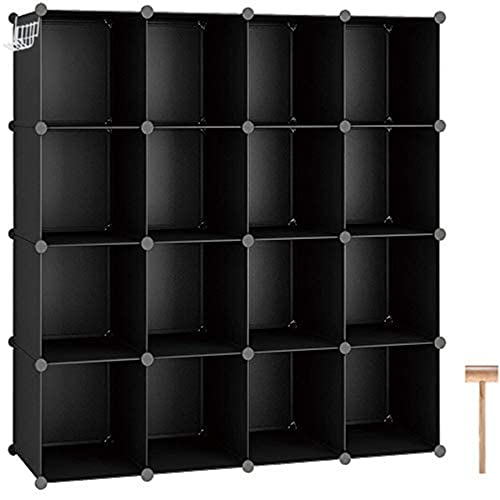
Utilizing decorative elements can transform spaces while ensuring unobstructed pathways. I recommend using modular shelving units as decorative dividers. These not only provide storage but also define areas without crowding them.
Strategic Use of Rugs
Selecting area rugs with non-slip backing can subtly delineate spaces and increase visual appeal. Positioning these rugs strategically can create the illusion of defined zones, encouraging movement while keeping critical areas accessible.
Functional Accessories
Incorporate items like wall-mounted shelves or hooks. These serve practical purposes, allowing for the display of art or storage of frequently used items, all while reducing clutter. Additionally, incorporating ambient lighting fixtures can enhance pathways; choosing fixtures that illuminate routes without encroaching on space can add warmth and accessibility.
Regular Maintenance and Adjustment of Furniture Placement
Conduct a monthly inspection of your room layout. During this evaluation, assess the distance between your pieces and adjacent surfaces. Use a measuring tape to ensure consistency in spacing, keeping it ideally between 2 to 6 inches. Regular prompts to shift or realign critical elements will prevent buildup of dust and allow for easier cleaning.
Incorporate seasonal adjustments based on usage. Change the arrangement during warmer months to create an open atmosphere, while reverting to cozier setups in colder seasons. This not only enhances comfort but also promotes airflow and light distribution in the area.
While realigning, pay attention to the balance of heavier items with lighter ones. This practice ensures stability and reduces the likelihood of accidental tipping. Utilize sliders or pads to facilitate smooth movement, making adjustments straightforward and less burdensome.
Involve family members in this process, turning it into a collaborative effort. This not only brings diverse opinions regarding aesthetics but also ensures that all users are satisfied with the layout and functionality of the space.
FAQ:
Why is it recommended to keep furniture away from walls?
Keeping furniture away from walls can enhance airflow and reduce the risk of damage from moisture and mold. It allows for easier cleaning and creates a more open and spacious atmosphere in a room. Additionally, this arrangement can improve the distribution of light, making the space feel brighter and more welcoming.
What are some practical tips for arranging furniture away from walls in a living room?
To arrange furniture away from walls, consider creating a central conversation area by positioning sofas and chairs inward, possibly around a coffee table. Use rugs to define the space and add visual interest. You can also incorporate plant stands or occasional tables to fill empty spaces and maintain balance without crowding the area.
How much space should ideally be left between furniture and walls?
A good rule of thumb is to leave about 2 to 3 feet of space between larger furniture pieces, like sofas and walls, to allow for movement and airflow. For smaller items, like side tables or lamps, 1 foot of space can be sufficient. Adjustments can be made based on room size and furniture dimensions.
Are there any challenges that come with keeping furniture away from walls?
Yes, some challenges may include limited space in smaller rooms, which can make moving furniture away from walls difficult. It may also necessitate rearranging other room elements, like lighting or storage solutions. Additionally, if furniture is not secured properly, it could increase the risk of tipping over, especially in homes with young children or pets.
What other benefits can be achieved by keeping furniture away from walls?
Besides improving airflow and aesthetics, keeping furniture away from walls can contribute to better sound distribution within a room. It can create more intimate seating arrangements, making conversations easier. This setup also invites creativity in decorating, as wall space can be better utilized for artwork or additional lighting fixtures.


