
 Caleb Turner

I recommend beginning with the largest pieces. Position sofas and chairs perpendicular to walls to create a sense of depth and openness. This approach allows for better flow and maximizes your available space, making it inviting regardless of dimensions.
Next, incorporate multifunctional items. A coffee table that doubles as storage or ottomans that can be moved around provide flexibility. Choosing designs with sleek lines will enhance the sense of airy space. Additionally, layering rugs can define areas within the room while adding warmth.
To emphasize lighting, install fixtures that illuminate dark corners. Floor and table lamps can deliver soft lighting where natural sources are scarce. Mirrors strategically placed reflect light and can make the area appear larger. Aim to create an environment that feels bright and spacious.
Finally, consider the layout based on activities. Design zones for entertainment, relaxation, or work, integrating elements like bookshelves or desks into the configuration. A thoughtfully planned setup ensures that every segment meets its functional needs while contributing to the overall ambience.
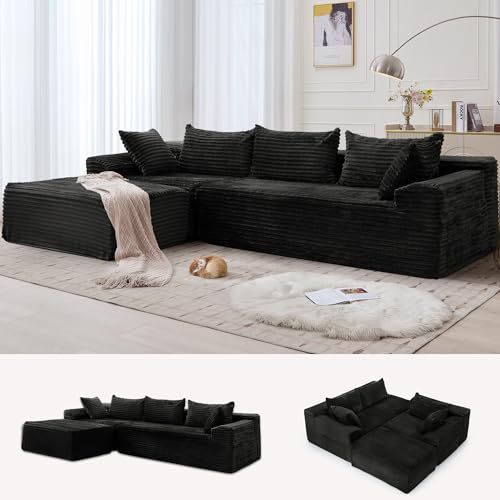


Optimal Furniture Setup Recommendations
To make the most of your lower level space, I focus on defining zones. This creates a functional layout. Identify areas for relaxation, entertainment, and storage.
Seating Arrangement
- Place larger seating pieces, like sofas or sectionals, facing a focal point, such as a fireplace or a television.
- Include smaller chairs to encourage conversation, arranging them around a central coffee table.
- Consider modular furniture for flexibility; it allows for easy reconfiguration based on needs.
Utilizing Vertical Space
- Install shelves to keep the floor clear; this maximizes both storage and visual space.
- Use wall-mounted lighting to reduce clutter on surfaces while enhancing ambiance.
- Cabinets or bookcases can serve dual purposes by adding storage while acting as room dividers.
Incorporate mirrors to reflect light, which can brighten up darker areas. When deciding on placement, ensure pathways remain unobstructed for easy movement throughout the area.
Assessing Your Space for Furniture Layout
Measure the area accurately, including the height, width, and length. If there are any columns or corners, note their dimensions, as they will influence the arrangement of items.
Sketch a floor plan on graph paper or use an app. This allows me to visualize placement without heavy lifting. Incorporate fixtures like windows and doors into my drawing to consider natural light and traffic flow.
Identify the intended purpose of the space. Will it be a recreational zone, a workspace, or a relaxing retreat? Each function requires a different layout to optimize comfort and usability.
Account for the available light sources. Dim areas may benefit from lighter colors and reflective surfaces. Conversely, cozy environments might suit darker hues and heavier textures, enhancing the atmosphere.
Evaluate existing storage solutions. Built-in shelves or cabinets can impact how I position larger items, freeing valuable floor space. Maximize vertical storage to reduce clutter.
Prioritize pathways in my design. Ensure that walkways between pieces are wide enough for easy movement. Aim for clear access to all areas, making navigation intuitive.
Consider the scale of pieces in relation to the space. Bulky items may overwhelm a smaller area, while tiny pieces can get lost in a larger expanse. Balance is key to achieving a harmonious look.
Experiment with layouts virtually before committing. Many apps allow for 3D visualization, helping me see how choices will fit together in practice while saving time and effort.
Once a preferred configuration emerges, conduct a “dry run” by placing lightweight alternatives in the chosen positions. This step helps identify any potential issues before heavy lifting begins.
Choosing the Right Furniture for Your Basement
Opt for multifunctional pieces that maximize utility while conserving space. A sofa bed or a pull-out couch offers seating during the day and a sleeping area at night, making it ideal for small gatherings or overnight guests.
Consider the layout of your area to have adequate circulation space. Pieces with slim profiles can help avoid a cluttered appearance while ensuring comfort and accessibility. Avoid oversized items that overpower the room.
Choose durable materials that withstand varying humidity levels. Look for moisture-resistant fabrics on upholstered pieces and solid wood or metal for tables and shelving to enhance longevity.
Select a color scheme that promotes a cozy atmosphere. Light colors can create an illusion of more space, while darker shades add warmth and depth. Throw pillows and blankets can inject personality and comfort without much commitment.
Integrate storage solutions creatively. Ottomans with hidden compartments or shelving units that double as display spaces can keep the area organized. Pegboards or wall-mounted racks also free up floor space while showcasing decorative elements.
Incorporate soft lighting elements to create an inviting ambiance. Floor lamps and string lights can provide warmth and highlight specific areas without requiring overhead fixtures.
Lastly, personalize your selection with decor elements that reflect your style. Framed artwork or family photos bring character and make any space feel like home, reinforcing the comfort of your chosen pieces.
Creating Zones for Different Activities in the Basement
Establish clear areas tailored for specific functions by using rugs or furniture arrangement. For instance, a cozy reading nook can be defined with an armchair and a small side table placed on a rug, separating it from a gaming or entertainment section featuring a sofa and television.
Consider multi-functional pieces to maximize space utility. A coffee table with storage or a convertible sofa works well in defining social and relaxation areas while serving practical needs.
Utilize vertical space effectively. Wall-mounted shelves can delineate zones without consuming floor area, ideal for a mini-library or display area, enhancing aesthetic appeal.
| Zone | Recommended Furniture/Elements | Purpose |
|---|---|---|
| Reading & Relaxation | Armchair, side table, rug | Quiet space for hobbies and leisure |
| Entertainment | Sofa, coffee table, media stand | Socializing and movie nights |
| Home Office | Desk, ergonomic chair, shelves | Work or study area |
| Play Zone | Bean bags, storage bins | Area for games and activities |
To enhance each zone, consider lighting options. A standing lamp can illuminate a reading corner, while overhead fixtures benefit the entertainment area. Adjust window treatments for natural light control to create inviting atmospheres across different spaces.
Establish a visual flow between areas using consistent color schemes or styles. This connection makes transitions natural and the entire setting harmonious.
Optimizing Traffic Flow in the Basement
I prioritize wide pathways that encourage movement throughout the space. Keeping at least 24 inches between pieces enables easy access. I strategically position larger items, like sofas or entertainment centers, against the walls to create unobstructed aisles. This not only enhances comfort but also avoids clutter.
In high-traffic areas, I select furniture with a low profile. Bulky chairs can impede flow, so I opt for streamlined designs. When arranging seating, I avoid placing chairs facing away from entrances, ensuring that anyone entering isn’t met with an immediate obstruction.
To further promote fluidity, I designate specific routes for movement. By utilizing area rugs to define walking paths, I subtly guide foot traffic without restricting the open feel of the area. Organizing storage solutions vertically also minimizes ground-level obstacles, further supporting smooth navigation.
In social settings, I place seating in a circular or U-shape, facilitating conversation while maintaining roominess. This configuration reduces the likelihood of bottlenecks while participants interact. Additionally, incorporating multi-functional pieces–like ottomans that double as storage–can keep the space tidy while enhancing flow.
Incorporating Storage Solutions in Your Furniture Arrangement
Utilizing vertical space is a practical approach to enhancing organization within any room setup. Consider installing wall-mounted shelves to hold books, decorative items, or storage bins. This keeps the floor clear and maximizes usability.
Multi-functional Pieces
Opt for versatile solutions, such as ottomans with hidden compartments or coffee tables that double as storage. These not only save space but also provide functionality without sacrificing style.
Strategic Basket Use
Baskets are excellent for controlling clutter. Place stylish baskets under tables, on shelves, or in corners. Categorize items within each basket for easy access while maintaining a neat appearance.
- Prioritize lightweight, easily movable items for flexibility.
- Incorporate drawer units for small items that require organization and accessibility.
- Utilize corner units to capitalize on under-utilized areas.
Incorporating hooks or pegboards can create additional storage surfaces for tools, sports equipment, or craft supplies, ensuring everything has its designated place. Assess the layout regularly to adapt storage needs as requirements change.
Using Lighting to Enhance Furniture Arrangement
To maximize the visual appeal and functionality of the space, I prioritize a layered lighting approach. Combining ambient, task, and accent lighting creates a dynamic atmosphere that highlights specific areas and pieces.
Task Lighting for Specific Areas
In work or reading zones, I install focused fixtures such as desk lamps or wall sconces. This strategy not only enhances usability but also brings attention to designated spots, making them feel inviting and purposeful.
Accent Lighting to Highlight Features
Spotlights or LED strip lights serve to showcase decorative items or furniture. These elements can draw the eye and create a sense of depth, adding character. I find placing floor lamps near seating arrangements helps establish inviting nooks that welcome relaxation.
Using dimmers provides flexibility, allowing me to adjust the mood according to activities. This way, the atmosphere can shift from bright and energetic during gatherings to soft and cozy for movie nights.
Carefully selected and strategically placed lighting contributes significantly to the overall design, enhancing how each area functions and feels. By prioritizing both practicality and aesthetics, I create a harmonious environment that suits a variety of uses.
Arranging for Comfort and Functionality
Prioritize seating comfort by selecting plush sofas or chairs, ensuring a welcoming atmosphere. Consider modular options to adapt to various gatherings. For relaxation areas, opting for recliners can provide additional comfort. Layer soft textiles, such as throw blankets and cushy pillows, enhancing the coziness factor.
Maximizing Utility
Incorporate multi-purpose pieces to streamline usage. For instance, a coffee table with storage can reduce clutter while providing a place for beverages. Use ottomans that double as seating and storage. When selecting pieces, consider durability and ease of maintenance, especially for spaces likely to face wear and tear.
Creating a Welcoming Atmosphere
Utilize area rugs to define spaces and add warmth. Choose colors and patterns that mirror your personal style while remaining practical. Incorporate plants for a touch of nature, enhancing air quality and aesthetics. Finally, ensure that every element contributes to an environment that feels both functional and inviting.
Maintaining a Balanced Aesthetic in Your Interior Design
Choosing a cohesive color palette is one of my top strategies for creating a visually pleasing environment. I select shades that complement each other and resonate with the overall theme I want to achieve. Soft neutrals serve as a perfect backdrop for vibrant accents, making spaces feel inviting yet stylish.
Textures and Materials
Incorporating a mix of textures adds depth. I often combine soft fabrics like velvet or linen with harder materials such as metal or wood. This interplay not only enhances comfort but also visual interest. Pairing a plush sofa with a sleek coffee table creates a striking contrast that is both appealing and functional.
Focal Points and Symmetry
Establishing a focal point in any area is crucial for a balanced look. I tend to utilize artwork, a striking piece of furniture, or even a unique light fixture to draw attention. Additionally, symmetry plays a significant role; flanking shelves or decorative items on either side of a central piece creates a harmonious layout that feels intentional.
Incorporating greenery is another aspect I find enhances aesthetic appeal. Plants not only purify the air but also add a touch of nature, bringing warmth and vibrancy. Selecting plants that thrive in lower light conditions ensures they flourish even in less illuminated areas.
Ultimately, it’s essential to curate my selections carefully and maintain a consistent theme throughout. Each element should contribute to the overall vision while allowing for personal expression. This approach transforms the space into a cohesive and inviting environment, perfectly suited for relaxation or entertaining guests.
Handling HVAC and Electrical Considerations in Layout
Evaluate the placement of heating, ventilation, and air conditioning units while organizing the space. Ensure that these systems are accessible for maintenance and do not obstruct pathways. Position seating away from heating vents to avoid discomfort from direct air flow during colder months.
Keep electrical outlets in mind. When selecting locations for seating and tables, I make sure to account for the availability of power sources. Plugging in lamps, chargers, or other devices should be easy without the need for cumbersome extension cords that create hazards.
Consider the placement of ceiling fixtures. Adequate lighting is crucial, so I position larger light sources centrally to provide even illumination across the area. If there are existing fixtures on the walls, I make sure to create layouts that highlight these points of interest while providing ample light for various activities.
Also, pay attention to the potential for moisture issues in lower levels. Installation of dehumidifiers can be strategically placed to improve air quality while considering their noise level. I find it works well to keep these machines on the perimeter, minimizing disturbance during social gatherings.
Respect the need for ventilation. If there are windows, I keep the layout open enough to take advantage of natural airflow. If no windows exist, I consider incorporating fans or air purifiers that can operate silently without detracting from the overall aesthetic.
Lastly, integrate any visible ductwork into the design. I often opt for color-coordinated paint or decorative covers for ducts that can blend seamlessly with the overall scheme while maintaining practicality.


