Caleb Turner
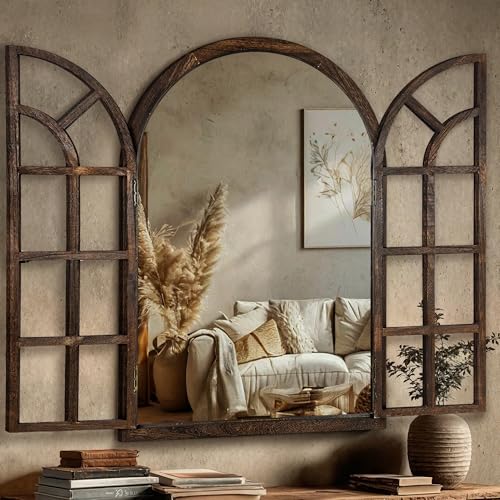
The recommended distance for positioning a reflective surface is approximately 5 to 10 inches above the top of the item it complements. This ensures a harmonious balance between the two, enhancing both functionality and aesthetics. For standard height furnishings, such as sofas or console tables, the higher end of this range tends to create a more spacious feel.
In personal spaces, like bedrooms, placing this decorative element about 8 to 12 inches above dressers facilitates easy viewing while maintaining visual appeal. If utilizing larger pieces, such as sideboards, a clearance of 6 to 8 inches often yields the best results, allowing for decorative accessories to be displayed without obstructing the reflection.


When achieving a cohesive design, consider the overall proportions of the space. Taller walls can often support more substantial gaps, allowing the reflective piece to act as an art element. Conversely, in tighter areas, minimizing the distance promotes intimacy and warmth. Ultimately, adjust according to the specific dimensions of the environment and the objects involved.
Optimal Placement for Reflective Panels
Place the reflective panel approximately 5 to 10 inches above the top of the piece below. This height ensures balance and integrates the reflective surface into the overall room layout.
For a cohesive look, center the reflective panel horizontally with the item. This alignment provides visual harmony and draws attention to both elements.
Consider the viewer’s eye level. In general, the center of the reflective surface should be positioned around 57 to 65 inches from the floor for optimal visibility. This height accommodates most people comfortably.
For tall pieces such as buffets or dressers, elevating the reflective surface slightly more can enhance the aesthetic appeal. Aim for a few additional inches for larger items to maintain a pleasing proportion.
Test with a placeholder before making permanent alterations. Use painter’s tape to outline where the reflective panel will go. This method allows for adjustments without committing to a final position until satisfied.
Finally, ensure that the reflective surface complements the remaining decor. Consider the style, color, and texture of surrounding elements to achieve a cohesive design.
Measuring the Ideal Height for Mirror Placement
For optimal results, I recommend positioning the reflective piece so that the center is approximately 57 to 65 inches from the floor. This measurement aligns well with the average eye level of adults, facilitating ease of use and ensuring that the design complements the surrounding area.
Considerations When Establishing Height
When determining placement, evaluate the height of the items nearby. If there’s a console or similar structure beneath, maintain a gap of 4 to 6 inches between the top of that piece and the bottom edge of the reflective surface. This spacing creates a balanced appearance and avoids a cramped look.
Adjusting for Specific Uses
If the reflective artwork is primarily for grooming or styling, place it slightly lower, around 54 inches. For decorative purposes, maintain the higher recommendation. Always ensure the angle reflects the light appropriately, enhancing both functionality and aesthetics.
Considering Furniture Height in Mirror Positioning
For optimal aesthetic appeal and functionality, position reflective surfaces so that their bottom edge is approximately 6 to 12 inches above the top of adjacent pieces. This ensures a cohesive look while providing enough space for visual balance.
Standard Furniture Heights
To make the best decision, familiarize yourself with typical measurements of various household items:
| Furniture Type | Average Height (inches) |
|---|---|
| Couches | 30-36 |
| Dining Tables | 28-30 |
| Nightstands | 24-28 |
| Dressers | 30-42 |
Visual Considerations
When placing reflective surfaces, maintain eye level alignment for greater comfort. The center should ideally align with the eye level of the predominant users, usually around 57 to 65 inches from the floor. Adjust these measurements based on the intended visual effect and room dimensions.
Overall, thoughtful placement enhances the flow and style of your space, allowing the area to appear more inviting and balanced.
Impact of Ceiling Height on Mirror Placement
The optimal positioning for reflective surfaces is heavily influenced by the vertical distance from the floor to the ceiling. In spaces with standard heights, the midpoint of the wall often serves as the ideal reference point, typically around 58 to 64 inches from the ground. However, in rooms with elevated ceilings, this reference point may need adjustment to maintain visual balance.
Adjusting for Taller Ceilings
For rooms boasting heights of 10 feet or more, I find it effective to elevate the reflective piece higher, often around 65 to 75 inches or even up to 80 inches if the wall space allows. This positioning prevents the surface from feeling isolated and enhances the proportions of the area.
Compensating for Lower Ceilings
Conversely, in areas with lower ceilings, I recommend keeping these surfaces closer to the standard thresholds–around 54 to 58 inches. This approach ensures that the reflective element does not overwhelm the room, maintaining a cozy atmosphere while serving its functional purpose.
Visual Balance: How to Center the Mirror Above Furniture
Position the reflective piece so that its midpoint aligns with the eye level of the individuals primarily using the space, typically around 57-60 inches from the floor. If the area has a range of heights among users, adjusting this measurement slightly can enhance the inclusive feel.
Creating Symmetry with Surrounding Elements
Incorporate the visual weight of adjacent items when determining placement. Ensure the art piece complements the nearby items, maintaining a harmonious balance. If placing two elements on either side, aim for a symmetrical arrangement; this provides a stable, cohesive appearance.
Adjusting for Scale and Proportions
Consider the size of the reflective object relative to the items beneath it. A larger setup should be positioned slightly higher to prevent overwhelming lower pieces, while small accents may be placed lower for a unified look. Keep a gap of 4-10 inches between the top of the piece and the surface below it to maintain a sense of proportion.
Creating Depth with Mirror Height
I recommend positioning reflective surfaces to maximize spatial illusion. For a more expansive feel, suspend these accents at a level that allows the top edge to align with or slightly exceed the visual midpoint of adjacent elements, creating a sense of height that enlarges the room.
In smaller spaces, placing reflective pieces closer to eye level enhances interaction, enabling viewers to appreciate the depth of the area. Ideally, the bottom edge should be around 28 to 32 inches from the floor for easy visibility, ensuring it becomes a focal point rather than a standoffish object.
Utilize the surrounding décor to enhance perception. If surrounding items are lower, positioning the reflective surface slightly higher will draw the eye upward, creating balance and depth. On the contrary, in rooms with tall ceilings, a lower placement can elevate the coziness of the area, avoiding a cavernous feel.
Remember, the goal is to create harmony. Ensure the placement complements neighboring items, making the entire composition inviting and spacious. Using element interaction is key to depth creation.
Tips for Different Types of Furniture
For a comfortable visual effect, place a reflective panel above a console table around 30 to 36 inches from the tabletop. This height enhances the view and makes the space feel open.
Living Room Sofas
- When positioned behind a sofa, aim for about 6 to 12 inches above the backrest. This allows for an inviting ambiance.
- If the sofa is tall, consider mounting slightly higher, ensuring the upper edge of the reflective surface aligns with the eye level of seated guests.
Dining Tables
- For dining areas, a reflective surface should sit 30 to 36 inches above the table to provide balance without overwhelming the space.
- If the ceilings are elevated, adjust the placement slightly higher to maintain proportion with the room’s dimensions.
In bedrooms, the positioning shifts based on the type of bed. Position a reflective panel approximately 36 to 42 inches above the headboard for a balanced look, particularly with low-profile designs. For taller beds, center it to catch light and reflect the visually appealing aspects of the room.
In home offices, keep reflective panels around eye level to create a professional atmosphere. When using standing desks, ensure the height accommodates both sitting and standing positions, promoting ergonomics and enhancing workspace aesthetics.
Assessing Room Lighting and Mirror Height
I recommend considering the quality of lighting in your space. Natural light enhances reflections and creates a welcoming ambiance. If possible, hang the reflective surface where it can capture sunlight during the day.
Optimal Lighting Conditions
Evaluate both natural and artificial sources:
- Identify windows and their proximity to the reflective surface.
- Use adjustable lighting fixtures to control brightness.
- Experiment with the angles; placement can amplify light effects.
Adjusting for Light Sources
Pay attention to the type of bulbs used:
- Warm white bulbs create a cozy atmosphere, while cool white enhances clarity.
- Consider dimmers for added versatility.
- Reflective surfaces can redirect light, so placing them strategically can brighten darker corners.
By assessing the lighting, you ensure the reflective feature not only serves a practical purpose but also enhances the overall room environment.
Common Mistakes to Avoid When Hanging Mirrors
First, ensure proper alignment. Many individuals miss the mark by installing pieces that are crooked or not symmetric with accompanying pieces, disrupting the entire aesthetic of the space. Always have a level handy to guarantee even placement.
Avoid exaggerated heights. Installing reflective surfaces too low can diminish the visual appeal, while placing them excessively high can lead to an imbalance with surrounding elements. Aim for the general midpoint between the top of the surface and the viewer’s eye level.
Test different arrangements. Placing a reflective object without considering surrounding dimensions can lead to a misfit. I often take time to visualize various orientations before making a final decision, ensuring harmony with the overall room composition.
Neglecting proportion is another common issue. Choose an appropriately sized reflective item in relation to the wall space and the surrounding components. A large piece on a small wall can look overwhelming, while a tiny one might get lost in a vast area.
Do not disregard lighting. Poor lighting can undermine the benefits of placement. I always assess how natural and artificial light interacts with reflective surfaces, as this can significantly enhance or diminish their effectiveness.
Avoid overlooking safety. Secure mounting is crucial to prevent accidents. Ensure that all fixtures are appropriate for the weight and size of the reflective item, protecting both the object and individuals in the space.
Overlooking maintenance can lead to problems. Dust and fingerprints can accumulate quickly on reflective surfaces, diminishing their charm. I make a point to consider accessibility for cleaning when placing these objects.
Lastly, underestimate the impact of reflecting views. Positioning reflective items in a way that reflects undesirable views can detract from the ambiance. I consciously select angles that highlight the most appealing aspects of the room and its surroundings.