Caleb Turner

Crafting stunning pieces of seating and decor begins with selecting the right materials. Choosing high-quality materials forms the foundation for durability and aesthetics. The natural fibers sourced from the palm species not only provide flexibility but also allow artisans to create intricate designs appealing to diverse tastes.
Preparation of the raw materials involves stripping the fibers and treating them to enhance longevity. This stage ensures that the strands maintain their strength while remaining pliable for weaving. Employing traditional techniques alongside modern methods helps achieve a perfect balance between craftsmanship and innovation.
Woven structures benefit from artisan techniques passed down through generations. A mixture of hand-weaving and machine assistance enables increased production without compromising quality. Assembling the final structure often includes reinforcing the joints with sturdy frames, which contribute significantly to the overall stability and elegance of the product.
Finishing touches include sanding and applying environmentally friendly stains or sealants, ensuring that each creation is not only visually appealing but also safe for prolonged use. This meticulous attention to detail transforms raw materials into functional artwork, enhancing the ambiance of any space.


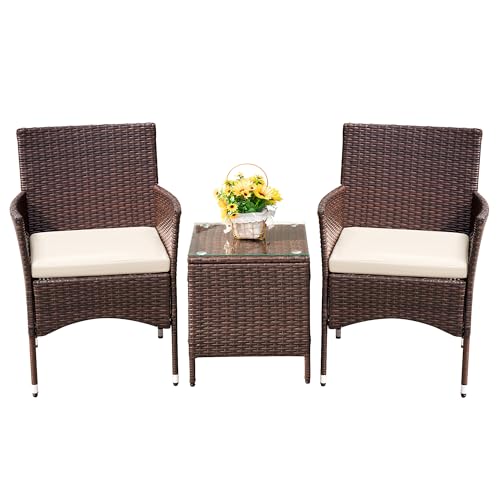
Crafting Quality Items from Natural Materials
I source premium vines, ensuring they are harvested sustainably. The selection of quality materials is essential for durability and aesthetics. Each stem is inspected for flexibility and strength, allowing for intricate designs while maintaining structural integrity.
Steam bending plays a critical role in shaping. By applying heat and humidity, I can manipulate the vines, achieving smooth curves and elegant lines. This method not only enhances comfort but also contributes to visual appeal.
After shaping, I focus on weaving techniques. A combination of tight and loose patterns provides both resilience and style. I experiment with various designs, incorporating additional elements like cushions made from natural fabrics, enhancing comfort and overall look.
Finishing touches are crucial. Applying eco-friendly varnishes protects items from moisture and UV damage while showcasing the natural beauty of the materials. Regular maintenance advice includes using a soft cloth for cleaning and avoiding harsh chemicals, ensuring longevity.
Finally, thorough quality checks are conducted. Each piece is evaluated for craftsmanship before it reaches the customer, ensuring satisfaction with the final product.
Sourcing Quality Rattan Materials
Prioritize selecting rattan sourced from sustainable plantations, ensuring long-term viability. Investigate certifications such as Fair Trade or Rainforest Alliance, which indicate ethical practices within the industry.
Request samples from suppliers to evaluate durability, flexibility, and overall quality. A high-quality vine should be dense and have minimal blemishes. Pay attention to the color variation, which can indicate freshness and the method of harvesting.
Establish relationships with local artisans who specialize in crafting using these materials. Their insights into regional sourcing can lead to premium options that enhance design authenticity.
Consider the extraction process. Rattan harvested during specific seasons often results in superior material. It’s beneficial to inquire about these harvesting cycles to time acquisitions effectively.
Utilize trusted importers familiar with the market and compliance standards. This ensures alignment with legal regulations and reduces the risk of acquiring subpar goods. Regular visits to production sites can further strengthen partnerships and assure consistency in the raw materials received.
Engage in discussions with suppliers about sustainable practices, such as planting new shoots after harvesting, which supports ecological balance in the regions they operate. This commitment not only enhances brand reputation but also contributes positively to global efforts in conservation.
Monitor market trends in eco-friendly products. Adapt to shifting consumer preferences that favor sustainable and responsibly sourced items. Staying informed will provide a competitive edge while appealing to a conscientious customer base.
Ultimately, the selection of high-grade materials significantly influences the end product’s aesthetics and durability. Fostering a network of reliable sources and continually evaluating performance will assure the best qualities in finished creations.
Preparing Rattan for Furniture Construction
Choose suitable lengths of cane, ideally around six to ten feet, to minimize waste. Remove any thorns and joints to ensure a smooth surface. I prefer using a sharp blade for precise cuts, which significantly improves the quality of joints and connections in the final piece.
Soaking Process
Immerse the selected cane in warm water for several hours. This softening phase facilitates bending and shaping. I find that natural soaking yields better flexibility compared to using hot water, which can sometimes damage the fibers. After soaking, dry the cane thoroughly with a clean cloth to prevent moisture retention.
Splitting and Sizing
Utilizing a sharp knife, split the soaked cane into uniform strips. The ideal width can vary based on the design, but maintaining consistency in thickness enhances the overall aesthetic. For intricate designs, smaller strips work well. I often use a manual splitter for better control, especially for smaller dimensions.
After splitting, number the strips to keep track of their intended placement in the assembly phase. This organizational step aids in achieving a cohesive design. Follow up by lightly sanding rough edges to prevent splintering during the weaving process.
Once sized, the material is ready for assembly, ensuring a seamless transition to crafting the desired piece. Each step contributes to durability and aesthetic appeal, ultimately enhancing the end result.
Designing Rattan Furniture Pieces
Focus on ergonomics and aesthetics. Begin with sketches that consider both comfort and visual appeal. Take into account the lines, curves, and shapes that resonate with potential users.
Select colors and stains that complement the intended space. Natural finishes tend to highlight the organic qualities of the material, while painted options allow for personalization. Keep in mind the seasonal trends that affect color preferences.
Prioritize functionality. Pieces should not only be beautiful but practical. For example, ensure that seating options support various postures, catering to differing heights and weights.
Integrate cultural elements. Research and incorporate traditional patterns or methods from regions known for their craftsmanship. This can deepen the connection to the material and enrich the storytelling aspect of the design.
Collaborate with artisans. Engage skilled craftsmen during the design process. Their insights can provide invaluable perspectives on techniques and limitations, which could enhance the final product.
Consider sustainability. Source environmentally friendly finishes and approaches that minimize waste during production. This aspect can appeal to eco-conscious consumers and give a competitive edge.
| Design Element | Considerations |
|---|---|
| Form | Comfort, visual flow, and target demographic |
| Color | Current trends, space coordination, and user preferences |
| Functionality | Usage scenarios and adaptability for different users |
| Cultural Influence | Heritage techniques, patterns, and local artistry |
| Sustainability | Eco-friendly materials and production methods |
Test prototypes. Create models to evaluate both form and function. Collect feedback from target users to refine designs before mass production.
Document the design process. This record can serve as a valuable reference for future projects and helps in maintaining consistency throughout each creation.
Techniques for Weaving Rattan
Mastering various techniques is crucial for creating durable and aesthetically pleasing pieces. Start with the following methods:
- Traditional Weaving: This technique involves interlacing strips of the cane. Use a consistent tension throughout to prevent gaps. It’s typically employed for seat weaving and backrest designs.
- Flat Weave: Flat weaving creates a smooth surface ideal for tabletops and seating. Laying strips side by side and securing them allows a polished finish.
- Round Weave: For curved surfaces, opt for round weaving. Utilize flexible strands to wrap around a framework, ensuring an even distribution.
- Braiding: Introduce texture by braiding multiple strips together. This method enhances visual interest, perfect for accents and trim.
- Coiling: Technique suited for round or soft-shaped objects. By spiraling the strips, you achieve intricate designs while maintaining structural integrity.
When executing these weaving styles, focus on the following:
- Ensure all materials are soaked adequately to enhance flexibility.
- Use a variety of strip widths for unique textural effects.
- Continuously check for tightness as weaving progresses to avoid loosening over time.
Experiment with these methods to discover creative combinations, enhancing functionality while delivering an artistic touch to your craftsmanship.
Creating Frames and Structure for Durability
Prioritize a robust framework to ensure longevity in each piece. Strong joints, optimal material selection, and precise dimensions are fundamental.
Utilize the following steps and tips for constructing a durable base:
- Choice of Wood: Opt for hardwoods such as teak or mahogany for the frame. Their resistance to weather and wear is essential.
- Joint Techniques: Use mortise and tenon joints or dovetail connections. These methods provide enhanced strength compared to simple butt joints.
- Dimensions: Frame dimensions should be proportionate to the intended use. Oversized pieces may require additional support, while undersized frames can compromise stability.
- Ground Preparation: For outdoor items, ensure the legs are slightly elevated or designed to prevent direct soil contact, minimizing decay risk.
Incorporate reinforcement elements, such as corner brackets or additional bracing. Evaluating structural integrity during the design phase will lead to improved performance and durability.
Lastly, regular inspections and maintenance are crucial. Checking for loose connections or wear can extend the lifespan significantly.
Finishing and Treating Rattan Furniture
Applying a protective finish to woven pieces enhances durability and aesthetic appeal. I recommend using natural oils or eco-friendly varnishes, securing a barrier against moisture and UV rays.
Steps to consider:
- Ensure the surface is clean and free from dust.
- Apply a thin layer of oil, such as linseed or tung oil, with a soft cloth, working in the direction of the grain.
- Allow drying time between applications, generally 24 hours.
- For added protection, seal with a water-based clear coat after the last oil application.
Regular maintenance is necessary. I recommend dusting weekly and reapplying oil every six months to maintain the finish.
To treat any scuffs or scratches, use fine-grit sandpaper gently, followed by a touch-up with the finishing oil.
For added charm, consider staining the material before sealing. Test on a small patch to ensure satisfaction with the color.
Be cautious with exposure to direct sunlight and humidity; consistently check for signs of wear or damage. Rot can be addressed by performing repairs immediately, replacing any weak fibers.
By following these guidelines, longevity and beauty of woven creations can be preserved effectively.
Maintenance Tips for Rattan Furniture
Regular dusting using a soft cloth prevents dirt accumulation. For deeper cleaning, add a mild soap solution to warm water, dampen a cloth, and wipe down surfaces. Ensure no moisture is trapped in joints as it can lead to mold growth.
Apply a protective finish every 6-12 months to enhance durability. Choose a product specifically designed for woven materials. This shields against moisture and UV rays, maintaining the integrity of structures over time.
Keep furniture away from direct sunlight to prevent fading and drying out. If placed outdoors, utilize an umbrella or canopy for shade. When not in use, consider covering pieces with breathable fabric to protect against dust and pests.
Inspect joints and connections periodically. Tighten any loose elements to ensure stability. This routine check can extend the lifespan significantly, minimizing potential damage.
Store items in a climate-controlled environment during off-seasons. Extreme temperatures and humidity may compromise the weaving, leading to fragile structures. If possible, stack lighter pieces to save space while avoiding stress on structural components.
For spills, act quickly. Blot the area with a clean cloth and a mixture of water and vinegar to neutralize odors. Avoid saturating the fibers; instead, dry immediately with a towel.
Use coasters and mats to prevent scratching surfaces. These protective layers help maintain the beauty of the material, especially on tabletops and seating.
Understanding the Environmental Impact of Rattan Production
Responsible sourcing practices contribute significantly to reducing the ecological footprint associated with this industry. Cultivating plants sustainably, preserving natural habitats, and ensuring fair trade practices can mitigate adverse environmental effects.
The benefits of using natural fibers extend beyond aesthetic appeal. They include carbon sequestration, soil stabilization, and promoting biodiversity. Choosing suppliers who adhere to sustainable harvesting methods ensures that these vital ecosystems are not compromised.
Investing in certification systems that verify sustainable practices provides consumers with reliable information. Organizations like the Forest Stewardship Council (FSC) offer certifications that guarantee eco-friendly harvesting methods, supporting reforestation efforts.
It is also crucial to assess the transportation impacts of these materials. Opting for locally sourced alternatives minimizes carbon emissions associated with shipping. This not only supports local economies but also reduces reliance on fossil fuels.
| Factor | Impact |
|---|---|
| Sustainable Harvesting | Maintains biodiversity and ecosystem health |
| Certification Systems | Provides transparency and promotes eco-friendly practices |
| Local Sourcing | Reduces transportation emissions and supports communities |
Increased awareness and education about sustainable practices play a crucial role in shaping consumer choices. By prioritizing environmentally friendly options, the demand for responsible production can drive positive change across the industry.