Caleb Turner

Regular maintenance of outdoor seating pieces enhances their longevity and sustained appearance. Begin with a gentle rinse using lukewarm water to eliminate dust and debris. A mild soap solution can effectively tackle more stubborn stains without damaging the material.
For fabric items, utilizing a soft brush or sponge works wonders in preserving the texture and color. Always remember to perform spot cleaning immediately after spills to prevent stains from setting in. A fabric protector treatment can be applied seasonally to ward off potential damage from UV rays and weather conditions.
Wooden elements deserve particular attention. Conditioning the wood every season with a quality polish not only nourishes it but also protects against moisture and fading. Avoid abrasive cleaners, as these can scratch and dull the finish. Regular inspections for signs of wear will help in addressing minor issues before they escalate.
Storing lightweight pieces indoors during harsh weather can significantly reduce wear and tear. Using covers that are breathable prevents moisture buildup while still offering protection from dirt and potential damage. Following these practices ensures that these pieces continue to bring comfort and style to any outdoor space.


Care Tips for Homecrest Products
Regular cleaning involves using a mild soap solution with a soft cloth. This method prevents dirt buildup without damaging. Rinse thoroughly to avoid soap residue.
Protective covers are recommended during harsh weather or extended periods of non-use. These covers maintain appearance and longevity, shielding from UV rays and moisture.
Inspect regularly for any signs of wear, such as fading or rust. Address minor issues early to avoid more significant damage down the road.
For metal elements, applying a light coat of automotive wax can guard against scratches and oxidation, enhancing shine and protection.
Table for Maintenance Schedule:
| Task | Frequency |
|---|---|
| Wipe down surfaces | Weekly |
| Inspect for wear | Monthly |
| Apply protective wax | Twice a year |
| Deep cleaning | Seasonally |
Cushions should be regularly flipped to maintain shape. Opt for spot cleaning for stains, using a fabric cleaner specifically designed for outdoor upholstery.
Cleaning Techniques for Different Fabrics
For polyester upholstery, use a mixture of mild soap and water. Dampen a soft cloth with the solution and gently blot the stained area. Rinse with a clean damp cloth to remove any soap residue.
Cotton fabrics can benefit from a light vacuuming followed by spot cleaning with a solution of vinegar and water. Apply it with a soft sponge, blotting rather than rubbing to lift dirt.
Microfiber Maintenance
When dealing with microfiber, a soft brush works wonders for removing dust and debris. For stains, a mixture of water and a small amount of dish soap can be used; apply sparingly and wipe with a clean cloth.
Leather Care
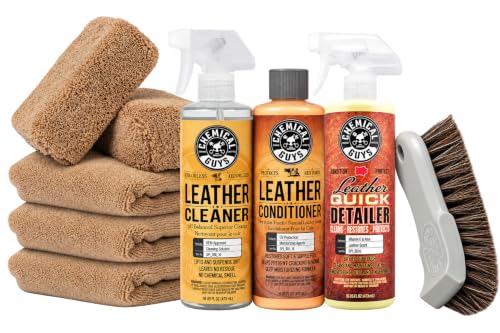
Leather requires a specialized cleaner or a mixture of equal parts vinegar and water for spot cleaning. Always follow up with a conditioner to maintain suppleness and avoid cracks.
Protection from Sunlight and Weather Elements
Covering outdoor pieces with protective furniture covers prevents UV damage and shields against moisture. These covers should be breathable to avoid mildew. Choosing covers with UV-resistant materials maintains color integrity and prolongs lifespan.
Placement and Orientation
Positioning seating away from direct sunlight minimizes fading and heat exposure. If possible, using umbrellas or awnings provides additional shade. Regularly rotating the arrangement helps equalize wear from sun exposure.
Seasonal Preparations
During extreme weather conditions, including storms or winter months, relocating items indoors is advisable. If storage isn’t an option, secure pieces with weights or tie-downs to withstand strong winds.
Deep Cleaning Methods for Outdoor Pieces
This process begins with removing any loose dirt and debris. A soft-bristled brush or a microfiber cloth efficiently eliminates surface dust without scratching the material.
Soapy Water Solution
Mix warm water with a mild dish detergent to create a gentle cleaning solution. Using a sponge or soft cloth, apply the mixture to the surfaces of outdoor items. Rinse thoroughly with clean water to avoid residue.
Stubborn Stains Treatment
For tougher blemishes, a paste made of baking soda and water can be applied directly to the affected area. Allow this paste to sit for 15-20 minutes before scrubbing gently with a sponge. Rinse well to ensure no baking soda remains.
To maintain the integrity of materials, avoid harsh chemicals and abrasive tools. Regular deep cleaning every few months prevents buildup and enhances the appearance, ensuring long-lasting beauty and functionality.
Tips for Maintaining Metal and Wood Components
Regular inspection of metal and wood parts is essential. Look for signs of rust on metal surfaces. If rust appears, gently scrub it with fine steel wool and apply a rust-inhibiting primer followed by touch-up paint.
Metal Maintenance
Use a mild detergent mixed with warm water for cleaning metal. A soft cloth or sponge works wonders. After cleaning, rinse with fresh water and dry immediately to avoid moisture buildup.
Applying a wax or silicone spray every few months not only enhances shine but also creates a protective barrier against the elements.
Wood Care
For wooden elements, dust regularly using a soft, dry cloth. Every few months, apply a wood conditioner or polish to maintain the finish and prevent drying or cracking.
If scratches occur, they can often be repaired with a touch-up pen in a matching color. Always test on a small area first.
Storage Solutions During Off-Seasons
Optimal storage during off-seasons prevents wear and maintains the quality of outdoor seating and tables. Start by selecting a clean, dry area that is sheltered from the elements. Here are effective strategies for stowing away furniture:
- Disassemble items when possible to save space. Remove cushions, legs, and other removable components.
- Utilize waterproof covers or breathable storage bags to shield against moisture and dust. Ensure they fit snugly to prevent shifting.
- Stack lightweight tables and chairs to maximize vertical space. Use furniture dollies for easier movement.
- Group similar pieces together. Keep seating with seating and tables with tables to streamline retrieval during the season.
Consider temperature fluctuations; storing in a controlled environment can prevent damage from humidity and extreme heat. For items with cushions, inflate or store vacuum-sealed for compactness, ensuring they remain dry. Regular checks during storage help catch any issues early.
Garden furniture can be stored in outdoor sheds or garages while ensuring proper ventilation to avoid mustiness. Avoid placing items directly against concrete, which can retain moisture. Using pallets or platforms elevates furniture off the ground. Using rust inhibitors on metal components reduces the risk of corrosion.
Implementing these preservation strategies will ensure the longevity and functionality of outdoor collections until they are ready for use again.
Identifying and Repairing Common Damage
Inspect regularly for scratches, dents, or tears. Small fabric tears can often be mended with a needle and thread, ensuring to match the thread color to the material. For deeper gouges on wooden surfaces, fill with matching wood filler and sand smooth before applying appropriate finish.
Metal components might show signs of rust; remove it using a mixture of vinegar and baking soda. Acidic solutions can clean and restore surfaces effectively. Always follow up with a protective coat to prevent further corrosion.
Fading upholstery from sun exposure can be mitigated by rotating cushions occasionally. If fading occurs, consider using fabric dyes or professional reupholstery to restore color vibrancy.
For awkwardly shaped damages, like broken frames, apply wood glue for a secure bond, and clamp until set. If parts are missing, look for replacement pieces that are available from manufacturers or custom shops specializing in repairs.
Addressing loose connections in metal fittings is essential. Tighten screws or replace missing hardware to restore stability. Regular checks will prevent breakdowns and prolong lifespan.
If stains appear, act quickly with a fabric-safe cleaner. Blot, don’t rub, to lift the stain effectively without damaging the surface. In stubborn cases, professional cleaning might be a worthy investment.
FAQ:
What materials are Homecrest furniture made from, and how should I maintain them?
Homecrest furniture is commonly made from a variety of materials including aluminum, resin, and fabrics. To maintain aluminum components, regularly clean them with a mild soap solution and water, ensuring to rinse thoroughly to prevent soap residue. For resin materials, a soft cloth and gentle cleaning agent can help to keep them looking fresh. Upholstered pieces should be vacuumed regularly and spot-cleaned using appropriate fabric cleaners to avoid stains.
Can I leave my Homecrest outdoor furniture outside all year round?
While Homecrest outdoor furniture is designed to withstand outdoor conditions, it is recommended to store it indoors or cover it during extreme weather conditions. Prolonged exposure to harsh elements like snow, ice, or intense sunlight can lead to deterioration over time. Using protective covers can help extend the life of your furniture and maintain its appearance.
How can I remove stains from my Homecrest fabric furniture?
To treat stains on Homecrest fabric furniture, first blot the stain gently with a clean cloth to absorb excess liquid. Then, use a mixture of mild detergent and water to lightly scrub the stained area. Avoid soaking the fabric, and rinse the area with a damp cloth to remove any detergent residue. If the stain persists, consider using a specialized fabric cleaner according to the manufacturer’s instructions. It’s always advisable to test any cleaning solution on a hidden area first.
Is there a specific way to store Homecrest furniture during the off-season?
Yes, storing your Homecrest furniture properly during the off-season helps preserve its condition. Clean all pieces thoroughly and ensure they are dry to prevent moisture buildup. For outdoor furniture, stack chairs and tables if possible to save space. Use protective covers to prevent dust accumulation. If storing indoors, place furniture in a cool, dry area, avoiding spaces where it could be exposed to temperature fluctuations.
Are there any special care instructions for maintaining the finish on Homecrest metal surfaces?
To maintain the finish on Homecrest metal surfaces, clean them periodically with a mild soap and water mixture, followed by a thorough rinse. Avoid using abrasive cleaners or scrubbers that may scratch the finish. Inspect the surfaces for signs of wear or damage, and apply a protective wax or sealant designed for outdoor metal furniture as needed to protect against corrosion and extend the life of the finish.
What are the best cleaning methods for Homecrest furniture?
To clean Homecrest furniture effectively, first identify the type of material, as cleaning methods can vary. For aluminum frames, a mixture of mild soap and water is usually sufficient. Use a soft cloth or sponge to avoid scratching the surface. For cushioned seats, check the care tags for specific instructions; often, a gentle upholstery cleaner or just water with a little dish soap can do the job. Always air dry the cushions completely before using them again to prevent mildew. Avoid harsh chemicals or abrasive cleaners, as they can damage the finish or fabric. Regular maintenance, such as wiping down surfaces and dusting, will help keep your furniture looking its best.