
 Caleb Turner

Opt for finishes that align with your desired aesthetic–either polished or matte. Polished variants reflect light beautifully, giving an elegant and modern appearance. On the other hand, matte finishes can impart a more understated, industrial look while effectively hiding fingerprints and minor scratches.
Considering the surrounding elements is essential. Match tones with existing decor for a harmonious environment. For a contemporary setting, silver or chrome might be preferable, while warmer tones like bronze can complement rustic or traditional interiors.
Additionally, finishes can offer varying levels of durability. Metallic coatings can enhance resilience against rust and wear, making it practical for outdoor or high-traffic areas. Assess the specific use and environmental factors to achieve longevity in your metallic choices.
Lastly, keep in mind the potential to customize hues. Some manufacturers provide options to tailor shades, allowing for a perfect match with your vision. Exploring specialized coatings could add a unique flair to your metallic pieces.
Options for the Hue of Metal Creations
For those looking to enhance their living spaces or outdoor areas, I recommend considering shades that complement your existing decor. Metallic pieces often come in polished silver, brushed aluminum, and matte finishes. These provide a modern, sleek appearance ideal for contemporary settings.
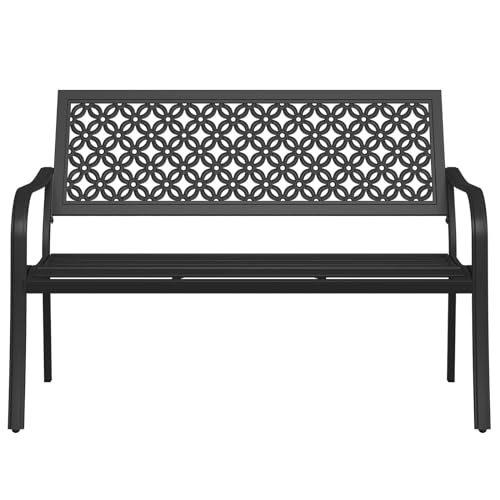


On the other hand, powder-coated surfaces offer a broad spectrum, from classic black and white to bold reds, greens, and blues. These colorful coatings not only add personality but also protect against corrosion.
For rustic themes, bronze or copper finishes can evoke warmth and charm, blending seamlessly with natural materials like wood or stone. Mixing different tones can create visual interest, allowing you to achieve a unique look.
Further, it’s wise to consider the space’s lighting. Metallic reflections can change dramatically under varied lighting conditions, so test samples in your environment to see how they interact with light throughout the day.
Lastly, don’t shy away from experimenting. Combining various hues and textures can produce striking effects and keep your areas feeling fresh and dynamic.
Factors Influencing Alloy Furniture Color Choices
Choosing the hue of metallic pieces requires careful consideration of various elements that can impact the final appearance and harmony within a space.
1. Environmental Context
- Surrounding colors: Analyze hues present in adjacent walls and decor; complementary shades enhance aesthetics.
- Lighting: Different types of illumination, such as natural sunlight or artificial lights, can alter the perception of tones significantly.
2. Material Composition
- Base metals: The underlying material influences finish outcome; for instance, aluminum often reflects light differently than steel.
- Coating techniques: Powder-coating or anodizing adds unique finishes that can offer a wide variety of looks.
Understanding these factors helps align visual goals with practical choices, ensuring a cohesive design while maximizing appeal in any setting.
Popular Trends for 2023 in Metal Creations
For 2023, opt for hues inspired by nature, such as earthy greens and muted browns. These tones can create a calming atmosphere and blend seamlessly with surrounding elements.
Metallic finishes are rising in popularity, particularly antique brass and brushed nickel. These provide a sophisticated touch while maintaining a modern flair.
Bold, saturated shades like deep blue and emerald green are gaining traction for statement pieces. Pairing these vibrant options with neutral accents enhances their visual impact.
Soft pastels are also making a comeback, offering a fresh look ideal for minimalist settings. Think about pale pinks and gentle blues for a serene aesthetic.
Monochromatic schemes remain a go-to choice. Utilizing various shades of the same hue adds depth and cohesion to any space.
Limited yet striking combinations, such as black and gold or navy and silver, create a luxe feel without overwhelming the senses.
Incorporating texture through finishes can elevate the overall look. Matte surfaces are becoming more prevalent, offering a more understated elegance than glossy options.
Consider seasonal trends as well; warmer tones are more inviting in colder months, while cooler shades can refresh spaces during summer.
For 2023, I’m excited to see how these combinations can transform living and work environments, making them not only functional but also visually appealing.
How to Choose the Right Tone for Your Space
Consider using a neutral base to create a balanced atmosphere. Hues such as beige, gray, or soft white provide versatility and can complement various other shades seamlessly.
Identify your personal style. If you lean toward minimalist aesthetics, opt for muted tones. For a more eclectic vibe, consider incorporating bold, saturated shades that reflect your personality.
Evaluate the lighting in your area. Natural light enhances lighter shades, while darker tones might absorb light, creating a cozy, intimate feel. Test samples in different lighting conditions to see how they evolve throughout the day.
Think about the intended function of the space. Calm, soothing shades work well in relaxation areas like bedrooms, while energizing tones can enhance the vibe in social settings like living rooms or kitchens.
Observe the other elements in your space, such as artwork, textiles, and flooring. Select tones that harmonize with these existing features, creating a cohesive and inviting environment.
Keep in mind the size of the room. Lighter shades can make a smaller area feel more spacious, while deeper tones might make larger spaces feel cozier and more intimate.
Finally, trust your instincts. Ultimately, the palette that resonates with you will create a space where you feel most comfortable and at home.
Maintenance Tips for Preserving Alloy Furniture Color
Regularly clean surfaces with a mixture of mild soap and warm water to remove dirt and grime. Avoid harsh chemicals that can strip the finish, opting instead for soft cloths for cleaning.
To protect surfaces from scratches, use coasters and placemats. This simple step helps maintain the appearance by preventing wear from everyday use.
Consider applying a protective sealant designed for metal finishes every few years. This layer acts as a barrier against the elements and helps maintain brightness and sheen.
Store items indoors when not in use, especially in extreme weather conditions. Prolonged exposure to moisture or direct sunlight can fade and dull finishes.
Wipe up spills immediately to prevent staining and corrosion. Persistent moisture can lead to longer-term damage that affects visual appeal.
For outdoor items, use a cover during inclement weather to shield against rain and snow. Proper storage can significantly extend the lifespan of appealing hues and overall look.
Opt for a touch-up paint specifically formulated for metal surfaces if you notice chips or scratches. This will help restore flawed areas and keep the overall aesthetic intact.
Custom Color Options for Alloy Furniture
Consider exploring powder coating as an alternative finish for your metallic pieces. This process allows for a durable, colorful top layer that can withstand various environmental factors.
For personalized aesthetics, I recommend mixing metallic and matte finishes. Combining these textures can create a striking visual contrast, enhancing the design’s appeal.
In addition to traditional shades, think about incorporating pastels or vivid hues to make a statement. Research shows that brighter tones can energize a space, while softer shades promote calmness.
Utilize a color wheel to identify complementary or analogous hues that work harmoniously with your chosen palette. This approach can guide you in selecting paint or fabric to create a cohesive look.
Considering seasonal trends is also valuable. For example, earthy tones reflect a growing appreciation for nature-inspired decor, while bold colors align with contemporary styles. Here’s a table summarizing popular options:
| Shade Type | Examples |
|---|---|
| Light Tones | Pale Blue, Soft Pink, Mint Green |
| Earthy Hues | Terracotta, Olive Green, Deep Brown |
| Bold Colors | Crimson Red, Royal Blue, Sunshine Yellow |
| Metallic Finishes | Bronze, Gold, Silver |
Consult with a local custom shop to explore specific finishes that enhance both aesthetics and performance. They can provide samples to visualize how chosen options will fit within your setting.
Lastly, think about the long-term implications of your selections. Lighter shades may require more upkeep, while darker tones often hide imperfections better, making them suitable for outdoor settings.
Impact of Light on Alloy Furniture Color Perception
Direct sunlight can significantly alter how shades appear. For instance, placing metallic pieces in brighter areas often enhances their reflective qualities, leading to a more brilliant appearance. In contrast, placing these items in dimly lit settings may make them appear muted or dull.
Consider these factors when assessing the effect of illumination:
- Natural Light: Morning light may impart a warmer tone, while afternoon rays can lend a cooler quality to finishes.
- Artificial Light: Incandescent bulbs may create a yellow hue, affecting the perception of shades, whereas LED options typically provide a more neutral light.
- Light Direction: Side lighting can emphasize textures, while overhead sources may flatten appearance.
Experimenting with placement can yield surprising results. I suggest moving items to different locations during various times of the day to see how the changing light influences their appearance. Documenting these shifts can guide future arrangements, ensuring that the aesthetic aligns with your vision.
For outdoor settings, protective coatings are advisable to minimize fading from prolonged exposure to UV rays. Indoor pieces benefit from occasional rotation, refreshing their look by altering light exposure.
Ultimately, understanding how different light sources impact the perception of shades aids in making informed decisions that harmonize with overall decor. Carefully considering these elements can enhance one’s environment significantly.
FAQ:
What are the most common colors for alloy furniture?
Alloy furniture typically comes in a variety of colors. The most common colors include metallic shades like silver, gray, and bronze. These finishes enhance the industrial look of the furniture and are popular in modern designs. Additionally, matte black and white are widely used for a sleek, minimalist aesthetic. Some manufacturers also offer custom color options or powder coating, allowing for bolder hues like red, blue, or green, catering to diverse interior design styles.
Does the color of alloy furniture affect its durability?
The color of alloy furniture itself generally does not impact its durability, as the material’s strength comes from the alloy composition rather than the finish applied. However, the type of coating can play a role in resistance to scratches, corrosion, and fading. For instance, powder-coated surfaces may offer a more durable finish compared to standard paint, helping the furniture maintain its color and appearance over time. Therefore, when choosing alloy furniture, it’s important to consider both the color and the quality of the finish for longevity.
Can I customize the color of my alloy furniture?
Yes, many companies offer customization options for alloy furniture. This can include choosing a specific color, finish, or texture that fits your personal style or interior décor. Customization might involve powder coating, anodizing, or applying other finishes. It’s advisable to check with the manufacturer or retailer about available options, as customization can sometimes incur additional costs and may have longer lead times. Always ensure that the finish you choose is suitable for the furniture’s intended use, especially in outdoor settings where color longevity is crucial.
Are there color trends for alloy furniture in interior design?
Yes, color trends for alloy furniture often reflect broader interior design trends. Currently, earthy tones like olive green and terracotta are becoming more popular, as are neutral colors such as beige and taupe. These shades can create a warm, inviting atmosphere. Metallic finishes remain classic, and there’s a growing interest in bold colors that add a pop of excitement to spaces. Ultimately, the choice of color should align with the overall theme and mood you wish to create in your space, allowing for personal expression while remaining stylish.


