
 Caleb Turner
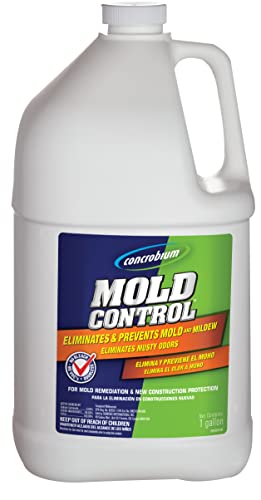
If you notice a dark patch on your wooden items, tackling it right away can prevent further damage. First, prepare a simple solution by mixing equal parts of water and white vinegar in a spray bottle. This natural agent not only disinfects but also helps eliminate the unwelcome growth effectively.
Spray the mixture directly onto the affected area, allowing it to sit for about 10 minutes. Afterward, take a soft cloth or sponge to gently scrub the surface. For stubborn spots, a soft-bristled brush might be necessary to lift the residue without scratching the wood.
After cleaning, wipe down the area with a damp cloth to remove any remaining solution. Make sure to dry the surface completely afterward, as dampness can promote further problems. To minimize recurrence, consider placing the wood in a well-ventilated space and controlling humidity levels.


How to Tackle Fungal Growth on Wooden Pieces
First, I’ll gather a soft brush or cloth to gently scrub the affected surfaces. This minimizes scratching while effectively dislodging the unwanted growth. Next, a solution of equal parts vinegar and water can be applied. Vinegar is a natural antibacterial agent. Using a spray bottle, I’ll mist the mixture onto the area and let it sit for about 15 minutes to take effect.
Application of a Baking Soda Paste
For persistent spots, combining baking soda with water to form a paste is highly advisable. I apply this paste directly onto the stained area, allowing it to dry completely before scrubbing it off with a damp cloth. This method not only eliminates the discoloration but also helps to absorb any residual moisture.
Finalizing with Proper Drying Techniques
After cleaning, ensuring that the area is adequately dried is imperative. I utilize a fan or maintain good airflow in the space to expedite the drying process. Regularly checking for reoccurrence is key, so I also implement preventive strategies, such as maintaining lower humidity levels and frequent inspections.
Identifying Signs of Infestation on Wooden Pieces
First, inspect for any dark spots or patches on the surface. These can indicate the presence of unwanted growth. Pay attention to areas where moisture accumulates, as these are prime locations for infestation. Look under items or inside drawers where humidity may be higher, often hidden from plain sight.
Texture and Odor Changes
Feel the texture of the surface. If it appears fuzzy or has a cotton-like consistency, it’s a sign of growth. Additionally, a musty or damp odor is a strong indicator that unsettling spores might be present. Even if the surface looks clean, unpleasant smells often suggest an underlying issue.
Color Variations and Peeling Finishes
Observe for any discoloration, including yellow, green, or black hues. If you notice paint or varnish peeling or flaking away, it can indicate damage caused by unwanted organisms. Regular monitoring of these signs will aid in timely detection and maintenance of your wooden pieces.
Preparing the Area for Mold Removal
I clear the surrounding space to ensure safety and a smooth cleanup process. Start by moving any nearby items away from the affected area. This helps prevent cross-contamination and allows for better access to the surfaces needing attention.
I ensure the room is well-ventilated. Opening windows and using fans can facilitate air circulation, reducing humidity and allowing any lingering spores to disperse. If viable, I fill a bowl with vinegar nearby; its natural properties can assist in deterring spores during the cleaning process.
I put on protective gear, including gloves, a mask, and goggles, to shield myself from potential allergens. This minimizes the risk of inhalation or skin contact with any harmful particles.
If the item in question is large, such as a cabinet or table, I carefully assess if it can be moved outdoors for cleaning. Outdoor cleaning can prevent contaminating my indoor environment.
I gather my cleaning supplies and tools, ensuring I have everything on hand. This includes scrub brushes, rags, and appropriate cleaning solutions. Having a bucket for easy transportation of supplies is also helpful.
I take note of any sources of moisture nearby, like leaks or condensation. Addressing these issues contributes to preventing future growth.
Choosing the Right Cleaning Solution for Mold
Opt for a solution that combines water and white vinegar in equal parts. This is a natural method that effectively targets fungal growth without damaging surfaces. Alternatively, using a mixture of soap and warm water can be beneficial for initial cleaning. Aim for a gentle dish soap to avoid harsh chemicals.
Chemical Options
If the natural remedies do not suffice, consider store-bought products specifically formulated for biological threats. Look for those containing ingredients like hydrogen peroxide, which can eliminate spores. Always read labels to ensure compatibility with your items.
Application Approach
Before applying any chosen cleaner, test it on a hidden area to verify that it will not discolor or damage the finish. After confirming its safety, use a soft cloth or a sponge for application, gently scrubbing the affected area. Ensure good ventilation by opening windows or using fans, helping to disperse any vapors released during cleaning.
Thorough rinsing and drying are key. Afterward, consider sealing the freshly treated surfaces with a protective varnish or sealant to bolster resistance against future infestations.
Step-by-Step Process for Cleaning Mold from Wood
Prepare a solution by mixing equal parts of water and white vinegar in a spray bottle. Vinegar is effective against many types of fungal growth.
Next, don protective gear, including gloves and a mask, to avoid inhaling spores or contact with cleaning agents.
Apply the vinegar solution directly onto the affected areas. Make sure to saturate the surfaces well for thorough treatment.
Allow the solution to sit for at least 10 minutes. This wait time lets the vinegar penetrate and inhibit fungal growth.
Afterward, take a soft-bristle brush or cloth and scrub the area gently. Focus on crevices or details where particles may hide.
Use a clean, damp cloth to wipe away any residues and excess moisture. It’s crucial to avoid saturating the wood, as this can lead to more issues.
For persistent areas, consider using a baking soda paste (baking soda mixed with water) to address stubborn spots. Apply it and let it sit for additional cleaning power.
Once the surfaces are clean, ensure proper ventilation in the area to facilitate drying. Open windows or use fans to improve air circulation.
After drying completely, inspect the treated areas and repeat the process if necessary. Regular monitoring is key to preventing future occurrences.
| Step | Description |
|---|---|
| 1 | Create cleaning solution with vinegar and water. |
| 2 | Wear gloves and mask for protection. |
| 3 | Spray affected areas with the solution. |
| 4 | Let the solution sit for 10 minutes. |
| 5 | Scrub the area gently with a brush or cloth. |
| 6 | Wipe away residues with a damp cloth. |
| 7 | Consider using a baking soda paste for tough spots. |
| 8 | Ensure proper airflow for drying. |
| 9 | Inspect and repeat if necessary. |
Preventing Future Fungal Infestations on Furniture
To deter future infestations, maintain low humidity levels in your living space. Aim for a humidity level below 50%. Use dehumidifiers in damp areas and ensure proper ventilation in rooms like kitchens and bathrooms.
Regular Cleaning Routine
Establish a consistent cleaning schedule for all surfaces, particularly in humid environments. Dust and wipe down surfaces weekly, using a microfiber cloth and a gentle cleaning solution. This practice minimizes dust accumulation, which can attract spores.
Immediate Response to Spills
Address spills and moisture promptly; dry any wet areas within two hours. Utilize absorbent towels or cloths to soak up liquids, and ensure adequate air circulation to assist in drying.
- Store items in sealed containers to prevent moisture exposure.
- Apply a protective finish to wooden surfaces, enhancing moisture resistance.
- Avoid placing wooden pieces against exterior walls, where condensation may occur.
- Inspect furniture regularly for any signs of discoloration or dampness.
Implementing these strategies will significantly reduce the likelihood of fungal growth and prolong the lifespan of your wooden pieces.
When to Seek Professional Help for Mold Issues
Consider contacting experts if you observe extensive growth covering large areas, surpassing a few square feet. This indicates a potential underlying issue that requires specialized knowledge.
If you have respiratory conditions or sensitivities, engaging with professionals ensures that the removal process is handled safely, protecting your health throughout the procedure.
Indicators for Professional Assistance
- Severe infestation affecting multiple items
- Persistent odor even after cleaning attempts
- Recurring issues despite preventive measures
- Presence of wood decay or structural damage
- Applicable local laws regarding hazardous substances
Benefits of Professional Services
- Access to advanced equipment for thorough inspection and remediation
- Expertise in identifying root causes of growth
- Safe disposal of contaminated materials
- Recommendations on preventive measures tailored to your environment


