
 Caleb Turner
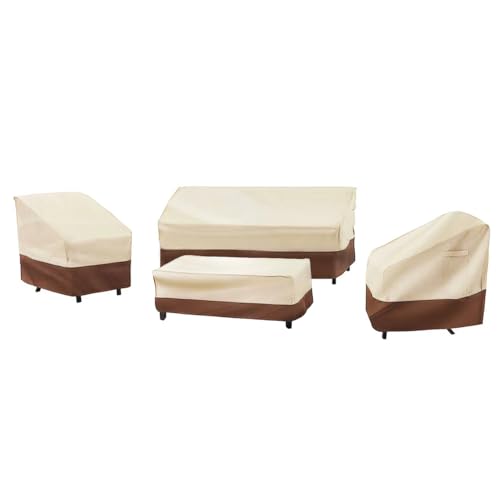
First, gather a measuring tape to ensure precision. Begin by assessing the width and depth of each piece. For a table, measure from one edge to the opposite edge, capturing the widest point. When it comes to chairs, consider their height as well, measuring from the ground to the peak of the backrest, taking into account any armrests for a snug fit.
Next, it’s crucial to note the shape of your seating. Round tables will require a different approach compared to rectangular ones. Make sure to measure the diameter for circular options and the length for elongated varieties. If your seating arrangement includes sectional sofas, record the dimensions of each segment individually to understand how a protective layer can best cover them.
Lastly, allow for some additional space when selecting covers. This ensures that the protective layer won’t be too tight and can accommodate any potential movement or wind. A bit of extra room can make a significant difference in longevity and effectiveness, preserving the quality of your outdoor arrangements.
Accurate Dimensions for Outdoor Seating Protection
Begin with obtaining the height, width, and depth of each item. Use a tape measure for precision. For irregular shapes, it’s beneficial to take multiple measurements at different points to ensure a snug fit.
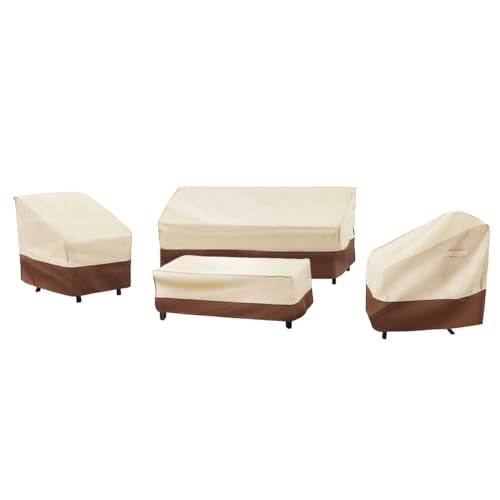

Record the height from the ground to the highest point. For width, measure across the widest area, noting any armrests or protruding sections. Depth should encompass the front to the back, ensuring that the measure includes any cushions or extensions.
In case of stacking chairs or sectional setups, account for how they align when positioned together or when stacked. If items have removable components, document their size both with and without these parts for adaptability.
After gathering all dimensions, consider adding a few extra inches to accommodate for ease of fitting and unexpected variations. This margin allows for breathability and ease during placement.
Finally, summarize all measurements in a clear format for reference. This helps in selecting the right protective gear that suits your outdoor pieces perfectly.
Identifying Key Furniture Dimensions
To ensure a proper fit for protective gear, I focus on these key dimensions:
- Width: Measure from the outer edges of the seating. For a chair, check the widest part, including armrests if applicable.
- Depth: For tables and seating, assess the distance from the front edge to the back. If it’s a cushion, consider thickness as well.
- Height: This includes the total height from the ground to the highest point. For seating, measure from the base to the top of the backrest.
- Diagonal Width: For items like loungers, measure corner to corner to get an accurate shape representation.
- Legroom: Ensure there’s adequate space under tables; measure from the ground to the underside of the tabletop.
Taking multiple measurements ensures coverage aligns perfectly with contours, reducing the risk of wearing or tearing over time.
Double-checking sizes is advisable, so feel free to write down your findings for each piece. It simplifies the process of selecting and ordering appropriate protective items.
Choosing the Right Measuring Tools
For precise dimensions, I rely on a few key tools. A flexible tape measure is my go-to for capturing curves and tight spaces, ensuring I cover every angle of my seating and tables. Opt for at least 25 feet in length; this length allows me to work comfortably with larger items.
Digital Tools
In addition to traditional measuring tapes, I often incorporate digital laser measuring devices. These gadgets provide quick readings with impressive accuracy, particularly beneficial for larger setups or outdoor spaces. They eliminate the guesswork that comes with manual measuring and can save valuable time.
Notepad and Marker
Documentation is key. I keep a notepad and marker handy to jot down each dimension as I go. Having a clear record means I can avoid confusion later on and easily reference sizes when selecting protective wraps. Keeping my notes organized ensures that all the specified measurements are clear and accessible.
Measuring Different Types of Outdoor Seating
To get the right fit for protective coverings, it’s crucial to take precise dimensions of diverse seating options. Starting with lounge chairs, I find that measuring the width at the widest point, depth from the backrest to the front edge, and height from the floor to the top of the backrest captures all necessary details.
Dining Sets and Tables
For dining sets, I focus on the table first. I measure the length and width of the tabletop. Height matters too–ensure you note from the ground to the top surface. When it comes to the accompanying chairs, I measure each one similarly: width, depth, and height. This distinction guarantees that all pieces are covered adequately.
Other Outdoor Features
For other variations like fire pits or outdoor sofas, I recommend measuring the overall dimensions–width, depth, and height. For sectionals, it’s crucial to account for each individual piece. You should consider additional items like ottomans by measuring them in the same way to ensure they fit snugly under their respective coverings.
| Type of Seating | Width | Depth | Height |
|---|---|---|---|
| Lounge Chair | Widest point | Backrest to front edge | From floor to top of backrest |
| Dining Table | Tabletop length | Tabletop width | From ground to surface |
| Dining Chair | Width | Depth | Height |
| Fire Pit | Overall width | Overall depth | Overall height |
Being meticulous with these measurements prevents any surprises when fitting products. Each piece has unique contours and designs that require individual attention for a snug cover fit.
Accounting for Extra Features and Accessories
Consider additional elements such as cushions, umbrellas, tables with glass tops, or built-in storage compartments. These features can alter the measurements you need to account for.
Cushions
When cushions are involved, I include their thickness in my dimensions. They might add significant height to chairs and sofas, so I take them into account to ensure the chosen protection fits snugly without being overly tight.
Umbrellas and Other Additions
For items like umbrellas, I measure their base and canopy spread. This helps in selecting a cover that accommodates the full span, preventing awkward gaps or excess material. If any accessories are removable, I measure both with and without them to ensure flexibility in choice.
Finding the Ideal Cover Size
To achieve the perfect fit, ensure that you account for both the dimensions of your outdoor items and any unique attributes they possess. After determining the width, depth, and height, add an additional few inches to each measurement. This extra allowance facilitates ease of placement and avoids undue tension on the material.
Consider the shape of your pieces. Rectangular or square items may require typical measurements, whereas chairs and lounge units often necessitate a more tailored approach due to their varying contours. For circular tables, measure across the diameter and add for the overhang.
Inspect any accessories or features attached to your items. If your seating incorporates cushions, add their thickness to your calculations. Umbrellas or any additional components should also be considered, requiring potential modifications in sizing to accommodate their presence without straining the covering fabric.
Use a flexible measuring tape for precise results, especially when working around curves or unique angles. Ensure measurements are taken from the highest point for height and from the furthest edges for width and depth.
A well-fitted covering should maintain structural integrity while offering adequate space for air circulation. Aim for a snug yet accommodating size, keeping in mind environmental conditions that may affect wear and tear over time. Choose accordingly to help preserve your outdoor treasures.
Common Mistakes to Avoid When Measuring
Rushing the process can lead to incorrect dimensions. Take your time to ensure precision, as hasty actions often result in repeated measurements.
Neglecting to Account for the Shape
- Assuming all items have uniform dimensions can be misleading. Take note of unique contours and features.
- Measure all sides separately, especially for irregular shapes like circular tables or L-shaped sofas.
Ignoring Obstructions
- Clear the space around the items. Clutter can obstruct the measuring tape, leading to inaccurate data.
- Consider other elements like legs, wheels, or armrests that may affect the overall size.
Overlooking height is a significant mistake. Always include the vertical dimension, especially for taller pieces. This ensures the cover fits properly without being too loose or too tight.
Lastly, avoid relying solely on one measurement method. Cross-check your data using multiple approaches, such as a tape measure and a ruler, to verify accuracy.


