
 Caleb Turner
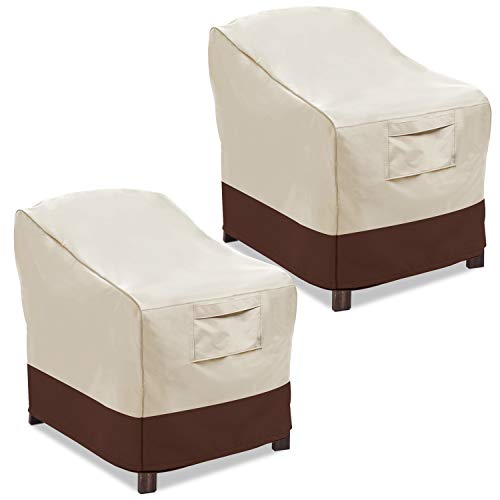
Utilizing an elevated design for the outdoor coverings is a straightforward method to reduce the issue of stagnant liquid. Adjusting the height by adding risers or supports will create a slant, allowing for better drainage and preventing pockets from forming.
In addition, selecting a material that incorporates water-repellent properties can significantly mitigate the problem. Fabrics designed specifically for outdoor use often feature coatings that resist moisture, making it harder for droplets to gather.
Regular maintenance is crucial. Periodically inspecting the surface for debris, like leaves or dirt, ensures there are no obstructions that hinder drainage. A quick clean-up after storms can make a substantial difference in preserving the integrity of the coverings.
Finally, employing a fitted design that securely wraps around the structure of the items will minimize the chances of sagging, thereby promoting efficient runoff. Tightening the fasteners or using bungee cords can enhance stability during adverse weather. Following these practices helps prolong the life and functionality of outdoor coverings.
Choosing the Right Material for Your Furniture Cover
Select a fabric with water-resistant properties, such as polyester or nylon, to ensure protection against precipitation. These materials often have a durable coating that repels moisture effectively.
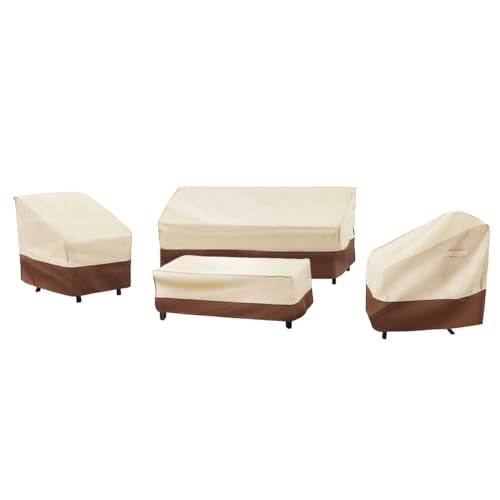


Consider breathable options like mesh or breathable fabrics to prevent mold and mildew buildup while still providing sufficient coverage.
- Polyester: Easy to clean, resistant to fading, and available in various weights.
- Nylon: Known for its strength and lightweight characteristics, making it suitable for easy handling.
- Vinyl: Offers excellent waterproof capabilities but may trap heat and humidity. Look for variants that allow airflow.
Reinforced seams enhance durability and resistance to wear and tear, ensuring longevity. Look for double-stitched seams that prevent fraying.
- Check for UV resistance to guard against sun damage.
- Opt for covers with adjustable straps or buckles for a secure fit during windy conditions.
- Evaluate ease of storage; lightweight materials are more manageable when not in use.
Prioritize materials that come with warranties, reflecting quality assurance from manufacturers. This can provide peace of mind regarding the longevity of your purchase.
Properly Securing the Furniture Cover Against Wind
Choosing high-quality straps or bungee cords is essential for securing the protective layer against strong breezes. I recommend selecting adjustable options that can adapt to changing conditions, ensuring a snug fit that stays in place.
Installation Tips
1. Attach straps at every corner for maximum stability.
2. Use additional ties around the sides to prevent flapping.
3. Ensure all fastenings are tightened before strong winds are expected, checking periodically for any loosening.
Material Considerations
Look for covers made from materials with built-in wind resistance features. Some fabrics include weighted hems or secure toggles to enhance stability in gusty conditions.
| Material | Wind Resistance | Durability |
|---|---|---|
| 600D Polyester | High | Long-lasting |
| Vinyl | Moderate | Very durable |
| Cotton Blend | Low | Wearable |
Taking the time to properly secure the protective layer not only extends its lifespan but also enhances the overall protection provided to your outdoor items.
Using a Patio Furniture Cover with Ventilation Features
I recommend selecting a protective layer equipped with built-in ventilation slots. These features promote airflow, allowing moisture to escape and reducing condensation. Look for models specifically designed with mesh or breathable fabric sections that maintain circulation while still guarding against debris and UV rays.
Ensure the cover fits properly over the seating elements to avoid any sagging. A tailored design minimizes pockets where liquid might accumulate. If a snug fit isn’t achievable, consider opting for covers with adjustable straps that can be tightened to enhance stability.
<p Regularly inspecting the cover for any trapped moisture or debris is crucial. If ventilation built into the product seems insufficient, using additional props–like inflatable cushions–underneath can create space for airflow, further enhancing the cover's performance.
Lastly, positioning furniture on slight inclines can also help direct any stray moisture away, working in tandem with the cover’s ventilation features. This combo ensures optimal protection against the elements.
Incorporating a Sloped Design for Water Runoff
A sloped design is crucial for preventing accumulation on protective coverings. By angling the surface where your cover sits, I can ensure that any precipitation flows off rather than collecting. Here are some practical steps to achieve an effective slope:
- Select a base or platform that is slightly elevated at one end, creating a natural incline. A rise of about 1 inch for every 10 feet is generally sufficient.
- Utilize sturdy supports or risers, such as bricks or blocks, to establish the desired gradient under the protective layer.
- Consider the placement of furniture; aligning it in a way that promotes natural drainage further enhances runoff.
- Regularly check for obstructions or debris that may hinder flow, and clean the area frequently to maintain a clear path for moisture.
Material Selection for Sloping
Choosing specific materials can complement a sloped setup:
- Opt for a flexible cover that can adapt to the slope without sagging.
- Look for designs that include built-in drainage channels to direct fluids away from the surface.
- Ensure the material has UV resistance to prevent deterioration from sun exposure at an angle.
By implementing a sloped configuration, I can significantly reduce the likelihood of standing liquid on the protective fabric, enhancing both its longevity and function.
Regular Maintenance and Inspection of Your Furniture Cover
I perform regular checks on my protective covering to identify any signs of wear or damage. Inspect seams and stitching for frays or gaps that could allow elements to seep through. Any small tears should be promptly repaired with a waterproof patch to extend the lifespan of the material.
I clean the surface periodically with a mild soap and water solution, avoiding harsh chemicals that might degrade the fabric. After cleaning, I ensure that the cover is completely dry before reapplying it. This helps to prevent mold or mildew from developing.
I also check for debris accumulation, as leaves or dirt can trap moisture against the material. A quick brush-off or rinse with a garden hose keeps the surface clear and promotes better drainage.
Adjustments to the fit of the covering are necessary to guarantee a snug wrap around the items beneath. Loose-fitting covers can lead to sagging and subsequent pooling in low spots. A regular inspection allows me to make any necessary tightening.
<pLastly, I always store my cover properly during extreme weather conditions, such as heavy storms or prolonged snowfall, to prevent excess strain on the fabric. By being diligent, I ensure that my protective covering remains effective and prolongs the life of my outdoor decor.
Utilizing Support Structures Underneath the Cover
I recommend placing a support system, such as a frame or strategically positioned objects, beneath the protective layer. This structure creates elevation, which allows liquids to flow off rather than gather. Use PVC or wooden poles at appropriate intervals to create a gentle slope, guiding any accumulation toward edges.
Additionally, employing materials like sturdy buckets or bins can achieve similar results. Position them strategically to provide stability and encourage drainage away from vulnerable areas. Ensure that these supports do not compromise the integrity of the material, as too much pressure could lead to tears or abrasions.
Regularly assess the stability of your support structures. Adjustments may be necessary to account for any settling or shifting caused by temperature changes or wear over time. This proactive maintenance will help avoid unforeseen issues with moisture accumulation.
Ultimately, a well-planned support framework not only reduces liquid buildup but also prolongs the life of your protective material, safeguarding your outdoor seating against the elements more effectively.
Recommendations for Rain-Resistant Furniture Covers
Select covers constructed from water-repellent materials such as polyester or vinyl, which are known for their durability and resistance to moisture accumulation. These choices typically feature reinforced seams and waterproof coatings to enhance their effectiveness.
Anti-Microbial Treatments
Consider selecting models that include anti-microbial treatments. This feature prevents mold and mildew growth, ensuring that the protective layer remains effective over time, even with exposure to rain.
Ease of Maintenance
Choose products that allow for machine washing or easy cleaning options. Regular upkeep will maintain the integrity of the cover and enhance its lifespan, ensuring that it continues to serve its protective purpose effectively.
Incorporate custom-fit designs that contour to specific shapes of your outdoor seating arrangements. This snug fit minimizes areas where moisture might collect and enhances the overall protection offered.
Seasonal Storage Solutions for Your Furniture Cover
During the off-season, selecting a dry and well-ventilated area for storing your protective equipment is crucial. Ensure the cover is completely clean and dry before folding to prevent mold growth. Opt for a breathable storage bag, which minimizes moisture buildup while keeping dust and dirt away.
Utilize shelving units to elevate the bags off the ground. This approach reduces contact with any potential dampness and allows for air circulation underneath. Avoid direct sunlight exposure which can lead to the deterioration of materials over time.
Incorporating silica gel packs into the storage area can help absorb excess humidity. These packs can effectively reduce moisture levels, safeguarding the integrity of the cover. Regularly check the environment for signs of dampness and adjust the storage conditions accordingly.
For covers designed with reinforced seams, rolling them instead of folding ensures that the structural integrity is maintained. Maintain a consistent inventory of any damages or wear, addressing them promptly to extend the lifespan of the protective equipment.
Consider using a dedicated storage container that can be sealed to prevent pests from causing damage. An organized approach not only protects the product but also makes it easier to set up when the season changes. This proactive management simplifies access and enhances the overall longevity of your protective gear.


