
 Caleb Turner
Consider placing citrus peels, such as lemon or orange, around the seating area. These natural repellents emit odors that many eight-legged creatures find unappealing, thus discouraging them from taking up residence.
Regularly inspect and clean your outdoor pieces to eliminate any webs or egg sacs. A quick once-over with a broom or vacuum can make a significant difference, ensuring that these critters remain at bay.


Utilizing essential oils is another tactic worth implementing. Scents like peppermint and eucalyptus can be diluted with water and sprayed around the perimeters of your outdoor settings, creating an invisible barrier that deters unwanted visitors.
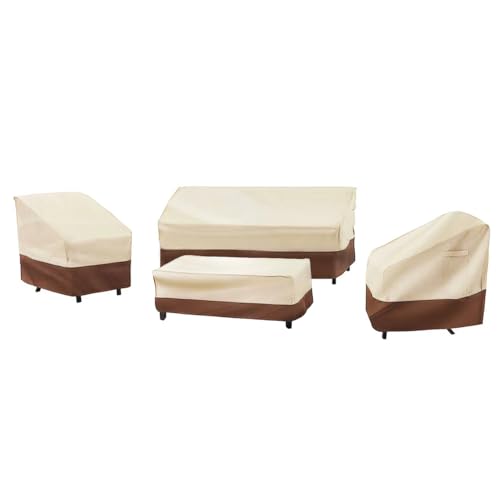
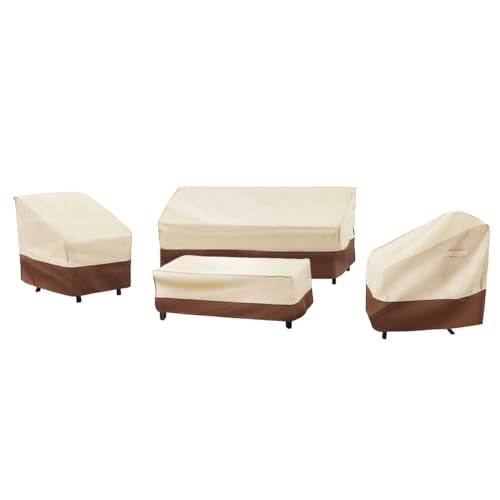
Creating physical barriers can also be beneficial. Investing in fitted covers can protect surfaces during periods of non-use, reducing the chances of arachnids settling in. Additionally, keeping nearby vegetation trimmed can limit hiding places and nesting opportunities.
Finally, consider planting species known to repel arachnids, like marigolds or lavender. Their natural fragrances can serve dual purposes, adding beauty to the surrounding area while helping to keep nuisances away.
Preventing Arachnids from Outdoor Seating
I recommend regularly cleaning the area surrounding your seating to deter unwanted eight-legged visitors. Remove debris, leaves, and dust, as these create ideal habitats. Regular upkeep reduces attractiveness to these creatures.
Utilize Natural Repellents
Invest in natural deterrents such as essential oils. Spraying a mixture of peppermint or citrus oil diluted in water on surfaces can create an unpleasant environment for them. Reapply this solution every few weeks or after rain.
Strategic Placement
Position your seating away from dense vegetation and overhanging branches. Such locations often serve as pathways or nesting spots for those insects. Creating an open space helps minimize their access.
Consider installing sealed storage options for cushions and pillows when not in use. This prevents these items from attracting attention and serves as an additional barrier.
Identify Common Spider Species in Your Area
Recognizing the prevalent arachnids in the vicinity helps tailor preventive measures effectively. For instance, the common black widow, identified by its glossy black body and distinctive red hourglass marking, often nests in dark corners and crevices. Observing where these creatures tend to reside can lead to targeted treatments.
Web-Building Characteristics
The barn spider, with its impressive orb-shaped webs, often appears in gardens and near patio areas. I can identify its presence by the intricate webs that may span large distances. On the other hand, the funnel weaver constructs funnel-like webs close to the ground, making it easy to spot if I look closely at nearby grassy regions.
Movement Patterns
Jumping spiders, characterized by their quick and agile movements, are more difficult to ignore. They are often found in sunny spaces as they hunt for insects. Understanding where each species prefers to inhabit allows me to adjust my outdoor arrangements, keeping these unwelcome guests at bay.
Regular Cleaning Practices for Outdoor Furniture
Maintain a consistent cleaning schedule to deter unwanted guests in your seating areas. Here’s how I manage it:
- Weekly Dusting: Use a microfiber cloth to remove dust and debris. This simple step prevents the buildup that attracts insects.
- Bi-weekly Washing: Clean surfaces with warm soapy water every two weeks, paying special attention to corners and crevices where webs may form.
- Monthly Deep Cleaning: Select a suitable cleaner for the material. For example, wood might require a gentle soap, while metal can handle a stronger solution. Rinse thoroughly.
- Check for Damage: Inspect for scratches or cracks during cleaning. Repairing these promptly helps to maintain the integrity of the structure, reducing hiding spots.
- Optimize Storage: When not in use, store cushions and smaller items in sealed containers. This prevents spiders from nesting in these areas.
I also pay close attention to surroundings, ensuring nearby plants are trimmed and debris is cleared. Regular practices not only enhance aesthetics but also contribute to a comfortable and welcoming space.
Applying Natural Repellents Safely
For barrier creation against arachnids, I recommend using natural substances such as essential oils, vinegar, and citrus peels. They not only deter these creatures but are also safer for the environment and pets.
One practical approach involves mixing a few drops of peppermint or tea tree oil with water in a spray bottle. Test a small area of your entertainment area first to ensure no damage occurs to the materials. After confirming compatibility, spray this mixture along surfaces and corners to create an invisible shield.
| Repellent | Application Method | Effectiveness |
|---|---|---|
| Peppermint Oil | Mix with water, spray around | High |
| White Vinegar | Mix with water, wipe surfaces | Moderate |
| Citrus Peels | Place peels in corners | Low |
Applying a vinegar solution is straightforward: mix equal parts vinegar and water in a spray bottle, shake well, and spray on the areas where these creatures tend to gather. Be cautious, as vinegar can be corrosive to certain materials. Regular reapplication enhances the results.
Citrus peels also serve as a natural deterrent. Simply place them in strategic locations, as the scent is unappealing to these creatures. However, their effectiveness may diminish over time, necessitating replacement.
Always prioritize safety during the application, ensuring that pets and children are kept away from treated areas until they dry completely. Following these methods promotes not only a more pleasant outdoor experience but also environmental responsibility.
Setting Up Physical Barriers to Prevent Spider Access
Installing physical barriers is an effective strategy for minimizing unwanted visitors in your seating areas. Consider using fine mesh screens on porches and patio openings. This will prevent insects from entering these spaces, which are potential food sources for those eight-legged creatures.
Utilize Containment Solutions
Enclose your areas with netting or fabric drapes that can act as a shield. Opt for materials that are durable to withstand outdoor conditions. Ensure that the ground perimeter is tightly secured, leaving no gaps that can be exploited. Regularly inspect the integrity of these barriers for wear or damage.
Manage Surrounding Environment
Clear out vegetation or debris near seating areas. Maintain short grass and prune overhanging tree branches to reduce potential nesting sites and create barriers. The reduction of clutter will discourage any nesting behavior close to your relaxation zones.
Ensure that items such as cushions or blankets are stored in sealed containers when not in use. Enclosures can deter intruders by minimizing available hiding spots. Consider using raised platforms or furniture to eliminate direct ground contact, reducing their access points significantly.
By implementing these barriers effectively, you can create a more pleasant experience while enjoying your outdoor space. Regular maintenance and proactive measures will ensure these defenses remain intact.
Using Essential Oils for Spider Deterrence
For keeping unwanted arachnids away from my outdoor spaces, I frequently utilize specific essential oils known for their repellent properties. Here’s a guide on what to use and how to apply them effectively:
- Peppermint Oil: Its strong scent acts as a natural deterrent. I mix 10-15 drops of peppermint oil in a spray bottle filled with water and shake well. Spraying this solution around areas prone to spider activity proves to be quite effective.
- Eucalyptus Oil: This oil not only smells refreshing but also repels unwanted critters. I follow the same method as with peppermint oil – combining 10-15 drops in a spray bottle filled with water.
- Citrus Oils: Oils like lemon or orange can also serve as an efficient repellent. I prefer to mix a few drops with water and apply it to surfaces where I notice them generating webs.
- Tea Tree Oil: Known for its antifungal and antibacterial properties, tea tree oil is effective against various pests. I typically dilute it with a carrier oil before applying it to targeted areas.
To maximize the impact of these oils, I ensure to reapply the mixtures every few days or after rainfall, as their effectiveness diminishes over time. Additionally, I always test a small area first to ensure the oils do not harm any surfaces.
Using oils is not just a preventive measure; it also adds a pleasant aroma to my environment. Combining these natural options with consistent cleaning practices boosts my defenses against these tiny invaders.
Creating an Unappealing Environment for Spiders
Reduce clutter around seating areas by removing debris, leaves, and other organic material that attract insects, serving as a food source. Clear the vicinity regularly and keep belongings organized to dissuade arachnids from settling. Maintain trimmed vegetation nearby to limit potential hiding spots.
Ensure proper lighting techniques. Use yellow or sodium vapor lights for outdoor areas instead of bright white lights, as they attract fewer insects and, consequently, fewer eight-legged creatures.
Consider the placement of items like planters and cushions; opt for plastic or metal over wooden structures. Wood can harbor pests. Selecting materials that are less hospitable can significantly discourage habitation.
Establish a two-foot perimeter of gravel or rock around seating areas. This barrier creates an inhospitable environment for these creatures. Rocks and gravel can absorb heat and dry out the area, making it less suitable for their survival.
Choose a synthetic or treated fabric for cushions that promotes quick drying. Moisture retention in natural materials often attracts insects, inadvertently inviting unwelcome visitors.
Position furniture away from walls and shaded corners. This placement minimizes contact with spider habitats, further reducing the chance of an encounter. Regularly inspect these areas, ensuring no webs or egg sacs are present.
When to Call in Professional Pest Control Services
If I notice a significant increase in arachnid presence around my patio or garden, it’s time to reach out to experts. When DIY methods fail to reduce their numbers or if the infestation seems too overwhelming, consulting professionals is essential.
Signs Indicating Professional Help is Needed
Visible webs in numerous locations or sightings of larger species can signal a problem that I cannot handle alone. If I experience allergic reactions or adverse effects from bites, seeking specialized assistance becomes a priority. Additionally, if the outdoor area becomes less enjoyable due to these encounters, enlisting a pest control service may enhance my outdoor experience.
Benefits of Professional Intervention
Trained technicians can accurately identify species and tailor strategies for effective removal and prevention. They have access to advanced tools and products that are often safer and more powerful than those available to the public. Furthermore, professionals can offer guidance on long-term prevention, ensuring my outdoor relaxation spaces remain serene and comfortable.


