
 Caleb Turner

Positioning seating elements to create a conversation-friendly atmosphere enhances interaction. I often place sofas and chairs in a circular or U-shape, ensuring easy communication among guests. This layout fosters a welcoming vibe while optimizing space use.
Incorporating tables is key; I prefer to position them within reach of seating areas, providing convenience for drinks and decor. Keeping a distance of 18 inches between seating and tables allows for easy movement without sacrificing accessibility.
Utilizing lighting effectively can transform ambiance. I introduce a mix of overhead and accent lights, placing them strategically to highlight focal points, such as artwork or a cozy reading nook. Light sources should be adjustable, catering to different activities throughout the day.
Finally, I prioritize balance by distributing larger pieces evenly throughout the area. A large sectional can offset smaller accent chairs, creating a sense of harmony. It’s important to maintain clear pathways for smooth movement, ensuring the space feels open and inviting.


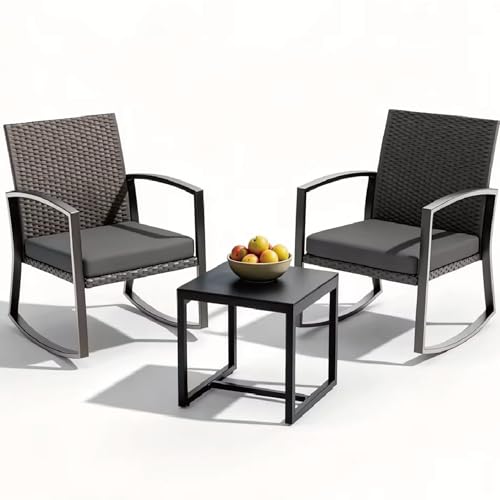
Strategies for Optimal Seating Layout
Position a central gathering piece, such as a sofa, angled to promote conversation. This creates a focal point while encouraging interaction among guests. For a cozy atmosphere, consider placing side chairs or loveseats opposite each other, ensuring they are within comfortable reach.
Incorporate a coffee table, ideally one that complements surrounding seating. Maintain a distance of 18 inches between the table and seating to facilitate movement. Use additional small tables or ottomans for flexibility, especially in informal settings.
Utilizing Space Creatively
Incorporate multifunctional elements. For instance, a storage bench can serve as seating while providing space for magazines, throws, or games. Wall-mounted shelves can exhibit decor without consuming floor space, thereby enhancing usability.
Examine traffic flow; clear walkways between different areas to prevent obstruction. Position furniture away from entry points to create an open feel. Consider the balance of visual weight, ensuring larger pieces don’t overwhelm the area but rather complement it. Adjust heights with varying decor on surfaces to add dimension.
Measuring Your Space Accurately
I recommend using a tape measure to obtain precise dimensions of your area. Measure the length and width of each wall, noting locations of doors, windows, and any architectural features. This will aid in understanding how much space is available for different pieces.
Creating a Floor Plan
Once I have the measurements, I sketch out a basic floor plan on graph paper or use a digital tool. Each square can represent a square foot, allowing me to visualize placement options effectively. Include furniture dimensions on a separate sheet for comparison.
Testing Measurements with Tape
I find it useful to use painter’s tape to outline where each item might sit. This gives me a tangible sense of how much space each piece occupies and the flow around them. Adjust based on the actual layout, ensuring pathways are clear and dimensions align with my plans.
Consistent measuring and careful planning lead to a harmonized setup that enhances comfort and functionality.
Choosing a Focal Point for the Space
Selecting a focal point transforms ambiance and guides placement of other elements. For me, the best option is often a fireplace, large artwork, or a striking piece of furniture. Prioritize something that draws attention and sparks conversation.
Identify Your Strengths
Consider what creates visual interest. If a chic fireplace exists, center seating around it for warmth. In spaces featuring expansive windows, direct natural light onto a vibrant piece of art across from the viewpoint. This technique accentuates both elements and invites relaxation.
Balancing Complementary Features
Add complementary pieces that support rather than compete with the chosen center. If a stunning sofa anchors the area, pair it with smaller side tables and lamps that enhance without overshadowing the main attraction. Maintain cohesion with color schemes and styles to achieve visual harmony throughout the area.
Arranging Seating for Conversation
Position seating elements to face each other, creating an inviting atmosphere for dialogue. I prefer a circular or semi-circular configuration. This layout encourages eye contact and engagement among guests.
Consideration of Flow
Create pathways between seating areas to facilitate movement. I ensure that these routes are at least 2-3 feet wide. This space helps avoid crowding and makes it easy for individuals to navigate without interrupting conversations.
Seating Types and Placement
Utilizing diverse seating options enriches the space. I typically combine chairs, sofas, and ottomans. Each type provides a unique feel and can be arranged in the following manner:
| Seating Type | Best Placement |
|---|---|
| Sofa | Center of conversation area, facing chairs or opposite seating. |
| Chairs | Positioned adjacent to or opposite the sofa to encourage discussion. |
| Ottomans | Placed within reach of chairs for comfort; can serve dual purposes. |
By mixing and matching seating types, I create a dynamic environment that enhances social interaction and makes everyone feel welcomed. Attention to placement and configuration elevates the overall experience.
Incorporating Functionality with Multi-use Furniture
Choose a coffee table that doubles as storage. This provides a place for books, magazines, or remote controls, keeping surfaces clear. Ottomans can serve as seating or footrests and often include hidden compartments.
Consider a sofa bed for accommodating guests without sacrificing space. Folding chairs or collapsible tables allow for quick setup when entertaining, while being easily stored away when not in use.
Browse modular shelving units; they can be customized for various needs, from displaying decor to storing items. Select pieces that can enhance your design aesthetic and functionality.
- Convertible sofas: Transform from a stylish couch into a sleeping area.
- Nested tables: Offer flexibility in surface space while being compact.
- Storage benches: Provide extra seating while keeping items out of sight.
Incorporating these elements enables a seamless blend of style and practicality, allowing for a more dynamic and adaptable environment.
Balancing the Layout with Accessories
Incorporate items that enhance visual appeal while providing functionality to create harmony in your space.
- Select a Color Palette: Stick to a cohesive color scheme to unify pieces. Choose accent items that complement your main shades.
- Utilize Rugs: Position a rug to define areas, especially in open layouts. It adds warmth and ties together different seating arrangements.
- Add Art: Wall art can serve as a focal point. Hang pieces at eye level to draw attention without overwhelming the space.
- Incorporate Plants: Use greenery to add life. Select varied sizes and shapes for visual interest; place them in corners or on shelves.
- Layer Lighting: Combine ambient, task, and accent lighting. Use table lamps and floor lamps to create cozy corners while ensuring bright zones for activities.
- Use Throw Pillows: Mix textures and patterns on seating with cushions. This adds comfort and can brighten the space.
- Consider Window Treatments: Choose curtains or blinds that match your décor style. Light fabric can enhance brightness, while heavier options provide warmth and privacy.
Adjust these elements frequently to refresh aesthetics and maintain a balanced environment. Regularly reassess how accessories interact with each other and the overall layout for ongoing satisfaction with your space.
Creating Flow and Accessibility in Design
Prioritize clear pathways within your layout. Ensure at least 24 inches between seating options and 30-36 inches for main walkways. This minimizes congestion and facilitates easy movement.
Accessibility Considerations
Incorporate considerations for all users. Position frequently accessed elements, like side tables and lamps, within arm’s reach from seating arrangements. Use lightweight furniture to allow for easy reconfiguration as needed.
Visual Connectivity
Maintain visual sightlines across the space. Arrange pieces in a way that allows views to remain open, connecting different areas visually. Use rugs to define zones without obstructing movement, creating a harmonious flow.
FAQ:
What are some tips for arranging furniture in a small living room?
To make the most of a small living room, focus on multi-functional furniture, such as sofas with storage. Choose lighter colors for walls and furniture to create an illusion of space. Consider arranging furniture in a way that encourages conversation, such as positioning seating in a U-shape. Avoid overcrowding the space; leave pathways clear for movement. Mirrors can also help to reflect light and make the room feel larger.
How can I create a cozy atmosphere in my living room with furniture arrangement?
To create a cozy atmosphere, arrange furniture to promote intimacy. Position your sofa and chairs around a central point, like a coffee table or a fireplace, to encourage conversation. Use soft textiles, such as cushions and throws, on your furniture to enhance comfort. Layer different lighting sources, like floor lamps and table lamps, to create warm, inviting illumination. Plants can add a touch of warmth and life to the arrangement.
Is there a recommended layout for furniture in a rectangular living room?
For a rectangular living room, consider placing the largest piece of furniture, like a sectional sofa, along the longer wall. This can create a clear focal point in the room. Use smaller accent chairs to define separate seating areas, and arrange them in a way that encourages interaction. Keep pathways open, especially in narrow areas, so people can move around easily. Additionally, make sure to balance the arrangement with side tables or ottomans to provide functionality.
What should I consider when placing a television in my living room?
When placing a television, think about the viewing distance and angle. A general rule is that the seating should be about 1.5 to 2.5 times the diagonal size of the TV for comfortable viewing. It’s also important to mount the TV at eye level when seated. Ensure that furniture is arranged to provide a clear view without straining the neck. To minimize distractions, try to place the TV in a way that does not compete with other focal points in the room, such as a fireplace or windows.
How can I make my living room furniture arrangement feel more balanced?
To achieve a balanced furniture arrangement, distribute the weight of furniture evenly throughout the room. Use pairs of items, like lamps or chairs, to create symmetry. Incorporate varying heights with bookshelves or artwork to break up the space visually. Be mindful of color and texture; mixing different materials can add interest while still contributing to a cohesive look. Lastly, consider adding rugs to define spaces and provide a sense of order within the room.


