Caleb Turner

For a stunning transformation, mix your chosen sheen with a solvent-based or water-based product. This combination ensures a stunning effect while enhancing durability. Always opt for a high-quality element, as it greatly influences the final appearance and longevity.
Preparation is key. I recommend sanding the piece down to create a smooth surface. Use a fine-grit sandpaper to eliminate imperfections, and remember to clean the surface thoroughly. This step guarantees that the finish adheres properly, leading to a more polished outcome.
When applying the shimmering layer, a foam brush works wonders. It prevents streaks and allows for an even application. I apply a thin layer, letting it dry completely as per manufacturer instructions before adding an additional coat for depth. Patience in this process pays off in a radiant finish.
For the final touch, consider sealing your masterpiece with a clear topcoat. This will enhance the brilliance of the finish while providing essential protection. It’s best to select a compatible topcoat that matches the base for optimal results. Enjoy the revitalization of your piece with a sparkling touch that elevates your space.
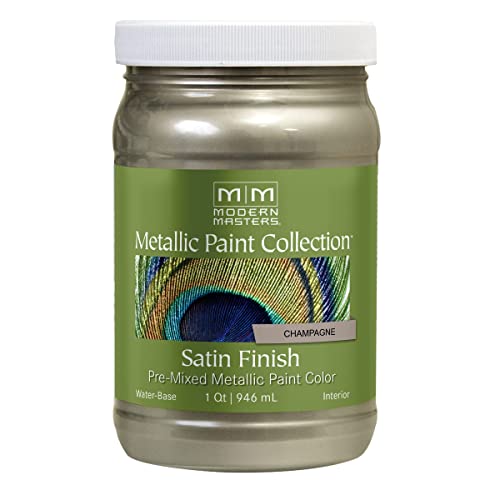

Choosing the Right Metallic Glaze for Your Project
Select a product that aligns with your desired effect and surface. For a glossy finish, opt for a high-shine formula. If a softer sheen is more appealing, consider lower gloss options. Always check the compatibility with your base material, whether it’s wood, metal, or another surface.
Types of Finishes
Different finishes create distinct looks. Options range from mirror-like reflections to subtle metallic sheens. Assess the space and furniture style; contemporary designs might suit brighter, shinier options, whereas rustic or vintage pieces might blend better with softer tones.
Color Selection
Choosing the right hue impacts the final aesthetic significantly. Golds and coppers add warmth, while silvers and chromes invoke a cooler, modern vibe. Test small swatches to see how the color interacts with surrounding elements and lighting.
| Finish Type | Best For |
|---|---|
| High Gloss | Modern and contemporary pieces |
| Satin | Transitional styles |
| Matte | Shabby chic and rustic looks |
Consider environmental factors as well. Some products are more suited for indoor settings, while others can withstand the elements if the item is intended for outdoor use. Always ensure proper ventilation during application to achieve optimal results.
Preparing Surfaces for Application: Cleaning and Sanding Tips
Begin with a thorough cleaning to eliminate dust, grease, and grime. Use a mild detergent mixed with warm water and a clean cloth. Wipe down all surfaces, paying extra attention to corners and crevices. After cleaning, rinse with a damp cloth to avoid any residue.
Choosing the Right Cleaning Products
- Opt for non-abrasive cleaners to prevent surface damage.
- Use vinegar or rubbing alcohol for tough stains.
- Always test cleaning solutions on an inconspicuous area first.
Allow the surface to dry completely, ideally for several hours. Moisture can interfere with adherence and finish quality.
Sanding Techniques to Ensure Smoothness
Employ a medium-grit sandpaper (around 120-150 grit) for initial sanding. This will help smooth out imperfections and promote better adhesion for subsequent layers.
- Sand in the direction of the grain to avoid scratches.
- Ensure all previous finishes are removed, especially shiny surfaces that can prevent new applications from bonding properly.
After the initial sanding, switch to a fine-grit sandpaper (220 grit) for a smooth finish. Wipe away dust with a damp cloth after sanding to prepare for the next steps.
Inspect surfaces carefully before proceeding. Any flaws should be addressed before applying any finishes, as they can become more pronounced after treatment. A well-prepared base will lead to a professional-looking result.
Application Techniques: Brushing vs. Spraying Metallic Coating
I recommend assessing your comfort level and the desired finish before choosing between brushing and spraying. Each method has its benefits, and understanding them will lead to better results.
Brushing Techniques
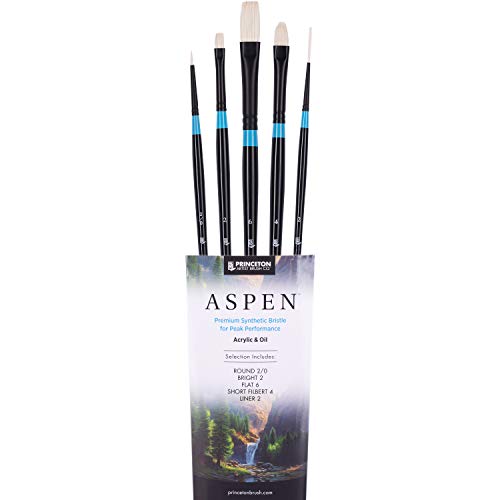
Using a brush can provide more control, especially for intricate details. Opt for high-quality, synthetic brushes to achieve a smooth application. Apply a thin coat, working in long, even strokes to avoid streaks. It’s crucial to maintain a wet edge to prevent brush marks, so avoid pausing too long in one area. For larger surfaces, consider using a foam brush to minimize brush lines and create a more uniform finish.
Spraying Techniques
Utilizing a spray gun can offer a more even and professional appearance. Before spraying, ensure proper ventilation and use a mask for safety. Adjust the nozzle for the specific finish you desire–tight for detail work or wider for large areas. Hold the sprayer 6-12 inches from the surface and move in a steady, sweeping motion. Multiple light coats are preferable to one heavy coat, as this reduces runs and drips. Always practice on a scrap piece or cardboard to adjust your technique before tackling your main project.
Creating Depth: Layering Multiple Coats of Glaze
Begin with a thin base layer, allowing it to dry completely before applying additional coats. This base layer serves as the foundation for depth and richness.
When preparing each subsequent layer, consider using different application techniques such as brushing or sponging to achieve varied texture and visual interest. Each additional coat can enhance the underlying color or tone, adding complexity.
Allow adequate drying time between coats to prevent lifting or smudging. Typically, a 24-hour drying period is beneficial, but check the manufacturer’s guidelines for specific recommendations.
Experiment with blending colors by mixing various shades into your medium. Layering multiple hues creates an intricate look that can resemble aged patinas or natural finishes.
Applying the final layer with a lighter or more reflective hue can amplify brilliance. This last touch can highlight specific areas, drawing the eye and providing a three-dimensional effect.
Don’t hesitate to test the appearance of layers on a scrap piece before working on the main piece. This practice will give insight into how colors interact and the overall visual outcome.
Finishing with a protective clear coat will seal the layers and enhance durability while maintaining the desired look. Consider the sheen level of the topcoat for the final finish, as it can alter how light reflects off the layers.
Finishing Touches: Sealing and Protecting the Glazed Surface
To ensure longevity and durability of the shiny finish, a sealing coat is non-negotiable. I recommend selecting a high-quality clear topcoat suitable for the base material. This not only protects the sheen but also enhances its brilliance.
Types of Sealants
- Polycrylic: Ideal for water-based applications, providing a clear finish without yellowing over time.
- Polyurethane: Best for areas that encounter high traffic, as it offers excellent durability and water resistance.
- Wax: A traditional and easy-to-apply option that gives a soft sheen, though it requires regular reapplication.
Application Steps
- Ensure the glazed surface is completely dry before applying any sealant, typically allowing 24 hours for full curing.
- Use a high-quality brush or foam applicator to apply the topcoat in thin, even layers.
- Sand lightly between coats with fine-grit sandpaper to achieve a smooth finish and better adhesion.
- Apply 2 to 3 coats for optimal protection, allowing each layer to dry thoroughly before the next application.
After applying the final coat, wait at least 48 hours before using the piece to allow for proper curing. This step will guarantee that the surface remains intact against scratches and spills.
Maintaining your project involves occasional care with gentle cleaners and restoration products, ensuring that the brilliant finish remains intact for years to come.
Common Mistakes to Avoid When Using Metallic Glaze
Avoid applying a thicker layer of product than necessary. Thin coats allow for better control and prevent excessive shine, which can look unnatural. Instead, aim for multiple light applications to achieve the desired effect without overwhelm.
Neglecting Surface Preparation
Skipping proper cleaning and sanding leads to poor adhesion. Grime, dust, and old finishes create barriers that reduce the aesthetic quality. Always ensure the piece is thoroughly cleaned and lightly sanded before proceeding.
Ignoring Environmental Conditions
Overlooking temperature and humidity levels during application can affect drying time and finish quality. Aim for a well-ventilated area with moderate temperatures to ensure optimal results.
Failing to test on a small area first can lead to unwanted surprises. I always sample the chosen product on an inconspicuous spot to see how it reacts with the base. This simple step reveals any compatibility issues upfront.
Lastly, skipping the sealing process increases the risk of damage. A proper sealant protects the finish and enhances durability. It’s not just an optional step; it’s crucial for longevity. Always finish with an appropriate topcoat to safeguard your work.
Maintenance Tips for Furniture Finished with Metallic Glaze
Regular cleaning is key. Use a soft, lint-free cloth slightly dampened with water to wipe surfaces. Avoid harsh cleaners that can damage the finish.
Protecting the Finish
To preserve the brilliance of the applied coating, avoid placing items that could scratch or scuff the surface. Coasters and placemats can help prevent wear from everyday use.
Reapplication of Protective Coating
Consider reapplying a clear protective layer every few years. This adds an extra barrier against moisture and wear. Choose a compatible product to maintain the sheen and color integrity.
Inspect for damage routinely. Address any scuffs or scratches promptly with a touch-up application of the original product to keep the look cohesive.
Store the piece in a climate-controlled environment to prevent rapid temperature changes that can affect the integrity of the coating.
FAQ:
What is metallic glaze and how does it differ from regular paint?
Metallic glaze is a semi-transparent coating that contains metallic particles or pigments, giving surfaces a shimmering, reflective quality. Unlike regular paint, which typically dries to an opaque finish, metallic glaze allows some of the underlying color or texture to show through, creating depth and richness. This feature makes it particularly appealing for enhancing the appearance of furniture, providing a stylish and sophisticated look.
Can I apply metallic glaze over any type of furniture finish?
While metallic glaze can be applied to various surfaces, it is important to consider the existing finish. Ideally, surfaces should be clean, smooth, and free of peeling paint or varnish for the best results. If the furniture has a glossy finish, lightly sanding it can help the glaze adhere better. Additionally, testing the glaze on a small, inconspicuous area beforehand can ensure compatibility and help you achieve the desired effect.
What is the best method for applying metallic glaze to furniture?
The best method for applying metallic glaze typically involves using a brush or sponge. Start by preparing the surface and applying a base coat in a complementary color. Once the base coat is dry, dip your brush or sponge into the metallic glaze and apply it in thin layers, blending as you go. Allow it to dry between applications to avoid overwhelming the base color. For a more textured effect, you can use a rag to dab the glaze on. Be patient and gradually build up the metallic finish until you’re satisfied with the look.
How do I maintain and care for furniture finished with metallic glaze?
To maintain furniture with a metallic glaze finish, it’s important to handle it gently, as the finish can be more delicate than standard paint. Regular dusting with a soft, dry cloth is recommended, while avoiding harsh cleaners or abrasives that might damage the glaze. If needed, clean with a damp cloth and mild soap, and make sure to dry thoroughly to prevent water damage. For high-use items, consider applying a clear topcoat to protect the glaze while maintaining its shine.
Can I create custom colors when using metallic glaze on furniture?
Yes, you can create custom colors when using metallic glaze by mixing different shades of the glaze. Start with a base color and gradually add metallic pigments or other glazes to achieve the desired hue. Keep in mind that the final color will depend on the base coat underneath, so testing your mix on a small area is advisable. This way, you can experiment with the blending until you find a combination that complements your furniture style and decor.