
 Caleb Turner
Using a fresh coat of paint can dramatically transform the appearance of tired chairs and tables. I recommend selecting colors that align with your brand’s identity, while also providing a welcoming atmosphere. For an inviting feel, consider soft neutrals or gentle pastels.
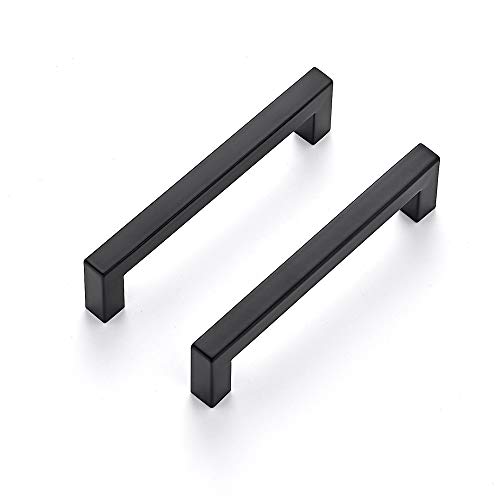
Replacing outdated hardware adds a modern touch to existing pieces. By swapping out knobs, pulls, and hinges, I’ve rejuvenated my items without extensive renovations. Focus on materials that complement the overall aesthetic, such as brushed nickel or matte black finishes.
Incorporating decorative elements like cushions or throws introduces comfort and personality. I find that selecting fabrics that are both stylish and durable enhances the usability of seating. Patterns and textures can also contribute an inviting layer to the workspace.
Adjustable components can improve ergonomics. Adding desk risers or ergonomic chair pads has personally helped me create a more comfortable working environment. Shifting to a standing desk setup can also invigorate routine work hours.
Finally, integrating greenery not only revives the appearance but also promotes well-being. I’ve noted that plants like succulents or snake plants require minimal maintenance while providing aesthetic and air-purifying benefits.


Enhancing Vintage Workspace Essentials
Consider painting surfaces with bold colors or softer shades to create a fresh look. I recommend using high-quality spray or brush-on paint designed for the material, ensuring even coverage.
Replacing hardware can significantly alter the aesthetic of desks and cabinets. Opt for modern knobs and pulls in contrasting finishes like matte black or polished brass, which add a contemporary twist.
Reupholstering chairs allows for personalization. Select durable fabrics in trendy patterns or textures, which can breathe new life into tired seating. I also suggest adding memory foam cushions for added comfort.
Adding or changing underlayment can improve practicality and style. Try layering a decorative rug over a plain floor for warmth and visual appeal, aiding in noise reduction and comfort underfoot.
Incorporate stylish accessories like desk organizers or planters. Choose items that reflect your personality while maintaining functionality. Organizing cables with attractive clips or hiding them behind cable management solutions enhances the visual space.
| Technique | Description |
|---|---|
| Paint | Revitalize surfaces with high-quality paint to achieve a new vibe. |
| Hardware Replacement | Swapping knobs and pulls can dramatically change the look. |
| Reupholstery | Fresh fabrics elevate chairs and add comfort. |
| Accessorizing | Stylish organizers and plants enhance aesthetics and functionality. |
Assessing the Condition of Your Furniture
First, inspect the surfaces for any scratches, dents, or stains. Determine if cleaning products can restore the sheen or if refinishing is necessary. Check the stability of legs and joins; wobbling indicates structural issues that may need repair.
Next, examine upholstery or cushioning. Look for rips, discoloration, or wear. If recovery seems essential, consider fabrics that complement your new design vision. For wood pieces, assess if a simple sanding and staining could rejuvenate the look.
Functional Evaluation
Assess the practical aspects: are the drawers sliding smoothly? Is the desktop conducive to your workflow? Identify areas needing adjustments or enhancements to improve usability.
Environmental Considerations
Evaluate whether any materials used are out of fashion or pose health risks. If sustainability is a priority, consider eco-friendly alternatives or those made from recycled elements. This creates a space that aligns with modern values without sacrificing quality.
Choosing the Right Materials for Refurbishment
Begin with selecting durable fabrics for upholstery. High-performance polyester and nylon are excellent because they resist stains and wear, making them suitable for high-traffic areas.
Consider using faux leather or vinyl for a modern look that’s easy to maintain. Both options provide a sleek appearance and are more resistant to spills compared to genuine leather.
For wood elements, opt for water-based finishes that are low in VOCs, promoting a healthier workspace while protecting the surface. A matte or satin finish can enhance the natural beauty without being overly glossy.
In terms of laminate, choose a high-pressure laminate for surfaces that require both aesthetics and durability. It’s scratch-resistant and comes in a wide variety of colors and textures.
When replacing hardware, select metal options such as brushed nickel or matte black for a contemporary touch. These materials offer longevity and complement various design themes.
Don’t overlook recycled materials. They not only contribute to sustainability but can also provide unique textures and visuals that stand out. Reclaimed wood or recycled fabrics can add character to any piece.
Finally, test fabric samples and finishes in your space. Lighting can drastically alter appearance and feel, so evaluate how materials look under natural and artificial light before finalizing your choices.
Techniques for Repainting and Staining Wood
I prefer to approach the refinishing of wooden surfaces with careful preparation. Start with cleaning the wood thoroughly to remove dust and grease. Utilizing a mixture of warm water and mild detergent is effective. Once dried, inspect for imperfections such as scratches or dents, and fill them with wood filler. Sand the affected areas smooth for an even surface.
Choosing the Right Technique
For those considering a fresh coat of paint or a stain, my go-to method is to first apply a primer. Primer ensures better adhesion and enhances the longevity of the topcoat. After primer application, I select high-quality water-based or oil-based paints depending on the desired finish. Satin finishes often provide a good balance between durability and aesthetics.
Step-by-Step Application
Applying multiple thin layers rather than a single thick one yields the best results. I recommend allowing adequate drying time between coats, as indicated by the manufacturer’s guidelines. For stain application, using a foam brush or a rag helps achieve an even distribution. Once applied, wipe off excess stain within the recommended timeframe to avoid a blotchy appearance.
| Technique | Ideal Use |
|---|---|
| Primer | Prepares surface, enhances adhesion |
| Water-based Paint | Quick drying, easy cleanup |
| Oil-based Paint | Durable, high-gloss finish |
| Staining | Adds color while preserving grain visibility |
For maintaining a smooth finish on painted surfaces, I suggest lightly sanding between coats. This removes any imperfections and promotes adhesion. Finally, once satisfied with the look, seal the finish with a clear coat to protect against scratches and wear.
Replacing Upholstery on Office Chairs
Begin by removing the existing fabric from the chair. Use a staple remover to carefully detach the old upholstery material. Pay attention to how the fabric is attached; take notes or photos to help you during reupholstering.
Next, select new fabric that suits your needs. Consider durability, texture, and color. Fabrics like polyester or vinyl are suitable for high-use settings due to their stain resistance and durability.
Once the new material arrives, cut it to size, allowing extra for wrapping around the edges. This will ensure a clean finish. Aim for a tight, smooth fit to give the chair a polished appearance.
- Lay the new fabric on a flat surface, pattern-side down.
- Place the chair seat on top of the fabric, centering it.
- Wrap the fabric around the edges and staple it to the underside of the seat.
- Start from the center of each side and work towards the corners for an even tension.
- Fold the corners neatly to avoid bulk at the edges.
After securing the fabric, trim any excess material for a clean edge. Check that all staples are secure; a few may need to be added for reinforcement.
For chairs with backs, repeat this process similarly, ensuring that the fabric aligns well with the seat for a cohesive look. After everything is attached, inspect your work for any imperfections and make adjustments as necessary.
Lastly, ensure that the newly upholstered chairs are dried properly if any adhesive was used, and place them back in their expected areas. Adding a protective spray can enhance longevity and maintain the fresh look.
Incorporating Modern Accessories into Classic Designs
To breathe new life into timeless pieces, integrate contemporary accessories that complement their shape and finish. Choose items that contrast with traditional materials but harmonize in theme.
- Lighting: Modern fixtures, like sleek desk lamps with geometric designs, can instantly elevate the aesthetic. Select metallic or matte finishes for a streamlined look.
- Tech Gadgets: Wireless charging stations or minimalist organizers add functionality without overwhelming classic lines. Look for sleek, unobtrusive designs that blend seamlessly.
- Art and Decor: Incorporate abstract or modern artwork to juxtapose against classic furniture. Use bold colors to create visual interest and a sense of depth.
- Textiles: Introduce contemporary throw pillows or desk pads with modern patterns. Choose materials like faux leather or synthetic blends for practicality and ease of maintenance.
- Plants: Use modern planters with clean lines to soften the hard edges of traditional pieces. Consider succulents or other low-maintenance plants for a touch of greenery.
Layering these accessories can transform the space, bridging the gap between eras while retaining the integrity of the classic design. Choose items that tell a cohesive story, creating a seamless blend of the past and present.
DIY vs Professional Help: When to Hire a Specialist
Assess your skill level and availability first. If you’re comfortable with tools and have experience with similar projects, tackling the task yourself can be cost-effective and rewarding. For instance, simple painting or refinishing tasks can often be accomplished with a little research and the right materials. Online tutorials can guide you through basic techniques, providing confidence and saving money.
Indicators for Professional Assistance
Some situations clearly call for professional intervention. If the structure of your piece is compromised, or if it features intricate designs that require specialized knowledge, hiring an expert is a wise choice. Additionally, if time constraints exist or you completely lack the necessary tools, outsourcing the work can ensure a swift and high-quality result.
Cost Considerations
Analyze the financial aspects thoroughly. DIY pursuits might seem less expensive initially, but hidden costs can accumulate, especially if mistakes are made. Quotation from a skilled service provider may reveal that professional help is more cost-effective in the long run, particularly for complex refurbishments requiring substantial labor or costly materials.
Eco-Friendly Options for Furniture Updates
I recommend selecting sustainable materials such as reclaimed wood or bamboo for any refurbishing projects. These options reduce the impact on the environment while providing durability and a unique aesthetic.
Consider using low-VOC or water-based paints and stains. These products minimize harmful emissions and are safer for indoor air quality. Look for certifications like Green Seal or Ecolabel when choosing these items.
Repurposing existing pieces can be an innovative way to enhance their functionality without additional waste. Transform a sturdy desk into a creative workspace by adding a corkboard or integrated storage solutions from natural materials.
Natural fabrics, such as organic cotton or linen, are ideal for chair upholstery. They are not only environmentally friendly but also comfortable and stylish. Look for vendors who utilize environmentally sound production methods.
When disposing of outdated items, prioritize recycling or donating them to local charities. This helps to reduce landfill waste and can benefit your community.
Lastly, incorporating plants or green decor can promote a healthier workspace. Not only do they improve air quality, but they also introduce a sense of calm into the environment, blending seamlessly with both traditional and contemporary styles.
Maintaining Updated Furniture for Longevity
Regular cleaning and maintenance of refurbish items prolong their lifespan. A simple dusting routine using microfiber cloths prevents the accumulation of dirt and grime, while vacuuming upholstered pieces removes debris that can wear down fabric fibers.
Cleaning Techniques
- For wood, a mixture of mild soap and water works well; avoid harsh chemicals that can damage the finish.
- Fabric care should involve spot cleaning with appropriate cleaners designed for the specific type of material.
- Glass surfaces benefit from vinegar-based solutions for a streak-free shine.
Protective Measures
- Using coasters and placemats can prevent scratches and heat damage on tabletops.
- Regularly applying polish or wax to wooden surfaces protects against moisture and UV rays.
- Consider investing in fabric protectors for upholstered items to guard against spills and stains.
Monitor conditions continuously; address issues such as squeaks in hinges, loose screws, or fraying edges promptly. This proactive approach prevents minor problems from escalating and ensures items remain safe and functional.
Rearranging the layout occasionally not only refreshes the aesthetic but also allows for better use of light and space, reducing wear on specific areas. Regular assessments will help identify any required maintenance or upgrades, enhancing both appearance and utility.
FAQ:
What are the most cost-effective ways to update old office furniture?
One of the easiest and budget-friendly methods to refresh old office furniture is by applying a coat of paint or varnish. Choosing a modern color can significantly alter its appearance. Another option is to replace old hardware like knobs and handles, which can provide a new look without breaking the bank. Additionally, adding new cushions or fabric covers to chairs can enhance comfort and style. Finally, rearranging the layout of the furniture can also give your office a fresh feel without any financial investment.
Can you suggest some DIY ideas for refurbishing office desks?
Refurbishing an office desk can be both fun and fulfilling. One popular DIY project is to sand down the surface and apply a new stain or paint in a color of your choice to give it a brand-new look. If the desk has storage, consider adding contact paper or wallpaper to the inside of drawers for a pop of color when opened. You can also attach new legs or wheels, allowing for more versatility in movement. Finally, creating a custom desktop mat or pad can personalize the workspace and protect the surface from daily wear.
What types of materials can be used to update the upholstery on office chairs?
When updating upholstery on office chairs, there are a variety of materials you can choose from. Common options include durable fabrics such as microfiber or canvas, which are easy to clean and maintain. Leather or faux leather can provide a classic and professional look, although they may require more care. For a more casual vibe, consider using patterned or colorful fabrics that can add character to the workspace. When selecting fabric, prioritize durability and ease of cleaning, especially for high-use areas.
How do you determine if it’s time to repair or replace office furniture?
Deciding whether to repair or replace office furniture often depends on a few key factors. Firstly, assess the overall condition of the furniture. If it shows signs of wear but is structurally sound, repairs like refinishing or reupholstering may be worthwhile. However, if the furniture is severely damaged or lacks ergonomic support, replacement may be a better investment. Additionally, consider the cost of repairs versus the cost of new furniture. If repairs approach or exceed half the price of new items, replacing might be the smarter choice for long-term use.


