
 Caleb Turner

The initial step involves thorough cleaning with a mixture of water and mild detergent. Utilizing a soft cloth, gently scrub the surfaces to remove any visible traces of mold. This acts as a primary defense against lingering unpleasant aromas.
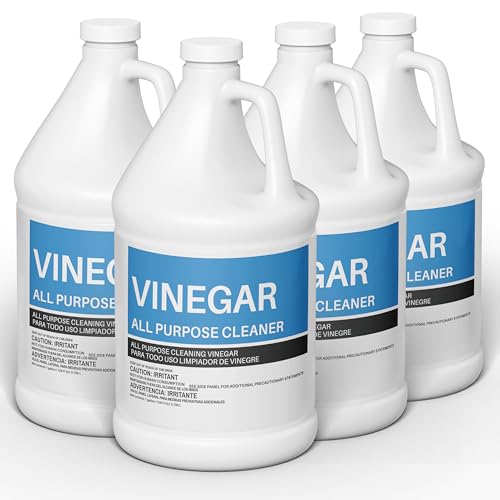
After cleaning, a solution of equal parts white vinegar and water is highly effective. Spraying this mixture onto the affected areas helps neutralize odors. Wiping it down with a clean cloth ensures the solution penetrates the wood fibers, targeting the source of the unwanted fragrance.
Next, placing small bowls of baking soda or activated charcoal inside drawers and cabinets allows for ongoing odor absorption. These natural deodorizers are excellent for maintaining a fresh scent over time.
Lastly, allowing the item to air out in a well-ventilated space promotes evaporation of any trapped moisture and odors. Regular exposure to fresh air significantly aids in restoring a pleasant environment around cherished wooden objects.

Identify the Source of Mildew Odor in Wood
To eliminate the unpleasant aroma, discovering the origin of the issue is paramount. Begin by thoroughly examining the affected pieces. Check for visible signs of moisture buildup or discoloration on the surface. These indicators typically suggest areas where dampness has lingered, leading to the problematic scent.
Inspect the Environment
Evaluate the surrounding environment where these items reside. High humidity levels can contribute to persistent odors. Utilize a hygrometer to measure moisture levels in the air; a reading above 60% indicates a potentially conducive environment for mold growth.
Examine Storage Conditions
Investigate the locations where these items are stored. Closets and storage bins that lack proper ventilation often trap moisture. Ensure adequate airflow in these spaces by leaving doors slightly ajar or utilizing moisture absorbers. Identifying and addressing these conditions is critical for eliminating any unpleasant aromas effectively.
By pinpointing the source of the odor, it becomes easier to apply the necessary treatments and restore freshness to the items in question.
Gather Necessary Cleaning Supplies for Treatment
First, gather the following cleaning tools and materials:
- White vinegar – an effective natural deodorizer.
- Baking soda – helps neutralize odors.
- Soft cloths or microfiber rags – for applying cleaning solutions.
- Spray bottle – for easy application of the vinegar solution.
- Water – necessary for dilution and rinsing.
- Masking tape or plastic wrap – to cover areas during treatment.
- Wood polish or conditioner – to restore shine after cleaning.
- Gloves – to protect hands during the process.
Ensure that all items are readily available before proceeding, as this will facilitate a smoother cleaning operation.
Consider checking for any additional items based on the specific treatment method chosen, such as a vacuum with a HEPA filter or specialist wood cleaners if needed.
Prepare the surface for deodorizing
Begin with a thorough cleaning of the targeted area. Dust and debris can exacerbate unwanted odors, so utilizing a vacuum or a soft cloth helps eliminate these layers. Focus on crevices and intricate designs present on the surfaces to ensure an all-around scrub.
Next, dampen a soft cloth with a mixture of mild soap and water. Wipe the furniture gently to remove any lingering residues. Ensure that the cloth is not overly wet to prevent water damage. Follow up with a dry cloth to absorb any moisture that remains.
After the initial wash, inspecting for any signs of damage is crucial. Look for cracks, peeling, or soft spots that could indicate deeper issues. If minor repairs are necessary, apply a wood filler or polish to restore the surface integrity.
Once the surface has been cleaned, allow it to dry completely. Adequate air circulation aids in moisture evaporation, diminishing the risk of further odor development. Position the piece in a well-ventilated area, avoiding direct sunlight which may warp the material.
| Task | Details |
|---|---|
| Dusting | Utilize a vacuum or a soft cloth for thorough dust removal. |
| Cleaning | Use a mild soap and water solution on a damp cloth, then dry with a clean cloth. |
| Damage Inspection | Check for cracks or soft spots; apply wood filler if needed. |
| Drying | Ensure proper ventilation to achieve complete dryness. |
Use Vinegar Solution to Neutralize Odors
A vinegar solution effectively neutralizes unpleasant odors on various surfaces. For this purpose, a simple mixture of equal parts water and white vinegar works best. Prepare a spray bottle with the solution to facilitate application.
Steps to Apply Vinegar Solution
- Shake the spray bottle gently to mix the solution.
- Lightly mist the affected area, ensuring not to saturate the material.
- Allow the solution to sit for approximately 15 to 30 minutes for better absorption.
- Wipe down with a clean, dry cloth to remove excess moisture.
- Ensure proper ventilation during this process to enhance drying and odor reduction.
Additional Tips
- Test the vinegar solution on an inconspicuous area first to confirm it won’t damage the surface.
- For persistent odors, repeat the application as needed.
- Complement the process with baking soda to absorb remaining scents–sprinkle it on the treated area and let it rest for a few hours before vacuuming.
Apply baking soda for deep odor absorption
Sprinkling baking soda generously over the affected areas offers an effective solution for absorbing lingering odors. Distribute an even layer and allow it to sit for at least 24 hours. This time frame allows the soda to draw out moisture and neutralize unpleasant scents trapped within the surfaces.
For maximum absorption, focus on crevices, joints, and any nooks where smells may be more concentrated. After the resting period, vacuum the area thoroughly to remove the baking soda. Reassess the scent; if necessary, a second application can be beneficial.
If deep-set odors persist despite the baking soda treatment, combining it with a small amount of water to create a paste can be helpful. Apply this paste to stubborn areas and let it dry before scraping it off gently. This method has the potential to extract the most entrenched scents effectively.
Consider Using Activated Charcoal for Persistent Odors
Activated charcoal serves as a powerful absorber of unwanted scents. Placing small sachets or bowls of activated charcoal within the vicinity of the affected piece can significantly assist in eliminating stubborn odors. This method relies on the charcoal’s porous structure, which traps and neutralizes molecules responsible for unpleasant smells.
For optimal results, fill breathable fabric bags or open containers with activated charcoal and position them strategically around the object. Allow a period of days to weeks for effective absorption. Regularly check the charcoal for saturation; replacing it every few weeks ensures ongoing odor control.
In addition, utilizing activated charcoal in combination with other deodorizing techniques enhances effectiveness. Incorporating this method alongside thorough cleaning can create a comprehensive approach to achieving a fresher environment.
Prevent Future Mildew Growth on Wood Furniture
Maintain optimal humidity levels in the environment, ideally between 30% and 50%. Utilizing a dehumidifier can help achieve this balance, especially in historically damp areas. Regularly check humidity levels with a hygrometer.
Ensure that furniture is positioned with sufficient airflow around it. Avoid placing items tightly against walls or other pieces, allowing air to circulate freely. Consider rearranging the layout to maximize ventilation.
Employ a breathable cover for protective purposes, especially during seasonal changes when moisture levels fluctuate. Select materials that prevent trapped humidity yet offer adequate shielding from dust and debris.
Regularly clean and dust surfaces with a soft, dry cloth. Eliminate moisture buildup from spills or cleaning procedures by promptly drying any damp areas. This simple routine can greatly reduce the risk of fungal development.
Use protective finishes on surfaces to create a barrier against moisture intrusion. Products like sealants or varnishes can serve as effective deterrents, ensuring lasting protection against dampness.
Consider the placement of plants within living spaces. While they add aesthetic appeal, overwatering or poor drainage can contribute to unwanted moisture. Position greenery wisely to avoid excess humidity around wooden items.
Regularly inspect items for signs of condensation or leaks, particularly in furniture adjacent to windows or doors. Address any issues immediately to prevent further complications.
Consult Professionals for Severe Cases
In challenging situations where persistent odors remain despite standard treatments, enlisting the help of experts can be crucial. Professionals possess advanced knowledge and specialized equipment, enabling them to diagnose specific issues and apply appropriate remedies effectively.
Assessing the Severity
Before reaching out, evaluate the extent of the damage. Signs like visible mold growth, extensive staining, or prolonged exposure indicate a need for expert intervention. Professionals can assess underlying issues, such as moisture levels or ventilation problems, which might contribute to reoccurring odors.
Choosing the Right Specialist
Look for specialists with experience in wood restoration and odor elimination. Seek certifications or references to ensure competence. They often utilize methods like deep cleaning, ozone treatments, or application of antimicrobial agents tailored to specific wood types and conditions.
Investing in professional assistance not only addresses the immediate concern but also provides insights into future maintenance, preserving the integrity and aesthetic appeal of valuable pieces.


