
 Caleb Turner
Begin with a thorough cleaning of your piece. A mix of warm water and mild soap will remove grime without damaging the finish. Once clean, allow the surface to dry completely. This step ensures that any new paint or treatment adheres properly.
Next, assess the condition of the surface. If there are scratches or uneven areas, lightly sand them using fine-grit sandpaper. This not only smooths the surface but also helps in the application of any stain or finish. Be gentle to avoid removing too much material.


For a fresh look, consider applying a new coat of paint or stain to enhance the natural patterns. Choose colors that complement your existing decor. Use a foam brush for an even application, and always work in the direction of the grain.
Enhancing the functionality of your piece can also be accomplished through hardware updates. New knobs or handles can significantly change the style and usability of a cabinet or dresser. Select hardware that matches the new color scheme for a cohesive appearance.
Finally, don’t underestimate the power of creative accessories. Adding decorative items or functional pieces, like pretty storage boxes or a unique table runner, can breathe new life into your transformed treasures. Making them work with your living space adds value and enjoyment.
Assessing the condition of veneer furniture
Examine the surface closely for any peeling or lifting sections. Gently press on areas where the surface seems raised; if it collapses, it indicates moisture damage. Check for cracks, especially at joints, which can signify structural weakness.
Inspect the underside and edges for signs of wear or previous repairs. Look for patterns of discoloration or warping, which may suggest exposure to high humidity or temperature fluctuations. Tap lightly on the surface; a hollow sound might indicate areas where the core material is compromised.
If possible, determine if the piece has been refinished before, as this affects the approach to restoration. A finish that appears uneven or blotchy often requires a complete removal of previous coatings before applying new treatment.
Evaluate the overall stability of the piece. Rocking or wobbling legs need attention before any cosmetic changes can be made. Always consider if the underlying structure is sound enough to support a new life.
Identify any additional issues such as rust on hardware or damaged hinges, which can detract from the overall appeal. Use a flashlight to reveal hidden spots that may not be immediately apparent.
Choosing the Right Materials for Upcycling
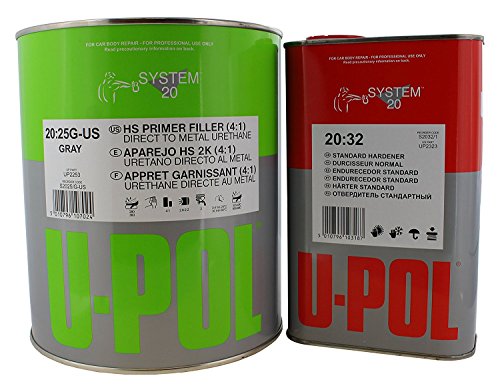
Begin with quality paint or finishing products that suit the texture of the surface. I prefer water-based options for their ease of use and quick drying time. Always select a primer specifically designed for the materials at hand, as it ensures better adhesion and a smoother finish.
Hardware and Accessories
Incorporating modern hardware can elevate the look of older pieces. Choose knobs, handles, and hinges that complement your design vision. Opt for materials such as metal or ceramic, which provide durability and style. Pay attention to the size; they should enhance without overwhelming the structure.
Textiles and Upholstery
If the project includes fabric elements, select high-quality, durable textiles. Linen and cotton blends work well for their resilience and ease of cleaning. For cushions or seating, consider memory foam for comfort and longevity. Always consider the color palette to ensure harmony with existing elements.
Don’t overlook decorative elements like stencils or decals. These can add personal flair and are readily available in various styles. Choose designs that resonate with your aesthetic to create a cohesive look.
Lastly, ensure all materials are suitable for the intended use of the item. Prioritize safety by selecting non-toxic finishes and materials, especially if the revamped piece will be in high-traffic areas or around children and pets.
Techniques for Repairing Damaged Veneer
To restore a damaged surface, I use wood glue to fix loose edges. I apply a small amount beneath the veneer flap and use a clamp to hold it in place until it sets. Make sure to remove any excess glue with a damp cloth immediately after application.
Filling Gaps and Chips
For filling gaps or chips, I prefer wood filler or putty that closely matches the grain and color of the surface. Here’s my approach:
- Clean the area thoroughly to ensure good adhesion.
- Apply the filler with a putty knife, pressing it into the damaged area.
- Let it dry according to the manufacturer’s instructions.
- Sand the surface lightly until smooth, blending it with the surrounding area.
- Finish with a matching stain or varnish to achieve a uniform look.
Repairing Cracks
For cracks, I use the following method:
- Widen the crack slightly using a putty knife for better adhesion.
- Inject wood glue into the crack using a syringe or a small brush.
- Wipe away excess glue and clamp the area to hold it together until dry.
- After drying, sand the surface lightly and touch up with stain as needed.
Always consider applying a protective topcoat after repairs to ensure longevity and enhance the overall appearance. Regular maintenance will keep the piece looking its best.
Creative ideas for redesigning veneer furniture
I recommend applying a bold paint color to transform a tired appearance into something striking. Choose a high-quality, matte or satin finish for a modern touch. Accentuate the new look with contrasting hardware, such as sleek metal handles or colorful knobs.
Consider adding decals or stencils for unique patterns. Floral or geometric designs can breathe new life into surfaces, making the piece more visually engaging. Use removable adhesive products for a non-permanent option, allowing for easy changes in the future.
Reupholstering seats or cushions can drastically change the feel of an item. Select vibrant fabrics or interesting textures that align with current design trends, ensuring comfort while enhancing aesthetics.
Integrating mixed materials can elevate the overall concept. For instance, pairing natural wood elements with metallic accents can create an alluring contrast that visually stands out. This combination often reflects contemporary style, appealing to modern tastes.
If you’re feeling adventurous, try adding new functionalities. For example, I can convert a cabinet into a mini bar by adding shelves and installing a glass door. This not only modernizes but also provides practical usage, catering to entertaining needs.
Incorporating lighting can add an unexpected twist. Installing LED strips or small spotlights within a piece can highlight features or create mood lighting, enhancing both ambiance and usability.
Creating thematic pieces can also be rewarding. For example, turning a dresser into a pirate chest or a side table into a nightstand with fairy tale elements can spark joy and creativity, especially in children’s rooms.
If I prefer a more rustic vibe, distressing surfaces through sanding can yield a charming worn effect. Pair this with a neutral color palette for a cozy, farmhouse-style appearance.
Using natural elements like jute or sisal for embellishments can contribute an organic touch. Wrapping legs with twine or creating matting around the base adds texture while maintaining a cohesive look.
Lastly, a small addition of plants, either through integrated planters or shelves for pot displays, can enliven any piece, infusing a fresh vibrancy into the design that breathes life into the space.
Applying finishes and paints for a new look
Choose a high-quality primer specifically formulated for surfaces you’re working with; this ensures better adhesion for subsequent layers. After priming, select a paint intended for the desired finish, whether matte, satin, or glossy. Water-based paints are preferable for indoor pieces due to their low odor and quick drying time. For achieving a professional look, consider using a foam roller for larger areas and a brush for detailed work.
Techniques for applying paint
For a smooth finish, lightly sand the surface between coats using fine-grit sandpaper. Clean the dust off before applying the next layer. Applying multiple thin coats rather than one thick coat yields better results. Patience is key; allow adequate drying time between applications as specified by the paint manufacturer. A clear topcoat can be added for extra durability and a polished look, choosing between gloss, semi-gloss, or matte based on your style preference.
Experimenting with finishes
Explore different techniques such as distressing or antiquing to add character. A wash of diluted paint can create a subtle hue that allows the natural grain to show through while providing a contemporary touch. Stains offer an alternative approach, preserving the wood’s texture and adding a rich tone. Test any finish on a small, inconspicuous area to ensure satisfaction before full application.
Tips for maintaining upcycled veneer furniture
Regular dusting with a soft cloth prevents buildup that can scratch surfaces. Use a microfiber cloth to clean delicate areas without causing damage.
To protect from moisture, apply coasters and placemats under drinks and hot items. This minimizes the risk of water rings or heat damage.
Maintain stability by placing heavy objects evenly distributed to avoid warping or cracking. Keep heavier items on lower shelves for balance.
Use a gentle cleaner specifically designed for wood finishes, avoiding harsh chemicals that could strip away the applied layers.
Apply natural oils like lemon or coconut occasionally to nourish and enhance the sheen. This not only beautifies but also guards against dryness.
Keep away from direct sunlight to prevent fading and discoloration. Consider using window treatments to filter light effectively.
At least once a year, inspect joints and surfaces for signs of wear or damage. Addressing small issues promptly can prevent larger repairs later.
Store your upcycled pieces in a stable environment, avoiding extremes in temperature and humidity which can lead to expansion or contraction.


