
 Caleb Turner

Regularly dusting the surfaces with a soft, dry cloth keeps them looking pristine. A microfiber cloth is ideal, as it attracts dust without scratching the finish.
For deeper cleaning, mix a gentle non-abrasive soap with warm water. Dampen a cloth with the solution, wringing it out thoroughly before wiping down the surfaces. Always follow up with a clean, damp cloth to remove any soap residue, and dry immediately with a soft towel.

Avoid exposing these pieces to direct sunlight for extended periods, as UV rays can fade colors and damage the finish. Placing them in shaded areas or using window treatments can help preserve their natural beauty.
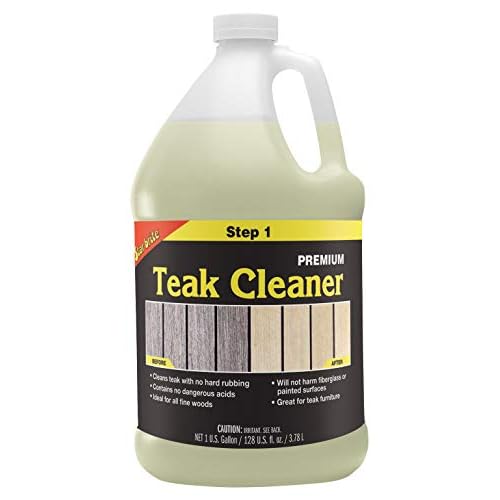
Consider applying a protective wax or oil periodically to maintain the natural luster. Choose products specifically designed for wood preservation. A thin layer every few months can prevent drying and cracking, ensuring longevity.
If your items do get scratched, simply use a matching wood stain or marker to conceal imperfections. For larger damages, sanding down the affected area and reapplying the finish can restore their appearance.
Maintenance of Bamboo Creations
Regular dusting with a soft cloth keeps surfaces clear and prevents buildup. I prefer microfiber cloths as they capture particles without scratching. Avoid using rough materials that can damage the finish.
Spills should be addressed immediately to prevent moisture damage. I use a damp cloth to blot, then dry the area thoroughly. Never saturate the wood, as excess moisture can lead to warping.
Applying a protective layer of natural wax or oil every few months preserves the beauty and protects against drying. For best results, I choose options free of harsh chemicals to ensure the safety of the material.
Using coasters and mats for hot or wet items is essential. This simple act minimizes direct contact and reduces risk of stains or heat damage.
Avoid placing in direct sunlight or near heat sources, as extreme temperatures can cause cracking or fading. I always ensure my items are in a stable environment.
Occasionally checking for loose connections or hardware helps maintain stability. Tightening screws or bolts as needed ensures longevity, keeping everything securely fastened.
Rotating items occasionally allows even wear and maintains their aesthetic appeal. I enjoy rearranging pieces regularly to refresh the space.
Using a soft brush to clean intricate designs ensures all areas are maintained. This prevents dust accumulation in hard-to-reach spots, preserving the detailed craftsmanship.
Choosing the Right Cleaning Products for Bamboo
I recommend using a gentle, pH-balanced soap or a specialized cleaner designed for natural materials. Avoid harsh chemicals, bleach, or abrasive scrubbing pads, as these can damage the surface and finish.
For a natural alternative, a mixture of water and vinegar works effectively. Combine equal parts of both in a spray bottle. This solution cleans without leaving harmful residues. Test it on a small, inconspicuous area before applying it widely.
Microfiber cloths are ideal for cleaning. They are soft and non-abrasive, effectively trapping dust and dirt without scratching the surface. Use a damp cloth for deeper cleaning, but ensure to dry the surface afterward to prevent moisture damage.
If you prefer commercial products, look for those labeled as safe for wood or natural materials. Always read the labels meticulously to ensure they don’t contain harmful substances that could compromise the integrity of your pieces.
Avoid oils or waxes unless specifically designed for use with natural fibers. These can leave a residue that attracts dirt and dust over time, diminishing the beauty of your decor.
Regular maintenance will prolong life and appearance, so I suggest establishing a routine with these appropriate products.
Daily Maintenance Tips for Bamboo Furniture
I recommend regularly dusting surfaces with a soft, dry cloth. This prevents buildup and maintains the natural luster of the material. For areas with noticeable grime, a damp cloth with mild soap can be effective. Be sure to wring out excess moisture to avoid water damage.
Routine Checks
I frequently inspect joints and connections for stability. Tightening bolts or screws can prevent wobbling and prolong functionality. If I notice any scratches, I gently buff them with fine-grit sandpaper, followed by applying a suitable finish to keep the surface smooth.
Avoiding Excessive Heat and Moisture
I make it a point to keep these objects away from direct sunlight and high humidity to prevent warping or fading. Utilizing coasters under drinks and placemats beneath plates can help reduce the risk of heat marks and scratches. Additionally, using a dehumidifier in damp environments aids in preserving the integrity of the material.
Removing Stains from Bamboo Surfaces
For effective stain removal, blot spills immediately with a soft cloth to prevent deeper absorption. For tougher stains, create a mixture of equal parts water and white vinegar. Apply it to the affected area using a sponge, then gently scrub in a circular motion. Rinse with a damp cloth and dry thoroughly.
Specific Types of Stains
For grease stains, sprinkle baking soda directly on the spot, let it sit for about 15 minutes to absorb the oil, then wipe away with a damp cloth. Blood stains require a specific approach: use cold water and dab the area gently. Avoid hot water, as it can set the stain.
Natural Alternatives
If preferring natural solutions, lemon juice mixed with baking soda forms a paste that effectively whitens and cleans. Apply it on the stained spot, leave it for a few minutes, and wipe it clean with a damp cloth.
Always do a spot test in an inconspicuous area to ensure no discoloration occurs. Regular maintenance can prevent stains from setting, allowing for easier cleaning in the long run.
Protecting Bamboo Furniture from Moisture Damage
I apply a few simple strategies to shield my wooden pieces from moisture. First, I insist on placing coasters under drinks to prevent spills and condensation from directly contacting the surfaces. Whenever possible, I ensure that plants or vases have trays to catch excess water. This prevents the absorption of moisture that can lead to warping or discoloration.
Humidity Control
I monitor the humidity levels in my home, using a dehumidifier if necessary. Maintaining a consistent level around 40-50% helps prevent my pieces from absorbing or losing moisture too quickly, thus extending their lifespan. I also avoid placing items near heat sources or air conditioning units, as these can cause rapid changes in moisture content.
Regular Inspection and Treatment
I regularly inspect for signs of moisture damage, especially during humid months. If I notice any swelling or discoloration, I lightly sand the affected area and apply a protective sealant made specifically for wood. This step is critical to reinforcing the barriers against humidity and water exposure.
Preventing Scratches and Dents on Bamboo Items
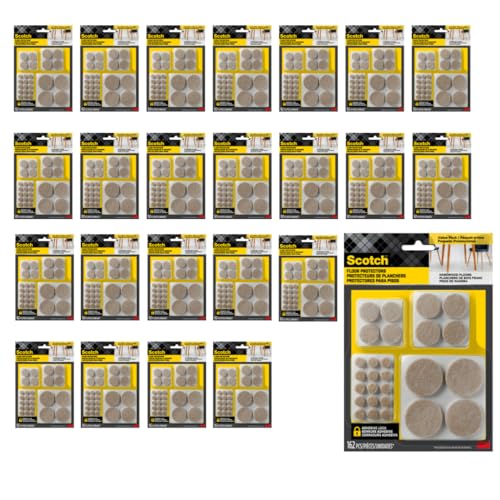
To protect against scrapes and indents, placing felt pads under objects is crucial. This simple addition minimizes friction between surfaces.
Additionally, avoiding direct contact with hard or sharp objects aids in maintaining a smooth finish. I often reposition heavy items instead of dragging them across the surface.
Regularly applying a protective coat of natural oil or matte finish helps in creating a barrier against minor abrasions. I recommend reapplying every few months, especially in high-traffic areas.
When moving items, lifting rather than sliding is necessary to reduce potential damage. It’s essential to handle pieces with care during cleaning or rearranging.
Finally, consider using coasters or trays for hot beverages or heavy decorative pieces. This added layer of protection ensures the surface remains unblemished.
Polishing Bamboo Furniture for Enhanced Appearance
To maintain the visual appeal of your natural grass pieces, I recommend polishing them every few months. This enhances the shine and brings out the natural grain.
Here’s a detailed approach for effective polishing:
- Select a suitable polish: Use a natural oil-based polish designed for wood or a specific product for grass items. Avoid harsh chemicals that may damage the surface.
- Clean the surface: Before polishing, wipe down the piece with a soft, damp cloth to remove dust and debris. Ensure that it’s completely dry before proceeding.
- Apply the polish: Use a clean, soft cloth to apply the polish evenly. I recommend working in small sections to ensure complete coverage.
- Buff the surface: After application, use a separate dry cloth to buff the surface gently. This will help achieve a smooth finish and enhance the luster.
Regular polishing not only maintains the beauty but also protects the finish from wear and tear. Always follow the manufacturer’s instructions regarding care and maintenance for the best results.
Storing Bamboo Furniture Properly to Avoid Warping
Maintain a consistent indoor climate by placing items in a location with stable temperature and humidity levels. Avoid areas near windows, heaters, or air conditioning vents to prevent exposure to extreme conditions.
Utilize breathable storage covers that allow air circulation while providing protection from dust and sunlight. Avoid plastic sheets, as they can trap moisture, leading to damage.
For long-term storage, disassemble larger pieces if possible, ensuring that individual components are stored flat to prevent unnecessary stress on joints, which can lead to warping.
Use protective padding, such as felt or fabric, between pieces if stacking is necessary. This reduces friction and minimizes the risk of scratches or dents.
Regularly check stored items for signs of moisture or pest infestations, addressing any issues immediately to maintain integrity.
Understanding the Effects of Sunlight on Bamboo
Limit direct exposure to sunlight to maintain the natural appearance and integrity of your pieces. Prolonged sunlight can lead to fading and discoloration, affecting the beauty of the material.
To protect against UV damage, consider using sheer curtains or positioning items strategically away from windows. If natural light access is necessary, applying UV-filtering window films can help mitigate harmful rays.
Implement occasional rotation of your decor to ensure even exposure when placed in sunny areas. This simple action helps prevent uneven fading.
In case of noticeable fading, consider using natural oils or conditioning products designed for this material, which can restore some vibrancy. Always test these products on a small, inconspicuous area first.
Keep in mind that humidity and temperature fluctuations can also impact how sunlight interacts with surfaces. Maintaining a stable environment contributes to the longevity and aesthetics of your items.
| Sunlight Effect | Recommended Action |
|---|---|
| Fading | Use curtains or UV films |
| Discoloration | Rotate items regularly |
| Surface Damage | Apply natural oils cautiously |
| Humidity Interaction | Maintain stable indoor climate |
Repairing Minor Damages on Bamboo Furniture
To address superficial scratches, I use a soft cloth with a small amount of coconut oil or mineral oil. I apply the oil lightly, rub it in circular motions over the scratch, and allow it to absorb. This method not only diminishes the scratch but also nourishes the surface.
Dealing with Cracks and Splits
For minor cracks, I choose wood glue designed for furniture repair. I insert it carefully into the crack using a small applicator. After applying the glue, I press the edges together and hold them for several minutes until set. For deeper splits, I may consider using clamps to secure the pieces while the glue dries.
Repairing Dents
To repair small dents, I wet a cloth and place it over the dented area. Then, I apply a hot iron over the cloth for several seconds. The steam will help the fibers swell, often reducing the appearance of the dent. Once the area cools, I gently buff it with fine sandpaper if necessary.
- Keep the surface dry after repairs.
- Regularly inspect for new damages.
- Consider a touch-up pen that matches the finish for minor cosmetic issues, which can blend into the surface without extensive work.
These techniques have proven effective for maintaining the aesthetic appeal and functionality of my items, ensuring they remain durable and inviting over time.


