Caleb Turner
Begin with a thorough cleaning of your articles using a soft cloth and a specialized cleaner formulated for such materials. Avoid harsh chemicals that can damage the surface quality. Afterward, apply a conditioner to maintain moisture levels and preserve flexibility.
Wrap each piece in a breathable fabric, like cotton or linen, to protect against dust and potential scratches. Using plastic covers can lead to moisture buildup, which may cause mold and mildew. Ensure that the items are kept upright if they are long or tall to prevent distortion to their original shape.
When selecting a location within the facility, opt for a climate-controlled area to maintain an appropriate temperature and humidity level. Excessive heat or cold can lead to cracking or fading over time. Additionally, elevate the items off the ground using pallets or furniture risers to prevent contact with any potential water or spills.
Regularly inspect the contents and the environment. This proactive approach will allow me to catch any issues early and take necessary precautions to ensure the longevity of my items.
How to Store Leather Furniture in a Storage Unit
Prepare the items using a specialized cleaner to ensure they are free of dirt and oils before placing them away. Always allow the pieces to dry thoroughly to avoid moisture buildup.


Utilize breathable covers made from cotton or fabric to protect the upholstery while preventing dampness. Avoid plastic covers, as they can trap humidity and lead to mold or mildew.
Place cushions and pillows in a designated area where they won’t get compressed or misshapen. Consider using vacuum bags for soft items, ensuring they maintain their original shape.
When arranging the pieces, stack lighter items on top of heavier ones. This reduces stress on the structure and helps maintain the integrity of the overall form.
Check the climate control options available for the space. A controlled environment helps prevent temperature fluctuations, which can damage the material. Humidity levels should ideally be between 40-60% to preserve the quality.
Periodically inspect the stored goods to ensure that they remain in good condition. Look for any signs of wear, pests, or moisture problems, and address them immediately.
Choosing the Right Storage Space Size for Leather Furniture
I recommend assessing the dimensions of each piece you plan to put away. Measure width, depth, and height, ensuring to account for any additional items that may also require placement alongside. It’s vital to ensure there is enough clearance around items for ventilation, preventing moisture buildup.
A 5×10 space can accommodate a small sofa or armchair with a few accessories. For larger collections or more expansive pieces, like sectionals or multiple items, consider a 10×10 space. This allows for better organization and reduces the risk of damage from overcrowding.
If you have oversized items, such as a large couch or an entertainment center, a 10×15 area is usually suitable. It provides ample room for maneuvering during insertion and removal while also supporting any protective coverings you may wish to use.
I suggest making a list of each item and grouping them by size. This approach makes it easier to visualize the required space and makes planning more efficient. Utilizing shelving can also help maximize vertical space if you’re short on room.
Always leave some space for future additions or accessible pathways. Remember to consider the potential for expansion; this foresight can save you time and hassle down the line.
Preparing Leather Goods for Storage: Cleaning and Conditioning
Thoroughly clean the surface with a soft, damp cloth, removing dust and dirt. For deeper stains, a gentle soap solution can be used. Avoid using household cleaners that contain harsh chemicals, as they can damage the material.
Conditioning Steps
- Apply a specialized conditioner designed for the type of material. This enhances flexibility and prevents cracks.
- Focus on dry areas by gently rubbing the conditioner into the surface. Use a soft cloth for even application.
- Let it sit for the recommended time as per the product instructions, and then buff with a clean cloth to remove any excess product.
Final Preparation Tips
- Allow enough drying time before placing items in a covered area.
- Use breathable covers that prevent dust while allowing airflow, avoiding plastic wraps that can trap moisture.
- Consider adding silica gel packets to combat humidity and maintain the quality of the pieces.
Protecting Leather from Moisture and Humidity in Storage
I recommend using a dehumidifier in the space to maintain an optimal humidity level between 40% and 50%. This will help prevent mold and mildew from forming on the surfaces of your items.
Wrapping each piece in breathable fabric, like cotton or muslin, will allow air circulation while protecting against dust and moisture. Avoid using plastic covers, as they can trap humidity and create a breeding ground for mold.
Using silica gel packets or other desiccants inside the covers can further absorb excess moisture. Placing these packets strategically around your items will enhance their dryness.
Regularly check the environment for any signs of dampness or water leaks. If you notice any moisture, address it immediately to prevent deterioration.
Additionally, I suggest keeping the stored pieces raised off the ground, using pallets or shelving. This will minimize contact with any potential moisture from the floor.
To enhance protection, consider periodically applying a leather conditioner while the pieces are still accessible. This will maintain the suppleness and resilience of the material against environmental changes.
Using Covers and Blankets for Protection
I recommend investing in high-quality covers and blankets specifically designed to safeguard items against dust, scratches, and potential damage during transit or long-term absence. Look for breathable fabric to avoid trapping moisture, which can lead to mold and mildew development.
Selecting the Right Cover
Choose covers made from soft materials that won’t abrade surfaces. A cotton or microfiber cover can provide a gentle layer of protection. Ensure the cover fits snugly, reducing the likelihood of shifting during movement. For added security, you can use elastic bands or ties to keep the covers in place.
<h3. Layering with Blankets
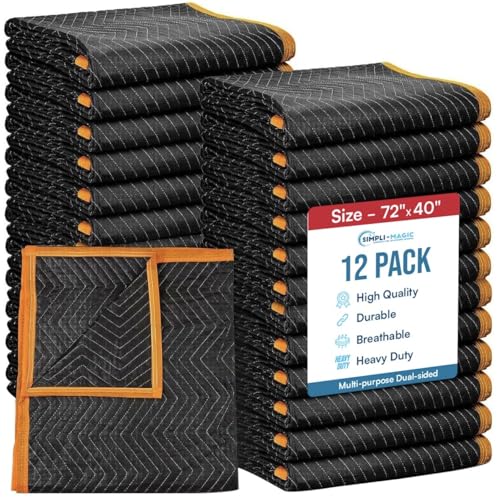
Layering soft, thick blankets over the covered items adds a cushioning effect. This helps minimize impacts from external forces. Use multiple blankets to protect vulnerable areas such as arms and legs. Take care to secure these blankets properly, preventing them from slipping off or getting tangled.
Avoiding Direct Sunlight and Heat Sources in Storage
To ensure longevity of your items, it’s crucial to keep them away from direct sunlight. Sun exposure can fade colors and dry out materials, leading to cracks and damage.
Here are specific actions to take:
- Choose an indoor location for placement away from windows. This will minimize light exposure.
- Use blackout curtains or screens around the area to block sunlight effectively.
- Avoid placing near heating vents or radiators, as excessive heat can cause materials to warp.
Monitor the room temperature; ideal conditions should remain between 60-75°F. Use a thermometer to maintain a stable environment, as fluctuations can cause materials to expand and contract.
Utilize a hygrometer to measure humidity levels. Keeping the humidity below 50% helps prevent mold while maintaining an appropriate balance to avoid drying out the material.
Consider utilizing a dehumidifier if the space tends to be damp, ensuring a protective atmosphere away from both moisture and heat sources.
Avoid placing items directly on the floor, as ground temperatures often vary, particularly in concrete settings. Use pallets or shelves to elevate.
Finally, inspect your items regularly for any signs of fading or temperature damage, allowing for immediate adjustments if needed.
Stacking and Arranging Leather Furniture in Storage Unit
Begin with the larger pieces, placing them on the bottom. This helps distribute weight evenly and keeps smaller items stable. Use pallets or wooden boards to elevate items off the floor, preventing moisture absorption.
Utilize Vertical Space
Maximize vertical space by stacking items strategically. Ensure that heavier items are at the base to create a solid foundation. Avoid stacking too high, as this may risk tipping and damaging the pieces.
Orientation Matters
Place items in a way that minimizes pressure on their surfaces. Orient chairs and sofas on their legs, not on the cushions, to prevent deformation. Maintain a gap between pieces, allowing for air circulation, crucial for maintaining the integrity of the materials.
For smaller items like ottomans or cushions, consider nesting them inside larger pieces to save space and keep them protected. Regularly check on the arrangement to ensure stability and adjust as needed.
Regularly Inspecting Leather Furniture During Storage
It’s critical to check your items periodically. I recommend scheduling inspections every few months. During each visit, examine surfaces for any signs of damage or wear. Look for cracks, fading, or discoloration, which may indicate changes in the environment or insufficient protection.
Inspect any protective coverings for tears or moisture accumulation. Ensure that the area remains dry and well-ventilated to prevent mold growth. If you notice any dampness, consider using a dehumidifier or moisture absorber to regulate humidity levels.
| Inspection Task | Frequency | Action If Issues Found |
|---|---|---|
| Surface Check | Every 3 months | Treat any discovered cracks or discoloration |
| Inspect Protective Covers | Every 3 months | Replace if damaged or soiled |
| Moisture Level Check | Monthly | Use dehumidifier if necessary |
In addition to physical inspections, I take note of any changes in scent. A musty odor can signal moisture issues. If I detect such odors, I address them immediately to protect my valuables.
By committing to these routine checks, I ensure the longevity of my cherished items and maintain their condition while they are tucked away. Consistent vigilance pays off in the long run.
Tips for Long-Term Storage of Leather Furniture
Ensure the environment is stable; temperature should stay around 65-70°F with humidity levels close to 50%. Fluctuations can cause damage over time.
Conditioning Before Long-Term Care
Apply a quality leather conditioner before placing items away. This nourishes the material and reduces the chances of drying out or developing cracks.
Regular Monitoring
Check on the items every few months. Look for any signs of mold, mildew, or pests. Maintaining attention allows for early intervention if problems arise.
Opt for non-fabric covers made from breathable materials. This protects against dust while allowing air circulation to prevent moisture accumulation.
If possible, elevate pieces off the ground using pallets or blocks. This aids airflow and protects against any unforeseen flooding or spills.
Preparing for Transporting Leather Furniture to Storage
Prioritize cleaning each piece thoroughly, ensuring there’s no dust or dirt. Use a soft, damp cloth combined with a mild soap solution to wipe down surfaces. This helps prevent scratches or marks during transit.
Conditioning comes next. Applying a quality leather conditioner not only revitalizes the material but also offers protection against future damage. Make sure to follow the product instructions for optimal results.
Disassemble larger pieces, if possible. Removing legs from sofas or chairs can minimize space and enhance stability during transport. Keep all hardware in labeled bags to avoid confusion later.
Utilize padded blankets or moving pads as protective layers. Wrapping items individually prevents movement-related scratches. Secure the padding with tape or ties, but ensure it won’t leave a residue.
Organize a suitable vehicle for transportation. A truck or van with ample space ensures that items aren’t stacked awkwardly, which can lead to damage. Straps can help keep everything in place during travel.
Before loading, check the weather conditions. Avoid attempting to move during rain or extreme temperatures, as these can affect the condition of the materials.
Finally, communicate with any helpers about the delicacy of the pieces. A shared understanding of the importance of careful handling leads to a smoother transport process.
FAQ:
What are the best conditions for storing leather furniture in a storage unit?
When storing leather furniture, it’s important to keep it in a climate-controlled environment. Extreme temperatures and humidity can cause the leather to crack or mold. Aim for a temperature between 60-80°F and keep the humidity around 40-50%. This helps maintain the leather’s natural oils and prevents damage. Additionally, avoid direct sunlight exposure, which can fade the color and dry out the material.
How should I prepare my leather furniture before putting it into storage?
Before storing your leather furniture, clean it thoroughly with a leather cleaner to remove dirt and oils. After cleaning, apply a good quality leather conditioner to nourish the material. This preparation helps prevent cracks and keeps the leather supple during storage. Also, consider disassembling any removable parts, like legs or cushions, to save space and prevent shifting during transportation.
Is it necessary to cover leather furniture in a storage unit? If so, what material should I use?
Yes, covering your leather furniture is advisable to protect it from dust and potential scratches. Use breathable fabric covers or cotton sheets; avoid plastic, as it can trap moisture and lead to mold growth. Make sure the cover is loose enough to allow air circulation. This precaution helps maintain the leather’s condition while minimizing the risk of long-term damage.
How often should I check on my leather furniture in storage?
It’s a good idea to visit your storage unit every few months to check on your leather furniture. This allows you to inspect for any signs of damage, such as moisture build-up or pests. During these visits, you can also reapply leather conditioner if needed. Maintaining regular checks ensures that you can address any issues before they become serious and keeps your furniture in the best possible condition.