Caleb Turner

To achieve a fresh start on your cherished bamboo item, a mixture of warm water and mild soap can work wonders. Gently scrub the surface using a soft cloth or sponge, ensuring to follow the grain. This will lift off layers of unwanted color while preserving the integrity of the material.
If you’re dealing with stubborn residue, I recommend using a mixture of vinegar and baking soda. Apply this paste liberally, allowing it to sit for about 15 minutes. After that, scrub lightly. This combination effectively breaks down the remnants without damaging the underlying structure.
For deeper refinishing, an orbital sander with fine-grit sandpaper can help restore the original hue. Always sand in the direction of the grain to avoid scratches. Finish with a damp cloth to remove excess dust and allow the surface to dry completely.


Finally, consider applying a natural oil or varnish to nourish the wood once the unwanted layer is lifted. This not only enhances its appearance but also protects it from future wear and tear.
Removing Stains from Bamboo Creations
Apply a mixture of baking soda and water, creating a paste. Gently rub this paste onto the stained surface using a soft cloth. The granular properties of baking soda effectively lift unwanted residues without damaging the underlying material.
After scrubbing, rinse with warm water and dry with a clean towel. For tougher spots, introduce white vinegar to the mixture. Let it sit for a few minutes before attempting to wipe it away, as the acidity helps break down the stains.
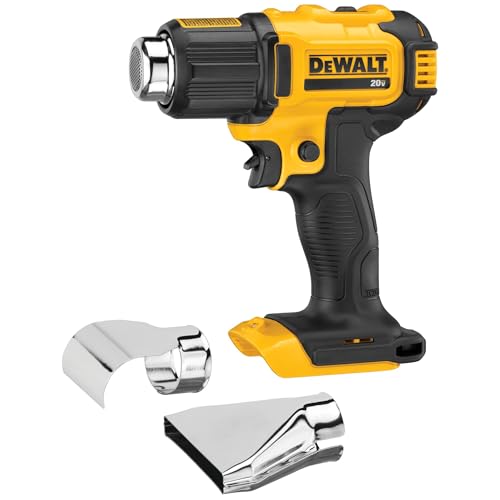
Use a heat gun or hairdryer on low settings to soften any stubborn residues. Hold the device a few inches away and move it continuously to avoid scorching the surface. Once softened, use a plastic scraper to gently lift the debris. Be cautious not to exert too much pressure to preserve the natural finish.
| Method | Effective For | Tools Needed |
|---|---|---|
| Baking Soda Paste | General stains | Baking soda, water, cloth |
| White Vinegar Treatment | Tougher spots | White vinegar, cloth |
| Heat Application | Stubborn residues | Heat gun or hairdryer, plastic scraper |
For a thorough clean, consider using a natural soap diluted in water. Applicate using a soft sponge, ensuring to rinse thoroughly to prevent any soap residue. Finally, always allow the item to dry completely before applying any finishes or sealants.
Assess the Type of Paint on Bamboo
Identifying the specific coating allows for targeted action. Begin by checking whether it’s oil-based, latex, or a water-based variant. Oil-based finishes often require more aggressive techniques, like solvents or paint thinners. In contrast, latex accumulations typically respond well to soap and water, while water-based layers might lift easily with steam.
Testing for Composition
A simple test can indicate the paint type. Dampen a cloth with rubbing alcohol. Gently rub a small area; if the coating softens and comes off, it’s likely a latex or water-based finish. If not, you’re likely dealing with an oil-based variety. This knowledge will enhance your approach, ensuring you choose the right materials for effective stripping.
Consider the Finish
Next, evaluate whether the finish is glossy, matte, or satin. Glossy surfaces may resist stripping methods, necessitating a light sanding beforehand. Meanwhile, matte finishes can often be treated with milder techniques. Understanding the sheen will guide your choice of tools and products, maximizing efficiency in the following steps.
Gather Necessary Materials for Paint Removal
Collect a sturdy putty knife or scraper to assist in peeling off the old finish without damaging the surface. Acquire soft cloths or sponges to apply cleaning solutions effectively. Choose an appropriate solvent based on the type of coating identified earlier–options include mineral spirits or a specialized paint remover that suits wooden surfaces.
Additional Tools
Include a sanding block or sandpaper (fine and medium grit) to smooth out the surface post-removal. A paintbrush can be useful for applying solutions or sealants later. Don’t forget protective gear–gloves and safety goggles will safeguard against irritants.
Work Area Setup
Prepare a well-ventilated workspace, laying down a drop cloth to catch any debris, ensuring easy cleanup. A container to hold removed material is advisable to maintain organization during the project.
Test a Small Area Before Full Application
I recommend selecting an inconspicuous section of the item to conduct a test. This minimizes the risk of causing damage to the entire surface. Apply the chosen agent on a small spot and observe the reaction. Wait a few minutes to gauge its effect on the finish and material integrity.
Procedure for Testing
1. Clean the area gently to remove any dust or debris. This ensures accurate results from the treatment.
2. Using a cotton swab or cloth, apply a small amount of the solvent or stripping solution.
3. Monitor how the finish behaves; an immediate reaction may indicate compatibility, while no change suggests a need for alternative methods.
Assessing Results
If the test area shows positive results, proceed cautiously with the main application. If there’s discoloration, bubbling, or any adverse effects, reconsider the approach or switch to a gentler method. Always prioritize maintaining the aesthetic and structural quality of your piece.
Applying Chemical Paint Stripper Safely
Before using a chemical agent, ensure adequate ventilation. Open windows and doors, and consider using a fan for airflow. This minimizes inhalation risks.
Personal Protective Equipment (PPE)
- Wear gloves to protect skin from irritants.
- Use goggles to shield your eyes from splashes.
- A mask with appropriate filtration can prevent inhaling harmful fumes.
When handling the agent, apply it carefully with a brush or a spatula, ensuring no spills occur. Follow the manufacturer’s guidelines regarding dwell time; leaving it on too long can damage the underlying surface.
Disposal and Cleanup
- Dispose of any used materials in accordance with local regulations.
- Clean tools and brushes immediately after use to avoid degradation of the equipment.
Always wash hands thoroughly with soap and water after completing the task, regardless of glove use. Following these steps will help maintain safety while achieving a clean finish on your item.
Using Heat Gun Techniques for Paint Removal
Using a heat gun can be a highly effective method for stripping coatings without damaging underlying materials. Ensure you select a gun with adjustable temperature settings, ideally starting around 300°F (150°C). This allows for controlled heating, minimizing the risk of scorching.
Preparation and Application
Before using the heat tool, clear the surrounding area and wear appropriate protective gear, such as safety goggles and gloves. I direct the hot air at the coating in a steady motion, keeping the nozzle a few inches above the surface. Focus on a small section at a time to prevent overheating.
Post-Application Clean-Up
Once the material begins to bubble and lift, carefully scrape it off using a putty knife. I prefer a plastic scraper to avoid scratching. Afterward, clean the surface with a damp cloth to remove any residue. This method leaves surfaces ready for refinishing.
Manual Scraping Techniques for Stubborn Spots
For persistent areas of color on surface layers, I recommend a sharp-edged scraper or putty knife. Hold it at a shallow angle to avoid gouging the underlying material while applying pressure to lift the stubborn residues. Ensure that the blade is clean to prevent additional scratches.
Choosing the Right Scraper
Select a plastic scraper for delicate sections to minimize damage. Metal tools work effectively on tougher spots but require caution. Maintain a steady hand and leverage the blade to ease the removal process without excessive force.
Technique Application
Start at the edges of the unwanted residue and gently push the scraper toward the center. Repeat this motion until you’ve lifted the majority. If residues persist, dampen the area with a soft cloth soaked in a suitable solvent for a few minutes. This helps soften the materials, making subsequent scraping more manageable.
Cleaning the Bamboo Surface After Paint Removal
After tackling the task of stripping the finish, it’s crucial to ensure the underlying surface is immaculate. First, gather warm soapy water and a soft cloth for this cleaning stage.
Steps to Clean the Surface
- Mix a few drops of mild dish soap with warm water in a bowl or bucket.
- Dip the cloth into the soapy solution, wring it out to prevent excess moisture, and gently wipe down the exposed areas.
- Focus on any residues left behind; repeat the wiping process until the surface appears free of debris.
After the initial cleaning, rinsing is important:
- Prepare a second cloth soaked in clean water to remove any soap traces.
- Wipe the surface thoroughly to ensure no soap is lingering, which could interfere with future treatments.
Drying and Inspection
Allow the surface to air dry completely. Once dried, inspect for any imperfections or spots that may need a second round of cleaning. If necessary, repeat the cleaning process until satisfied with the results.
For those who wish to go a step further, consider applying a suitable wood conditioner or sealer to restore the natural beauty and protect it moving forward. This will revitalize the finish and enhance the appearance of the item.
Repairing Any Damage to Bamboo Furniture
I recommend addressing scratches and dents promptly to maintain the overall appearance of your items. Use a fine-grit sandpaper to gently smooth out any surface imperfections. Be careful not to sand too aggressively, as this can damage the fine texture.
For deeper gouges, I find that filling them with a wood filler that closely matches the natural color of the item works wonders. Once the filler dries, sand it down to blend seamlessly with the rest of the surface.
In case of larger cracks, utilizing wood glue is advantageous. Apply the adhesive deep into the crack, then clamp the area securely until it dries. After that, sand the area lightly to create an even finish.
To revive the shine of the surface, I recommend using a natural oil, such as tung or linseed oil. It not only nourishes the material but also provides a protective layer against future damage. Apply a thin coat with a soft cloth, allowing it to absorb for a few minutes before buffing it out.
- Inspect for any rough spots regularly.
- Keep moisture levels consistent to avoid warping.
- Store items in a controlled environment to prevent cracking.
Routine maintenance is key. A light polish every few months using a suitable furniture wax can help protect the finish and enhance its beauty. I often recommend avoiding harsh chemicals that can degrade the surface.
Refinishing Bamboo Furniture Post-Paint Removal
Once the old coating is eliminated, it’s essential to restore the surface to ensure longevity and aesthetic appeal. Begin with thorough sanding using fine-grit sandpaper. This not only smooths the surface but also prepares it for new finishes. Focus on areas where the coating was stubborn. Use a sanding block for flat surfaces and a sanding sponge or detail sander for intricate designs.
After sanding, clean the dust thoroughly with a damp cloth to avoid any residues. Once the surface has dried, consider applying a suitable sealer or finish to enhance the natural beauty of the material. Options include tung oil, lacquer, or a penetrating finish meant for wood types similar to bamboo. Test any product on a small area first; this ensures compatibility and reveals how the finish interacts with the underlying material.
Recommended Finishing Techniques
| Technique | Description |
|---|---|
| Brushing | Use a high-quality brush for even application of varnish or oil. |
| Wiping | A lint-free cloth can create a smooth finish when applying oil. |
| Spraying | Utilize a spray can for a fine, smooth coat, especially for intricate details. |
Allow sufficient drying time as specified by the product instructions. Multiple thin coats yield a better finish than a single thick one. Ensure each layer is completely dry before applying the next. Finally, a light buffing with a soft cloth after the final coat can enhance shine and protect the surface against wear.