
 Caleb Turner

Begin by using a simple method: apply steam to the affected area. A steam iron can effectively loosen the fibers. Hold it a few inches away to avoid burning.
Next, use a spoon or a similar tool to gently lift the fibers back into their original position. Be patient and work carefully to avoid causing any additional damage.
After restoring the texture, dampen a clean cloth and press it lightly on the area. Allow it to dry naturally, ensuring the fibers maintain their shape. This technique often yields impressive results!
For deeper marks, consider ice cubes. Place them directly onto the dent and let them sit until they melt. Once the moisture has worked its magic, fluff the area with your fingers or a soft brush.
Finally, regular vacuuming helps keep your flooring looking fresh. This prevents dirt buildup and maintains the overall texture and appearance of the surface.

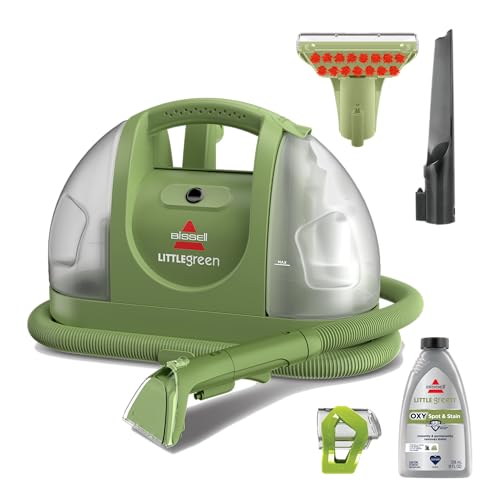
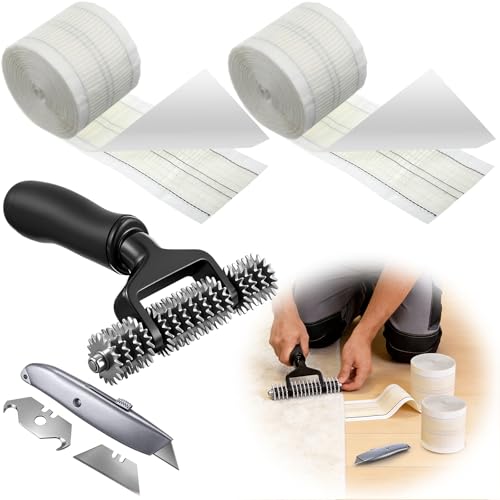
Tips for Restoring Indentations on Plush Flooring
For quick restoration, a simple ice cube can be your ally. Place one in the affected area and allow it to melt. The moisture helps lift the fibers. Once the water has absorbed, gently fluff the section with your fingers or a fork to separate the strands.
Steam Method
If ice cubes aren’t feasible, a steam iron can do wonders. Hold the iron at a distance to avoid direct contact, and let the steam penetrate the area. Afterward, use a soft brush to fluff the fibers back into shape.
Preventive Measures
<p consider placing coasters or protective pads under the legs of heavy items to prevent future impressions. Regularly rotate your pieces can also help distribute weight and maintain the appearance of your flooring.
Using these techniques can significantly enhance the look of your carpet and prolong its life, ensuring it remains a beautiful feature of your space.
Assessing the Damage to Your Berber Carpet
Begin by examining the affected area closely. Pay attention to the texture and fiber integrity. Gently run your hand over the imprints to detect any changes in the softness of the fibers. If you notice that some areas feel matted or flattened, mark them for treatment.
Identifying the Severity
Classify the damage into minor, moderate, or severe. Minor issues typically involve slight compressions that can easily restore. Moderate concerns might consist of visible markings, while severe damage may present as frayed fibers or extensive plush loss. Documenting these assessments with photos can help track your progress.
Gather Necessary Tools
For effective treatment, assemble tools such as a stiff-bristled brush, a steam iron, and a towel. This will prepare you to address various degrees of damage adequately. Knowing the tools on hand ensures a focused approach to revitalize the impacted sections without further compromising the texture.
Gathering Necessary Tools and Materials
To tackle the issue at hand, I first gather a selection of items that will facilitate the process. Here’s what I need:
Required Items
| Item | Purpose |
|---|---|
| Ice cubes | Used for chilling the area, causing fibers to expand. |
| Spray bottle | For misting moisture onto the compressed fibers. |
| Soft cloth or towel | To gently lift and fluff the fibers post-treatment. |
| Steam iron | To provide heat for setting the fibers in their proper position. |
| Vacuum cleaner | To remove debris and lift the fibers before and after treatment. |
| Brush with soft bristles | For brushing the fibers back into place. |
Collecting these tools ensures I’m prepared for each step in restoring the flooring’s original appearance. Having these materials within reach streamlines the process significantly.
Using Moisture to Lift Carpet Dents
I found that one of the most straightforward methods to address those unsightly impressions is by utilizing moisture. Start by lightly spritzing the affected area with water, ensuring it’s damp but not soaked. A spray bottle works wonders for this task.
Next, place a clean white cloth or paper towel over the moist spot. Then, take a warm iron and gently press it onto the cloth for a few seconds. The heat combined with the moisture helps relax the fibers. Be careful not to touch the iron directly to the carpet to avoid burns or further damage.
After removing the iron, check the area. If needed, repeat the process a couple of times until the fibers start to bounce back. It’s essential to allow the area to dry completely before walking on it again to prevent any new impressions from forming.
This technique is particularly beneficial because it relies on common household items, making it both accessible and cost-effective for many. Additionally, the use of moisture revitalizes the fibers, leading to a fresher appearance overall.
Applying Heat to Restore Carpet Fibers
Utilizing heat can effectively rejuvenate crushed fibers. I recommend using a simple technique involving a damp cloth and a steam iron. First, dampen a cotton cloth and place it over the affected area. Ensure the cloth is not soaking wet, just mildly damp to prevent moisture damage.
Next, set the steam iron to a low heat setting without steam. Gently press the iron onto the cloth for a few seconds. The heat will help relax the fibers underneath, allowing them to bounce back. Avoid direct contact with the carpet to prevent burns.
After applying heat, use your fingers or a soft brush to fluff the fibers upwards gently. This helps in restoring the original texture. Repeat the process as needed, checking fiber recovery after each application.
| Step | Description |
|---|---|
| 1 | Dampen a cotton cloth and place it over the damaged area. |
| 2 | Set the steam iron on low heat. |
| 3 | Press the iron gently onto the cloth for a few seconds. |
| 4 | Fluff the fibers with fingers or a soft brush. |
Monitoring the process is important to prevent overheating. This method can be particularly effective on natural fiber carpets, ensuring a refreshed look without costly repairs.
Utilizing Ice Cubes for Deep Dents
I find that ice cubes are an excellent method for restoring heavily compressed sections in a rug. The cold temperature can rehydrate the fibers and help reset their shape.
Follow these steps for optimal results:
- Gather a few ice cubes and place them directly onto the affected area.
- Allow the ice to sit for several hours, letting it melt slowly. This process ensures that moisture penetrates deep into the fibers.
- After the ice has completely melted, gently fluff the area with your fingers or a fork. This helps separate the fibers and regain their original texture.
- If necessary, use a fan or open windows to accelerate drying, preventing any mold development.
This technique is particularly useful for those stubborn impressions that don’t respond well to other methods. The combination of cold and moisture is often just what the fibers need to bounce back.
Brushing Techniques for Carpet Restoration
Utilizing the right brushing techniques can significantly improve the appearance of the fibers after addressing indentation issues. I recommend the following steps to enhance restoration.
-
Select a brush with soft, natural bristles. Avoid synthetic options that might cause damage to delicate fibers.
-
Gently brush the affected area in the direction of the fibers. This helps lift and realign them, contributing to a more uniform texture. I find that a light touch is key to preventing further damage.
-
For deeper marks, employ a flicking motion with the bristles. This technique can effectively tease the fibers back into place. Work in small sections to maintain control.
-
Once the fibers are adequately lifted, use a vacuum cleaner with a brush attachment to remove any debris. This step is essential to reveal improvements and maintain cleanliness.
-
Regular brushing, even without indentation issues, helps keep the carpet looking fresh and prevents matting. Integrate brushing into your maintenance routine.
Following these techniques can greatly enhance the visual appeal and longevity of the flooring. Patience and consistent care will yield the best results over time.
Preventing Future Marks in Berber Carpet
Position furniture on coasters or pads to distribute weight evenly, preventing impressions in your flooring. Choose protective furniture leg caps made of soft materials. This small investment protects surfaces from direct contact and reduces the risk of compression.
Regular Maintenance
Vacuum regularly using a vacuum cleaner without a beater bar to avoid pulling fibers and causing damage. Schedule periodic deep cleanings, utilizing professionals when necessary, to maintain carpet integrity and ward off unwanted impressions.
Furniture Arrangement Strategy
Rearranging heavy items occasionally minimizes the likelihood of lasting marks. Alternating furniture layout helps keep pressure points from becoming permanent. Plan your room layout thoughtfully, considering the distribution of weight across the flooring.
Choosing Furniture Leg Caps to Avoid Damage
I recommend investing in high-quality leg caps to protect flooring. Look for rubber or silicone options, which provide a stable grip while preventing scratches and indentations. Ensure they fit snugly on the legs of your items; loose caps can slide off and fail to offer adequate protection.
If you’re dealing with particularly heavy pieces, consider wider caps that distribute weight evenly. This design minimizes pressure points that can lead to marks. For outdoor furniture, UV-resistant materials are ideal to withstand varying weather conditions while still safeguarding your surface.
When shopping, examine the tread pattern of the caps. Textured bottoms promote better traction and help avoid slipping. In addition, ensure they are easy to install; some come with adhesive or screw-on features for added stability.
Regularly inspect your caps for wear and tear. Replacing them when necessary prolongs the life of your flooring and maintains its appearance. With the right caps applied, you can enjoy your living spaces without worrying about potential damage.
When to Call a Professional for Repair
If your attempts to restore the surface are unsuccessful, it’s wise to consider professional assistance. Here are specific situations to watch for:
- Extensive Damage: If the affected area is broad or involves multiple impressions, a specialist can provide a thorough evaluation and repair.
- Persistent Indentations: After employing home remedies, if marks remain, external expertise may be required to avoid further complications.
- Material Compromise: If the fibers appear frayed or discolored, professionals have access to materials and methods that can effectively address these issues.
- Inexperienced Handling: If previous do-it-yourself attempts have worsened the damage, seeking help can prevent additional costs and headaches.
- Time Constraints: If your schedule is packed, it might be more efficient to enlist a specialist instead of dedicating time to various repair attempts.
Consulting with experts not only saves time but also ensures that your surface gets the care it needs without causing further harm.


