Caleb Turner

For anyone looking to enhance the practicality of their belongings, attaching rolling supports is a straightforward solution. Start by selecting the appropriate type to match the dimensions and weight of your piece. Heavy-duty options are available and should be your choice for larger items to ensure stability.
Gather essential tools such as a drill, screwdriver, and measuring tape. Accuracy is key; measure and mark the position for each mount precisely. Use a drill to create holes without damaging the structure, and then secure the swiveling bases firmly. It’s wise to check the alignment before fully tightening the screws.


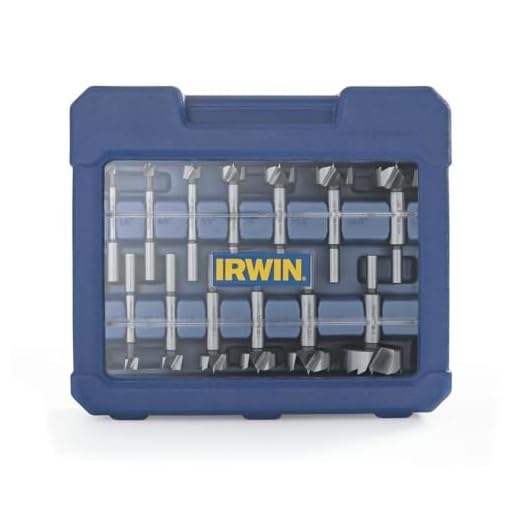
After installation, test the movement to ensure smooth functionality. Consider adding locks for stationary use on heavier items, providing both mobility and stability as needed. This simple addition can transform how you use and arrange your possessions, making spaces more versatile.
Installing Mobility Fixtures on Your Items
Begin by gathering the necessary tools: a drill, screwdriver, measuring tape, and a pencil. Measure the distance from the floor to the desired height of your item. Mark the points where the fixtures will be attached.
Once you’ve marked the locations, use the drill to create holes for each wheel’s mounting plate. Ensure these holes are straight and aligned to maintain balance. Select the appropriate size screws that come with the mobility fixtures to ensure a secure fit.
| Type of Mobility Fixture | Recommended Screw Size | Mounting Plate Diameter |
|---|---|---|
| Standard | 1 inch | 2 inches |
| Locking | 1.5 inches | 2.5 inches |
| Low-Profile | 0.75 inches | 1.5 inches |
Align the mounting plate with the drilled holes, ensuring the fixture faces outward. Insert screws through the plate and tighten securely with a screwdriver. Repeat this for all purchased items to enhance mobility.
Lastly, check stability by gently moving the item back and forth to ensure everything is secured properly. If any wobbling occurs, re-tighten the screws. This installation method guarantees reliability and ease of use for your belongings.
Selecting the Right Caster Wheels for Your Furniture
Choose the appropriate size, weight capacity, and material for optimal mobility and stability. Measure the height of your item to determine the diameter needed, typically ranging from 2 inches to 5 inches.
Weight Capacity
Ensure the selected options can support the combined weight of the piece and any additional load. Look for wheels designed to handle three to five times the expected weight for safety.
Surface Compatibility
Consider the surfaces where the item will be used. Hard surfaces may require softer materials like rubber for quiet movement, while carpeted areas benefit from harder options for better glide.
Adjust the swivel and lock features. Swiveling wheels enhance maneuverability, while locking mechanisms provide stability when stationary. Test these features before finalizing your choice.
Finally, consider the aesthetics. Match the style and color of the wheels with your item for a cohesive look.
Tools Needed for Installing Caster Wheels
I recommend having the following tools ready before beginning the installation process:
A power drill is crucial for creating precise holes in the base if needed. Ensure to have drill bits that match the size of the screws provided with the new rolling components.
A screwdriver, preferably a cordless one, streamlines the fastening process. Select one that suits the type of screws included with your mobility accessories.
A measuring tape aids in determining the correct positioning for each unit, ensuring even placement across the surface.
A level comes in handy for verifying that each component is properly aligned, preventing wobbling when in use.
If you face a particularly sturdy bottom, a chisel may be needed to create space for the wheel fixtures, making it easier to secure them firmly.
I suggest keeping a pair of safety goggles close by, especially when drilling or chiseling, to protect your eyes from debris.
Lastly, a workbench or stable surface to hold the piece securely during the installation process can prevent accidents and enhance precision.
Preparing Furniture for Wheel Installation
Ensure stability by first flipping the item upside down on a soft surface. This prevents scratches and damage during modifications.
Check the legs or base for evenness; use a level if necessary. This will help in aligning the auxiliary elements properly.
Remove Existing Hardware
If there are any existing feet or glides, remove them carefully with a screwdriver or pliers. Clean the area to eliminate dust or debris, ensuring a solid surface for attachment.
Measure and Mark
Measure the required height and mark drill points precisely to guarantee uniform addition of the mobility accessories. Utilizing a tape measure will help maintain consistency across all points.
Measuring and Marking Drill Holes Accurately
I always begin by determining the height at which I want to install the rolling components. To ensure alignment, I measure the distance from the bottom of the item to the desired height using a tape measure. It’s essential that these measurements are consistent across all corners for balance.
Using a Square Tool
A carpenter’s square helps maintain right angles during this process. I place the square at the corner of the base and extend it to my height mark. This ensures drill holes will be perpendicular and provide stability once the components are affixed.
Marking the Drill Holes
Once I have my height measurements, I utilize a fine-point marker or pencil to create small dots where the holes will be drilled. I double-check that these dots are equally spaced from the edges for a polished look. After marking, I often press a small nail or awl at the points to create an indent, which prevents the drill bit from wandering during drilling.
Finally, I recommend measuring again before drilling to confirm that everything is properly aligned. This extra step minimizes errors and ensures the project progresses smoothly.
Drilling Holes for Wheel Installation
Before starting the drilling process, ensure the drill bit is appropriately sized for the mounting hardware of the chosen rolling components. A bit that is too large can cause instability, while one that is too small complicates the installation.
Follow these specific steps for effective hole preparation:
- Locate the desired attachment points on the base where the rolling components will be affixed. Utilize a measuring tape for precise placement.
- Mark the drill points clearly with a pencil for accuracy. Transparency in this step will prevent mistakes that may cause misalignment later.
- Use a square or a level tool to ensure that markings are aligned properly, particularly for elongated or wide items.
- Select a drill bit that matches the diameter of the screws or bolts intended for use. Standard sizes for most mounts range from 3/8″ to 1/2″.
- To prevent splintering, consider a piece of scrap wood beneath the work surface. This adds stability and helps achieve cleaner holes.
- Begin drilling at a low speed, gradually increasing once the bit grips. Apply moderate pressure. Avoid forcing the bit, as this can lead to uneven holes or broken bits.
- After penetrating the surface, withdraw the drill slowly to ensure cleanliness of the hole.
Regularly check the depth of the drilled holes with a depth gauge or tape measure. For optimal mounting, this should match the length of the attachment bolts selected. Once all holes are properly drilled, proceed with the subsequent steps of installation confidently.
Attaching Caster Wheels: A Step-by-Step Guide
Begin by aligning the brackets with the pre-drilled holes or marked spots on the base. Ensure that each bracket is properly positioned to avoid misalignment. Use the appropriate screws that came with your selected rolling components, as they are designed to fit securely.
Insert the screws through the bracket holes into the marked positions. A power screwdriver can speed up this process, but ensure not to overtighten, as it may damage the material. If the surface is particularly dense, consider using a manual screwdriver for more control.
After securing the brackets, check each one to confirm they are firmly attached. Apply slight pressure to test stability. Move to the next step by attaching the rolling parts. Align them with the established brackets and push firmly until they click into position.
Once attached, rotate and test mobility by rolling the item across a flat surface. Look for any signs of wobbling or resistance, which may indicate loose fittings. If necessary, readjust and tighten the screws as needed. Lastly, inspect the alignment of all rolling components to guarantee smooth operation.
Testing Stability and Mobility After Installation
After securing the rolling components, my first step is to check the stability of the piece. I gently push down on each corner to ensure that it stands evenly without any wobbling. Any movement indicates that adjustments are necessary.
I then proceed to test the mobility. By applying medium pressure, I roll the item across a flat surface. A smooth glide confirms proper installation; if I encounter sticking or dragging, I reassess the wheel positioning. Adjusting the angle of the screws or swapping out for different types may resolve issues.
Next, I determine the weight capacity. I gradually add a load, measuring how the item handles the weight. If it remains stable and rolls effortlessly, the installation is successful. Otherwise, it’s crucial to revisit the choice of components or reinforce the area.
Lastly, I take a moment to inspect the locking mechanism, if available. Engaging and disengaging this feature ensures it functions correctly, providing safety and security in stationary situations.
Maintaining and Upgrading Caster Wheels Over Time
Regular inspection of mobility components is key to ensuring long-term performance. At least once a month, check for wear and tear, and clean any debris buildup. This prevents damage and keeps the rolling mechanism functioning smoothly.
Routine Maintenance Tips
- Clean the surface and surrounding area of each wheel with a damp cloth to remove dust and grime.
- Use lubrication on swivel mechanisms to reduce friction. Silicone spray or machine oil works well.
- Inspect screws and bolts for tightness; retighten as necessary to prevent wobbling.
Upgrading for Improved Performance
- If you notice a decline in mobility, consider upgrading to heavier-duty alternatives designed for specific environments.
- Choose wheels with better locking mechanisms if stability is a concern.
- Explore softer materials if working on hard floors to minimize scratching, or harder options for carpets to enhance gliding.
Incorporating these practices not only extends the lifespan of the mobility components but also enhances user experience. An occasional refresh with better options can lead to noticeable improvements in functionality.