Caleb Turner

Place the crib against the longest wall to maximize floor space for play. This positioning allows for easier access while ensuring safety and comfort for your little one. I recommend positioning it away from windows to avoid drafts and direct sunlight during naptime.
Consider multifunctional pieces like a changing table that doubles as storage. Open shelving can make a chic display for toys, books, and clothes while keeping the area organized. Use bins or baskets to maintain a tidy look and promote independent play by allowing your child to reach what they need.
A soft area rug can define the play zone in a limited area, providing comfort for crawling and playing. Ensure that the rug complements the color scheme of the room to create a unified look. I find that using floor cushions encourages relaxed sitting and adds an element of fun.
Lastly, opt for light colors on the walls and decor to create an open feel. Mirrors can also amplify natural light, making the space appear larger. Avoid overcrowding with decor items to keep the environment serene and inviting.
Maximize Space with Multi-Functional Furniture
I recommend incorporating items that serve multiple purposes to optimize available space. For example, a crib that converts into a toddler bed extends usability beyond infancy, ensuring longevity while saving on additional purchases.

Storage solutions are key. Consider a changing table that doubles as a dresser, allowing easy access to essentials without crowding the area. Shelves above the changing area can hold diapers, wipes, and other necessities, enhancing accessibility.
A bench with hidden storage can function as both seating and a place to stow toys or linens. Ottomans that open provide additional storage and can serve as footrests or extra seating during playdates.
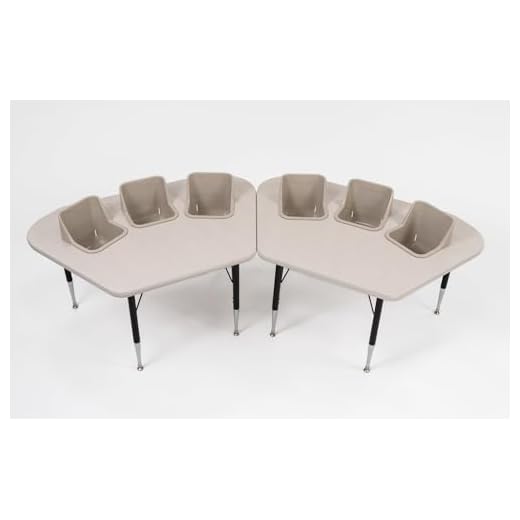
Using modular pieces is advantageous, as they can adapt to changing needs over time. For instance, a modular play table can be rearranged to accommodate different activities, from arts and crafts to storytelling.
Consider a crib with built-in drawers; this design maximizes vertical space and keeps items organized. This way, I avoid clutter while keeping necessary items within reach.
Lastly, incorporating foldable seating can be a practical solution when extra space is needed. Chairs that can fold away when not in use ensure flexibility without sacrificing functionality.
| Item | Function | Benefit |
|---|---|---|
| Convertible Crib | Crib + Toddler Bed | Saves money, extends use |
| Changing Table/Dresser | Changing Area + Storage | Maximizes vertical space |
| Storage Bench | Seating + Hidden Storage | Keeps items organized |
| Modular Play Table | Flexible Setup | Adapts to activities |
| Crib with Drawers | Storage + Sleeping Area | Minimizes clutter |
| Foldable Chairs | Seating + Space-Saving | Flexibility for gatherings |
Choose a layout that promotes movement
I prioritize clear pathways to support my child’s exploration and play. Ensuring that walking areas remain unobstructed is key, allowing for easy navigation between essentials like cribs and storage units. Placing larger items against walls creates a center space where activities thrive.
Strategic placement of key pieces
Position the changing table near the crib to transition smoothly during diaper changes. I opt for a low, accessible playscape in the main area. This encourages my little one to engage actively without the risk of bumping into heavy items.
Flexible zones
I designate specific areas for various activities–play, rest, and storage. For example, a soft rug defines the play zone while the sleep area remains calm with muted colors. This segmentation also makes it easier for my child to differentiate between activities, promoting focus and creativity.
Incorporate vertical storage solutions
Utilizing walls for storage can dramatically enhance the organization in a compact space. Install shelves above the crib or changing table, ensuring safety with secure brackets. Choose sturdy bookshelves or wall-mounted units to keep items accessible yet out of reach from little hands.
Use vertical organizers
Vertical organizers can be placed on doors or walls to hold toys, books, and supplies. Opt for hanging pockets or pegboards, which allow you to customize storage for various needs. These solutions help maximize the use of wall space while keeping the floor area clear.
Ceiling storage options
Consider ceiling-mounted storage systems for items rarely used, such as seasonal clothing or extra linens. Utilize sturdy baskets or bins that can be easily accessed with a simple pulley system. This approach frees up valuable closet space and keeps essential items easily reachable.
Consider the Child’s Growth and Changing Needs
I prioritize flexibility in layout to accommodate various stages of development. Opt for adjustable pieces such as cribs that convert into toddler beds. This allows for seamless transitions as the child grows.
Regularly reassess the arrangement to align with your child’s evolving interests and activities. For instance, areas designated for play may shift as they require space for more complex toys or activities.
Maintain a balance between functionality and aesthetic appeal. Keep items accessible, enabling independence, while ensuring safety. Here are actionable strategies:
- Include a table or desk that can serve multiple purposes, adapting from art projects to homework sessions.
- Choose seating that can be rearranged easily, facilitating group play or quiet reading.
- Integrate storage solutions that can be relocated or repurposed as the need arises, such as bins or shelves.
- Designate areas that can be transformed for different activities, like a corner for crafting that can be cleared for exercise or dancing.
Consider open spaces that can accommodate growth spurts in mobility, ensuring areas for movement and exploration cannot be overlooked. Thoughtful planning enhances comfort and nurtures development effectively.
Use soft, rounded edges for safety
I prioritize selecting items with soft, rounded edges to minimize the risk of injury. Sharp corners can lead to accidents, so I opt for cribs, changing tables, and shelving that feature smooth, contoured designs. When placing these pieces, I ensure they are positioned away from areas where the child may run or play vigorously.
In addition, I consider padding or corner guards for any existing furniture with sharp edges. I find that this adds an extra layer of protection, particularly in a playful environment. Investing in materials that comply with safety standards gives me peace of mind as my child explores their space.
Choosing textiles like cushioned rugs or soft play mats can complement the overall safety focus. These create a soft landing in case of tumbles. This attention to detail not only enhances safety but also creates a welcoming atmosphere for my little one.
Prioritize Natural Light and Ventilation
Maximize daylight by placing cribs and play areas near windows. This not only brightens the space but also creates a cheerful atmosphere that enhances mood. Consider sheer curtains that diffuse sunlight while maintaining privacy.
Ensure airflow by positioning larger pieces away from vents or windows. Fresh air is vital for healthy environments, so keep pathways open to allow for easy window access.
Choose lightweight, movable structures that can be adjusted throughout the day to take advantage of changing light conditions. This flexibility allows you to create spaces that feel larger and more inviting.
- Install blinds on windows to control light intensity during naps.
- Incorporate plants that thrive in indirect sunlight to improve air quality.
- Keep furniture low-profile to avoid blocking any available light.
Be mindful of color choices; light shades reflect more light and can make the area feel more expansive. This can be especially beneficial in darker corners or areas far from windows.
Plan for easy access to toys and essentials
I prioritize clear organization to ensure that my little one can easily reach toys and necessary items. I utilize low storage bins and open shelving within their line of sight. Soft baskets made from natural materials are perfect for this purpose, allowing for a cozy feel while keeping clutter at bay.
Strategic Placement
I’ve positioned frequently used toys in accessible locations, like a toy chest placed next to the play area. This encourages independence, letting them choose what they want to engage with during playtime. For essentials such as diapers and wipes, I installed a small rolling cart that fits neatly beside the changing table. This allows access without navigating through multiple items cluttering the space.
Zone Designation
Creating distinct play zones is essential. I designate areas for different activities–such as reading, crafting, and imaginative play–which helps to keep items specific to each activity organized and within easy reach. Labels for boxes enhance the approach, making it simple for my child to identify where items belong, reinforcing their ability to tidy up after playing.
By ensuring easy access to toys and essentials, I create a nurturing environment that promotes exploration and learning while maintaining order within the space.