Caleb Turner

I recommend applying a protective sealant on surfaces to create a barrier against unwanted markings. This coating not only enhances the appearance but also makes it difficult for paint to adhere, allowing for easier removal without damaging the underlying material.
Consider using high-quality, weather-resistant covers during non-use periods. This simple step prevents access and shields against the elements, which can amplify the risk of defacement over time.



Incorporating surveillance cameras can serve as a strong deterrent. Visible cameras or signage indicating surveillance not only enhances security but also discourages potential offenders. Position cameras in high-risk areas for optimal coverage.
Engage with your local community. Hosting workshops or gatherings can raise awareness about caring for communal spaces and foster respect among community members, reducing incidents of damage and defacement.
Strategies for Securing Outdoor Seating and Accessories
I employ durable materials for my outer seating arrangements. Selecting weather-resistant and vandalism-resistant composites helps resist damage and extends the lifespan of my investments.
Applying a protective coating or sealant forms a barrier, making it more difficult for unwanted substances to adhere. This measure offers additional longevity against both wear and external attacks.
In densely populated or high-traffic areas, I install movable planters or decorative barriers. These not only add aesthetic appeal but also create physical obstructions that deter ill-intentioned individuals.
Engagement and Community Awareness
I actively engage my neighbors and local community to promote respect for shared spaces. Hosting events or workshops raises awareness, encouraging communal guardianship over public and shared items.
Installing security cameras can serve as a deterrent. The presence of surveillance often discourages unruly behavior, providing peace of mind for myself and others using the space.
Regular Maintenance and Vigilance
I practice routine inspections of my external setups. Regular maintenance helps quickly identify and address issues, ensuring the longevity and integrity of my equipment.
In instances of damage, acting swiftly to clean or repair deters further vandalism. The visibility of ongoing care signals a commitment to preservation that helps discourage further incidents.
Selecting Durable Materials for Outdoor Furniture
Choose materials specifically designed to withstand the elements and potential defacement. Options such as high-density polyethylene (HDPE), aluminum, and teak wood stand out due to their resilience.
- HDPE: This recyclable plastic offers strong resistance to moisture and UV rays, ensuring longevity while maintaining a clean appearance that is less inviting to spray paint.
- Aluminum: Lightweight yet robust, aluminum does not rust or corrode, making it an excellent choice for diverse weather conditions. Anodized finishes provide an additional layer of protection against scratches and marks.
- Teak: Known for its natural oils, teak is resistant to water and decay, which helps it endure harsher surroundings. Its dense grain deters paint adhesion, making cleanup simpler.
In addition to these materials, consider finishes that are specifically formulated to resist staining or marking. Polyurethane coatings can seal surfaces effectively, increasing durability.
For a cost-effective yet durable solution, powder-coated metals can provide a strong barrier, adding a vibrant layer that protects against scratching and fading.
- Evaluate area climate and potential exposure to chemicals or pigments.
- Factor in maintenance requirements; some materials require periodic treatment to keep them looking their best.
- Assess weight: heavier materials may deter theft or movement but can also be cumbersome to manage.
Selecting the right combination of these sturdy materials paired with protective finishes can significantly enhance the security and longevity of your exterior installations.
Implementing Protective Coatings and Treatments
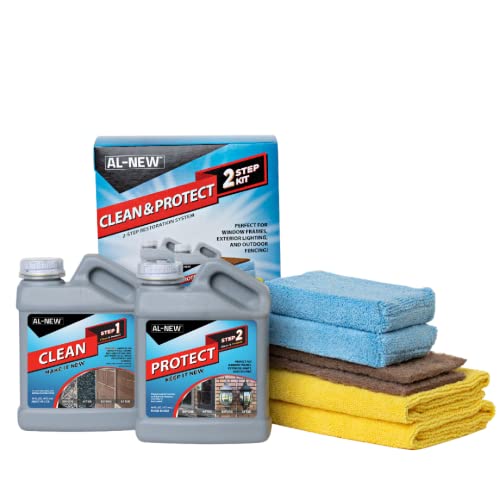
Applying high-quality protective coatings can significantly enhance the longevity of items exposed to external elements. Choosing clear sealants or specialized sprays designed to guard against paint and acid damage is essential. These products create a barrier that resists stains and makes surfaces easier to clean.
Start with the following recommendations:
- Acrylic Sealers: Ideal for wood, these sealers penetrate deeply, offering water resistance while maintaining the natural appearance.
- Polyurethane Coatings: Durable and tough, these coatings provide a robust finish against impacts and scratches. They are suitable for metal and plastic as well.
- Anti-Graffiti Coatings: These specialized products prevent paint adhesion, making removal simple and reducing the chances of permanent damage.
- Wax Finishes: A natural option for wooden pieces. Regular reapplication helps maintain a protective layer against moisture and minor impacts.
Before applying any treatment, ensure the surface is clean and free from contaminants. Sanding may be necessary for smooth application and better adhesion. Follow the manufacturer’s instructions for optimal results, paying attention to curing times and conditions.
Regular maintenance of these coatings is vital. Inspect surfaces periodically for wear and reapply treatments as needed to maximize the protective benefits. Making this a routine part of your care can save time and effort in the long run.
Installing Surveillance Cameras and Lighting
Consider placing surveillance cameras in visible locations to deter unauthorized tampering and defacement. A mix of static and motion-detecting units offers a comprehensive view while ensuring privacy area is respected.
Using high-definition cameras with night vision capability enhances monitoring during low-light hours. Ensure cameras are weather-resistant and positioned to capture angles that cover the entire area.
Integrate cameras with a reliable recording system for continuous monitoring. Cloud storage options can be beneficial for easy access to footage.
Complement the camera setup with adequate illumination. LED lights activated by motion sensors can create an effective barrier against rain and nighttime shadows. Additionally, consider ambient lighting to maintain visibility while not overwhelming the environment.
Table outlining recommended camera and lighting specifications:
| Feature | Recommendation |
|---|---|
| Camera Type | HD or 4K resolution |
| Night Vision | Infrared or low-light capability |
| Motion Detection | Adjustable sensitivity settings |
| Lighting Type | LED with motion sensors |
| Power Source | Solar-powered or hardwired |
Monthly checks on the equipment ensure they remain functional and free from obstructions. Taking these steps results in a well-monitored area, discouraging mischief effectively.
Creating a Secure Environment with Fencing
Install a sturdy barrier around your space to deter unauthorized access. Materials like wrought iron, vinyl, or chain link are excellent choices for durability and visibility. Opt for a minimum height of six feet to make climbing difficult, and consider incorporating spikes or pointed tops for added security.
Choose the Right Design
A decorative yet robust design can enhance the aesthetic appeal while maintaining safety. A solid fence can obscure visibility and deter unwanted attention, while a picket fence allows light and air in but may require additional security measures such as gates with locks.
Regular Maintenance
Inspect your fencing regularly for any signs of wear or damage. Address issues promptly to maintain its integrity. Applying a weather-resistant sealant or paint can extend the life of the structure, making it more resilient against natural elements and intentional damage.
Engaging the Community for Vigilance
Involving local residents in monitoring shared spaces serves as a powerful deterrent against damage and defacement. I recommend organizing neighborhood watch programs that empower individuals to report suspicious activities promptly. By fostering a sense of ownership within the community, people are more likely to take an active role in protecting public assets.
Utilizing Social Media Platforms
Creating dedicated social media groups allows residents to easily share information regarding vandalism or suspicious behavior. Posting updates and alerts can keep everyone informed and engaged. Encourage members to share photos or videos of any unusual occurrences. This digital presence not only raises awareness but can also cultivate camaraderie among community members.
Regular Community Meetings
Hosting regular gatherings enables discussions on pressing issues and collaborative brainstorming for solutions. These meetings can spotlight local concerns, distribute educational materials on the importance of vigilance, and establish action plans. Inviting guest speakers from law enforcement or local advocacy groups can provide valuable insights and further strengthen community bonds.
Establishing a reward system for reporting criminal activities can incentivize vigilance, ultimately making our shared spaces safer. Engaging the community transforms individuals into active defenders, fostering a culture of care and responsibility.
Establishing a Quick Response Plan for Incidents
I recommend creating a clear and concise incident response strategy that can be activated immediately when a problem arises. Designate a specific contact person responsible for responding to reports of damage or defacement. Ensure they are reachable at all times, and provide them with necessary tools for prompt action.
Develop a checklist that includes steps to assess the situation, document evidence, and notify local authorities if needed. Include emergency contact numbers for local law enforcement and community watch groups. Keep a record of previous incidents to inform future actions and adjustments to the response plan.
Your strategy should also outline procedures for repairing or cleaning affected areas swiftly to minimize the impact of any incident. Identify reliable vendors for repairs and cleaning services in advance to expedite the response process. Establishing these partnerships can significantly decrease downtime and restore the area promptly.
Conduct regular training sessions with staff and community members to keep everyone informed about the response plan. Encourage reporting suspicious activities, and ensure that your team knows how to recognize and handle potential threats. This proactive approach can deter future occurrences and maintain a sense of security.
Finally, incorporate a method to review and update the plan periodically based on new threats or changes in the environment. This will keep the response strategy relevant and effective in addressing potential risks.