Caleb Turner

I recommend using furniture coasters or pads underneath the legs of your heavy pieces. These small protective items distribute weight more evenly, significantly reducing the risk of impressions on your flooring. You can find an array of materials, from felt to rubber, that cater to different types of furnishings and surfaces.
Another effective strategy is rearranging your furniture periodically. Changing the layout not only freshens the look of your space but also allows different areas of your flooring to bear the weight, minimizing the long-term impact on any one section.
Consider adding a protective layer atop the flooring. Area rugs can act as a buffer between heavy objects and your flooring, absorbing much of the weight. Choose a durable option that complements your decor while also fulfilling this functional purpose.
For those with larger, stationary items, using furniture sliders can significantly alleviate pressure. These devices allow for easier movement and can help reposition heavy pieces without lifting them entirely, thus protecting the integrity of your flooring beneath.
Preventing Marks from Heavy Items
Utilizing coasters or pads under legs of substantial pieces is a simple yet effective strategy. Look for those made of rubber or cork, as they distribute weight evenly.


Rotating items periodically can also minimize the risk of permanent impressions. Occasionally shifting the arrangement of large fixtures allows the surface to regain its original shape.
Choosing lightweight varieties of large seating options can help as well. Materials like aluminum or plastic are easier on the surface than traditional woods or metals.
Consider using area rugs or mats beneath the heavier items, as this adds an extra layer of cushioning while enhancing the aesthetic appeal.
Furthermore, adding felt pads under small accessories, such as decorative tables or lamps, can provide protection without compromising style.
Finally, be cautious during rearrangements–utilizing a furniture slider protects not just the flooring but also ensures ease of movement without strain.
Choosing the Right Furniture Leg Protectors
Selecting appropriate leg protectors is essential for maintaining the integrity of flooring. I recommend materials such as felt, rubber, or silicone, as they provide excellent cushioning. Felt pads are particularly effective; I’ve found that they glide smoothly on surfaces and diminish the chance of marks. Ensure that the pads are thick enough to absorb pressure without compressing too much.
Types of Protectors
Consider the shape and size of your furniture legs. For round legs, circular pads work best, while square or rectangular legs require corresponding shapes for maximum coverage. Some options come with adhesive backing, offering a reliable solution, but there are also stick-on models that can be easily replaced as needed.
Installation Tips
Before applying, clean the leg base to ensure proper adhesion. This prevents dirt from interfering with the bond and enhances longevity. Periodically check the protectors and replace them if they show signs of wear or damage, ensuring continuous safeguarding of your flooring.
Using Carpet Tiles or Area Rugs for Cushioning
I recommend incorporating carpet tiles or area rugs as a practical solution to minimize impressions left by heavy items. Carpet tiles provide flexibility in arranging and replacing sections easily. Choose tiles with a thickness of at least 0.5 inches for better cushioning effect. Aligning them under furniture legs can distribute weight more evenly, reducing stress on the underlying flooring.
Area rugs serve a similar purpose. Selecting a plush, thick rug not only enhances comfort but also absorbs impacts from furniture. Ensure the rug is larger than the furniture footprint. This overlap ensures that any shifting or movement still keeps protective coverage in place. Opt for rugs made from durable materials like nylon or polypropylene for longevity and easy maintenance.
Both options allow for creative styling while serving a functional role. Consider colors and patterns that complement your space, making the implementation both practical and visually appealing. With these strategies, I’ve successfully maintained the quality of my surfaces while enjoying a stylish interior.
Regularly Rearranging Furniture to Avoid Permanent Marks
To minimize impressions left by heavy items on flooring, I recommend changing the arrangement of furnishings every few months. This can significantly reduce the risk of long-term damage. Frequent movement allows the fibers to recover and the surface to regain its original shape. Here’s a simple plan to follow:
| Frequency | Action |
|---|---|
| Every 2 Months | Shift larger pieces like sofas and bookcases by a few inches. |
| Every 4 Months | Change the position of smaller items such as chairs and tables. |
| Every 6 Months | Completely rearrange the room layout for a fresh look. |
In addition to moving items, I also recommend using a lightweight mat underneath heavy furnishings. This provides extra cushioning and protection. Ensuring that I vary the position of items can effectively maintain the appearance of my surfaces while enhancing the aesthetic of the space.
Applying Furniture Coasters for Weight Distribution
Using coasters under the legs of heavy items significantly helps to disperse weight, minimizing pressure on the flooring. I recommend selecting coasters made from durable materials such as rubber or plastic, which provide both traction and resilience. Ensure that coasters are of appropriate size; larger bases distribute weight more evenly. This simple adjustment can reduce the risk of unsightly impressions in the floor covering.
When positioning the coasters, it’s vital to check that they are clean and free from debris, which can cause scratches or impair their effectiveness. Periodically inspect the coasters for wear and replace them as necessary to maintain optimal support. In addition, consider varying the arrangements of larger pieces of furniture regularly, as this can further prevent long-term marks.
For wooden or metal legs, opt for coasters with softer bottoms to avoid scratches, while still providing adequate support. I find that investing in coasters with non-slip features can also prevent the furniture from sliding, which is a common issue with heavy items. Overall, this straightforward technique enhances the longevity of your flooring while keeping it visually appealing.
Implementing Carpet Padding Beneath Heavy Items
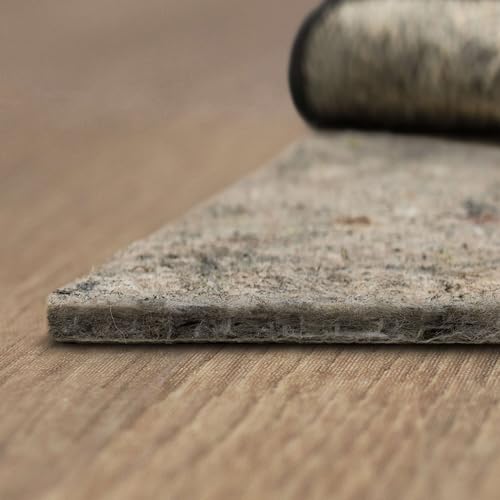
For optimal safeguarding against impressions, I recommend placing high-density padding under substantial pieces. This method offers cushioning and effectively distributes weight.
Key recommendations for choosing padding include:
- Thickness: Select padding that is at least 1/2 inch thick to provide adequate support.
- Material: Opt for foam or felt materials, as they offer excellent compression resistance.
- Density: Aim for a density of at least 2.5 pounds per cubic foot to ensure durability.
Positioning the padding correctly is equally crucial:
- Cut the padding to fit snugly under the furniture’s legs.
- Ensure that the entire base of the legs sits on the padding, not just the corners.
Regularly inspect the padding for wear and replace it as necessary to maintain optimal cushioning. This simple addition can make a significant difference in preserving your flooring’s appearance.
Cleaning and Maintaining Structure
Regular deep cleaning of your fibers significantly enhances their longevity. I recommend using a professional-grade vacuum cleaner that features a rotating brush to effectively lift dirt and debris. Be diligent about vacuuming at least once a week, focusing on high-traffic areas to prevent matting.
Spot Treatment
For spills, initiate a spot treatment immediately. Blot the area with a clean, dry cloth to absorb as much liquid as possible. Next, apply a mixture of mild detergent and water using a soft cloth. Rinse the area with clean water and blot dry to avoid residues that can attract dirt.
Pile Maintenance
- Rotate rugs and mats regularly to ensure even wear.
- Use a carpet rake or brush once a month to lift the fibers and maintain their structure.
- Keep humidity levels consistent in your space; excessive moisture can lead to mold, while too little can cause fibers to become brittle.
Incorporating these habits into a maintenance routine will help in preserving the integrity of the textile, ensuring it retains its original appearance and comfort for years to come.
Utilizing DIY Solutions to Minimize Impressions
For light indentations, I rely on ice cubes. Placing a few ice cubes on the affected areas allows the heat from the surrounding carpet fibers to melt the ice, causing them to swell back into their original shape. After the ice has melted, I gently fluff the fibers using my fingers or a fork to restore the texture.
Another effective method involves using a damp cloth. I moisten a cloth, place it over the dent, and then apply heat using a clothing iron set to low. The steam helps relax the fibers. I always ensure to keep the iron moving to avoid damage, and afterward, I fluff the area for a seamless look.
Utilizing Vinegar for Fiber Relaxation
Mixing equal parts of vinegar and water offers another solution. Spraying this mixture lightly onto the dented region and letting it sit for a few minutes allows the fibers to absorb the moisture. Following this, a gentle brushing with a soft brush revives the area, making it less noticeable.
Implementing a Vacuum Technique
After applying any moisture treatment, I find that using a vacuum can aid in lifting the fibers. The suction encourages them to spring back into their rightful position. I routinely repeat this process until the desired texture is achieved. This combination of methods minimizes any signs of pressure marks effectively.
FAQ:
What are the main methods to protect carpet from furniture dents?
There are several effective methods to prevent furniture dents in carpets. One common approach is to place furniture coasters underneath the legs of heavy pieces. These coasters distribute the weight evenly across a larger area, reducing pressure on the carpet fibers. Another option is to use area rugs to create a barrier between the carpet and furniture. Additionally, regularly rearranging your furniture can help prevent long-term impressions in the carpet. Finally, considering furniture with wider bases can also minimize the potential for dents.
How can I fix existing dents in my carpet caused by furniture?
To repair dents in your carpet, start by using a damp cloth to moisten the affected area. Then, gently lift the carpet fibers with a fork or your fingers. This motion helps to restore the carpet pile. Allow the area to dry thoroughly. If the dent remains, you can repeat the process. For deeper dents, consider using ice cubes; place them in the dent, let them melt, and once the carpet is damp, fluff the fibers again. This method can effectively restore the appearance of your carpet.
Are there specific types of furniture that are better for carpets?
Yes, certain types of furniture are more suitable for use on carpets. Lightweight furniture, such as those made of plastic or wood with wide bases, tends to cause less damage compared to heavier items like metal or solid wood pieces. Furniture that has legs rather than a solid base can also create less surface area pressure, thus reducing the risk of dents. If you prefer heavier furniture, consider using protective coasters or pads to minimize damage to your carpet.
Should I consider the carpet material when buying new furniture?
Absolutely. The type of carpet material can influence your furniture choices. For instance, plush or shag carpets are more susceptible to dents compared to low-pile carpets. If you have a soft pile carpet, you might want to choose lighter furniture or those with a broader base to prevent impressions. It’s also helpful to think about how your furniture’s design interacts with the carpet texture. Some materials can grip or snag the fibers, potentially causing long-term damage or wear.
What are furniture pads, and how do they help protect carpets?
Furniture pads, also known as felt pads or glides, are small protectors that are placed under the legs of furniture. They are designed to create a barrier between the furniture and the carpet. These pads help spread the weight of the furniture more evenly, reducing the pressure that leads to dents. Additionally, they can prevent scratches and allow furniture to move more easily without pulling on the carpet fibers. Investing in good quality furniture pads can be an effective way to protect your carpets from unsightly dents.
What are some practical methods to prevent furniture dents in carpets?
To protect your carpets from furniture dents, consider using furniture coasters or pads. These products distribute the weight of the furniture over a larger area, which minimizes pressure on the carpet fibers. Additionally, placing old magazines or cut-out pieces of cardboard under furniture legs can serve as an alternative solution. Positioning your furniture strategically, such as avoiding placing heavy items in high-traffic areas, can also help. Regularly rearranging furniture can alleviate long-term pressure and allow carpet fibers to recover.
How can I repair dents in my carpet after they’ve occurred?
If your carpet has been dented by furniture, there are a few techniques to restore its appearance. One method is to use ice cubes: place a few ice cubes in the dented area and allow them to melt. As the fibers absorb moisture, they will begin to lift. After the ice has melted, gently fluff the carpet with a fork or your fingers to restore the original texture. Another option is to use a steam iron: place a damp cloth over the dent and briefly apply steam. Be cautious not to get the carpet too wet, and always check the carpet care instructions first. These methods can help rejuvenate the carpet and reduce visible marks.