
 Caleb Turner
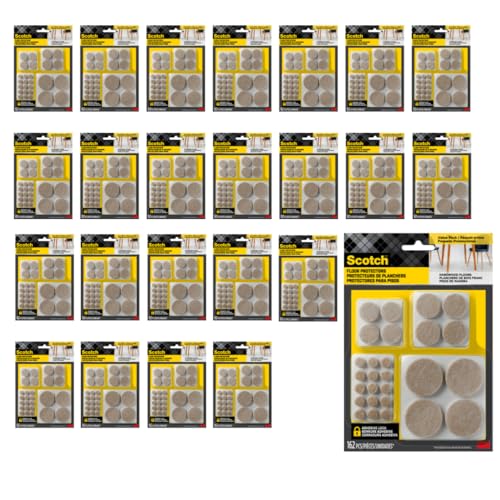
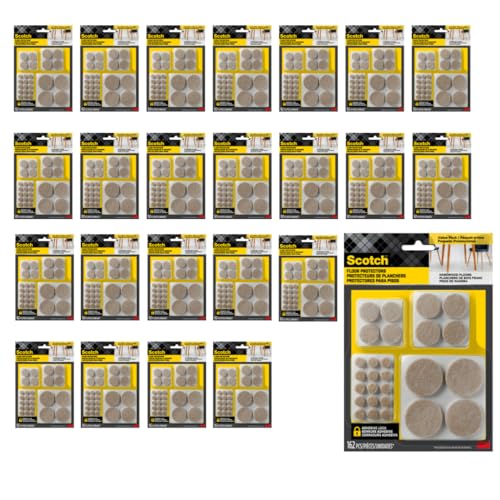
Using felt pads underneath chairs and tables significantly reduces friction and prevents slipping. These soft discs cushion the contact between legs and the surface, protecting both from scratches and maintaining stability.
Another effective strategy involves placing rubber strips or anti-slip mats under larger items. These materials grip the surface firmly, ensuring that even heavier components remain secure without causing any damage to the polished wood.


Regularly checking the weight distribution of your possessions can also be beneficial. Ensuring that heavier pieces are located centrally can help maintain equilibrium and reduce the likelihood of unwanted shifts.
If relocation is necessary, employing moving sliders specifically designed for smooth materials can facilitate transport without compromising stability. This allows adjustments without the risk of displacing the item once it’s in its new position.
Strategies for Keeping Your Pieces Steady on Smooth Surfaces
Utilizing rubber pads is an instant solution. I place these under each leg of my items to create a non-slip barrier that grips the surface securely.
Adhesive strips serve as another practical approach. By sticking these strips to the bottom of the legs, I’ve achieved a firmer hold that keeps my pieces in place without causing any damage.
Investing in felt sliders can also be beneficial. They not only protect the surface but provide just enough friction to stop slippage while still allowing for easy repositioning when needed.
Additionally, I found that rearranging the weight distribution can aid stability. Ensuring the larger or heavier items are at the back helps maintain balance and reduces the likelihood of sliding.
Finally, keep an eye on environmental factors such as humidity. Controlling the indoor climate can influence how surfaces interact, so I adjust heating or air conditioning as needed to maintain optimal conditions.
Understanding the Problem of Furniture Movement
Identifying the root cause is key. Smooth surfaces contribute to unexpected shifts, especially with heavy items. The lack of grip increases the likelihood of slippage. Weight and design also play crucial roles in stability; lighter objects are more prone to drift.
Factors Influencing Stability
- Surface Texture: A polished finish offers little resistance.
- Furniture Design: Legs or casters can exacerbate mobility issues.
- Weight Distribution: Unevenly placed items can shift easily.
Effective Solutions
- Utilizing rubber pads increases friction.
- Employing non-slip mats can stabilize items without damaging surfaces.
- Adopting wedge-shaped furniture stops can hold heavier pieces firmly in place.
Addressing these elements directly allows for a more secure arrangement, ensuring that beloved pieces remain exactly where they belong.
Choosing the Right Furniture Pads for Hardwood Floors
Select soft felt pads designed specifically for surfaces, ensuring they won’t scratch. I prioritize thickness and density; thicker pads effectively absorb impact and provide cushioning. For added stability, choose self-adhesive pads that securely attach to the base of objects.
Types of Pads
I often opt for different materials based on need. Felt pads offer a soft surface, while rubber options provide extra grip. If the piece is heavy, I lean towards heavy-duty felt or silicone to accommodate weight and movement. For items that are frequently relocated, adhesive pads are convenient, while plastic glides suit heavier furniture and prevent wear.
Installation Tips
<pBefore applying, I clean the contact surface thoroughly to ensure maximum adhesion. Cutting the pads to fit the shape of the legs enhances coverage and effectiveness. I also monitor the condition periodically, replacing any that show signs of wear, which helps maintain the integrity of the flooring.
Applying Non-Slip Mats Under Furniture Legs
Installing non-slip mats beneath the legs of your seating and tables is a simple yet powerful solution. These mats provide a firmer grip on the surface, ensuring stability, especially in high-traffic areas. I recommend selecting mats specifically designed for wood types because they offer textures that enhance friction, making it harder for items to slide around.
Measure the size of each leg to ensure proper coverage. It’s essential to cut the mats to fit snugly. This custom fit maximizes the area in contact with the ground, which increases grip. Additionally, I found that using thicker mats offers better cushioning, reducing the risk of scratches and dings on your beautiful wooden surface.
For installation, simply lift chairs and tables slightly to slide the mats into place. Check periodically for wear and replace them as necessary. This maintenance keeps everything functioning smoothly and keeps the aesthetic intact, while avoiding the annoyance of constantly rearranging your setup.
Consider using mats with adhesive backing to further enhance stability. These mats adhere securely to both the furniture leg and the floor, providing an added layer of protection against sliding. In spaces where aesthetics matter, there are stylish options available, integrating seamlessly with your decor while performing their job effectively.
Lastly, ensure to keep the bottom of the mats clean. Dust and dirt can accumulate over time, decreasing their grip. A quick wipe can make a significant difference in performance and longevity. Following these guidelines will significantly enhance the experience of your environment while safeguarding your surfaces.
Utilizing Rubber Furniture Feet for Stability
Incorporating rubber feet under the legs of your seating and tables presents an excellent way to enhance grip and protect surfaces. These non-slip caps effectively reduce the chance of sliding with their durable material, providing necessary cushioning and traction.
Choosing the Right Type
Look for rubber feet that match the size and shape of your leg profiles. Common types include flat pads, dome-shaped designs, and those with grooves for added grip. Customization can also ensure a snug fit, enhancing overall stability.
Installation Tips
Clean the foot of each leg before application to ensure that dirt and dust don’t hinder adherence. Some options may come with adhesive backs for easy installation. For those without adhesive, using a protective sleeve over the leg can provide extra cushioning and prevent damage to your flooring.
Maintenance is straightforward; periodically check the rubber feet for wear and replace them as needed to maintain optimal function. This small but effective solution promotes both stability and longevity of your cherished pieces.
Adjusting Furniture Weight Distribution for Balance
Redistributing the weight of items can greatly enhance stability. Begin by assessing which pieces are heavier and where their weight is concentrated. For instance, a couch or a table with uneven weight on one side is more likely to shift. Placing heavier objects at the base or center can amplify balance. Position lighter items toward the top or edges to counterbalance the weight efficiently.
Utilizing storage solutions within these pieces is another effective approach. Storing items inside cabinets or under shelves can lower the center of gravity, thus providing additional anchor points. For larger structures, such as bookcases, securing them to the wall can also help stabilize them further, preventing any unintended shifting.
Testing the arrangement is key. Once adjustments are made, gently push against the sides to check for movement. If it wobbles, further adjustments may be required. This ongoing process ensures a secure and steady environment for your belongings, drastically reducing the chances of slipping.
Considering Furniture Anchors for Extra Security
For added stability, installing anchors provides a robust solution for securing pieces in place. To implement this strategy, select appropriate wall mounts that suit the dimensions and weight of the selected item.
I recommend the following steps for effective installation:
- Choose heavy-duty anchors designed for furniture safety. Look for those that can bear significant loads.
- Identify wall studs using a stud finder to ensure reliable support. If no studs are available, utilize toggle bolts as an alternative.
- Drill appropriate holes based on the manufacturer’s specifications, ensuring they align perfectly with the anchors.
- Attach the anchors securely, following the provided instructions for optimal performance.
- Connect the furniture to the anchors using straps or brackets, ensuring a tight fit without excessive tension.
Regularly inspect the connections for wear or loosening. This will keep items securely fastened, preventing any potential accidents or shifting. Adopting this strategy not only enhances stability but also promotes peace of mind.
Exploring Adhesive Solutions for Added Grip
For a reliable solution, utilize adhesive strips or pads designed specifically for reducing slippage. These products anchor items securely while preserving the integrity of the flooring. Look for options with strong grip surfaces and easy application to simplify the process.
Types of Adhesive Solutions
| Type | Description | Application |
|---|---|---|
| Double-Sided Tape | Strong tape for securing legs. | Apply directly between surface and leg. |
| Adhesive Pads | Pre-cut, easy-to-use pads. | Stick to the underside of the legs. |
| Grip Tape | Textured tape providing extra traction. | Wrap around the base of the legs. |
Application Tips
Before application, ensure both the surface and item legs are clean and free of dust. This boosts adherence significantly. For stronger hold, choose adhesive solutions with a higher weight capacity based on the item’s size and weight.
Inspect the adhesive regularly for wear and replace as necessary to maintain optimal support. This proactive measure ensures lasting stability and protects the attractive wood finish while enhancing safety in the space.
Regular Maintenance: Keeping Floors and Pads Clean
Regularly clean both your surfaces and the protective pads. Dust and dirt can create friction, which may weaken the grip of the pads. I recommend using a microfiber mop or a vacuum with a soft brush attachment to gently remove debris without scratching the surface.
Check pads for wear and dirt accumulation at least once a month. If they appear damaged or dirty, replace or clean them to ensure optimal performance. For washable pads, a gentle soap solution can help remove grime. Ensure they dry completely before reapplying them.
Avoid using harsh chemicals or abrasive cleaners that could harm both the finish of the surface and the integrity of the pads. Opt for pH-neutral cleaners designed for wooden surfaces to maintain their quality over time.
By maintaining cleanliness in these areas, the interaction between the surfaces and the pads improves, helping to maintain stability and prevent unwanted displacement. Regular upkeep will save time and effort in the long run while preserving the aesthetic appeal of your space.
Examining the Role of Humidity in Wood Movement
Maintaining a stable humidity level between 30% and 50% significantly reduces the chances of wood expansion or contraction. During periods of high moisture, wooden structures can absorb water, leading to warping and shifting. Conversely, low humidity can result in shrinkage, causing gaps between planks and instability.
Strategies to Control Humidity
Using a dehumidifier during humid months helps manage excess moisture in the air. For dry seasons, a humidifier can add necessary moisture, maintaining optimal conditions for wooden materials. Regular monitoring of indoor humidity levels with a hygrometer allows for timely adjustments, ensuring stability in the environment.
Sealing Wooden Surfaces
Applying sealants or finishes to wooden surfaces forms a protective barrier against moisture penetration. This not only prolongs the lifespan of the wood but also minimizes the effects of environmental fluctuations. Regular touch-ups of the protective coating are essential to retain their efficacy.
Understanding these factors leads to more informed decisions regarding the placement and care of wooden elements, ensuring they remain securely positioned without unnecessary movement.


