Caleb Turner

For a flawless finish on your timber items, I recommend choosing an appropriate primer before applying color. This step ensures better adhesion and prevents any knots from bleeding through. Look for a high-quality water-based or oil-based primer designed specifically for wood surfaces.
After priming, let the surface dry completely. I usually wait a minimum of two hours, but it’s best to check the manufacturer’s guidelines. Once dry, lightly sand the area with fine-grit sandpaper to create a smooth base for the subsequent layers.
Next, select a premium acrylic or enamel for the topcoat, depending on the desired sheen and durability. Apply the paint with a high-density foam roller or a brush meant for smooth surfaces, ensuring even strokes to avoid roller or brush marks. Allow ample drying time between coats, typically 4-6 hours, before lightly sanding again for optimal results.
Finally, for added protection, consider a clear polyurethane finish, which enhances durability and offers resistance against scratches and moisture. Apply this final coat according to the instructions, and you’ll have transformed your timber into a stunning piece that stands the test of time.
Applying Finishing Touches
Prior to the final application, I ensure the surface is completely dry and free from dust. Using a high-quality sealer enhances the protective layer and prevents peeling or damage in the future. Lightly sand the coat with a fine-grit paper for an ultra-smooth finish.
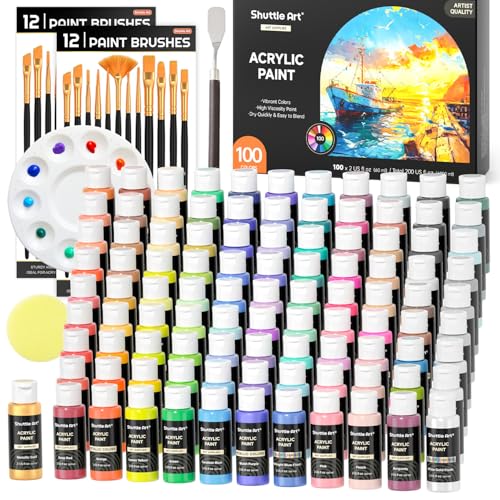


Recommended Products for Sealing
| Product Type | Brand | Features |
|---|---|---|
| Water-Based Polyurethane | Minwax | Fast-drying, non-yellowing finish |
| Oil-Based Polyurethane | General Finishes | Durable, rich amber color |
| Clear Coat | Rust-Oleum | Protective barrier with a satin finish |
After selecting the right product, I apply a thin layer using a high-quality brush. It’s advisable to work in sections and use long, even strokes to avoid streaks. Once the first layer is applied, I allow adequate time for drying before lightly sanding again and proceeding with additional coats as necessary.
Selecting the Right Paint for Pine Furniture
Opt for acrylic latex or water-based formulas for a durable finish. These options adhere well to softwoods, minimizing complications with peeling.
For deeper hues, manufacturers offer stains designed to enhance the wood’s grain. Always test the chosen shade on a small area first to ensure satisfaction.
Consider finishes such as matte, satin, or gloss based on the desired aesthetic. Satin provides a balance between shine and practicality, while gloss delivers a high-shine appearance that highlights imperfections.
Ensure the selected product contains a primer for better adhesion or apply a separate primer. This undercoat prepares the surface, preventing tannin bleed and enhancing color vibrancy.
Verify the label for low VOC levels for safer indoor air quality. This is especially critical if the piece is going into a living space.
Preparing the Surface of Pine Furniture
Clean the piece thoroughly using a mixture of warm water and mild detergent. This removes dirt, grease, and any oils that can interfere with adhesion. For stubborn stains, consider using a gentle scrub brush. Let it dry completely.
Sand the surface to achieve a smooth finish. Start with medium-grit sandpaper (around 120 grit) and progress to finer grades (220 grit). Sand in the direction of the wood grain to avoid scratches. This step enhances the texture and allows for better paint retention.
If the wood has any existing finishes, such as varnish or wax, strip them using a suitable remover or sand them off. Ensure all residues are eliminated to prevent any barriers to adhesion.
Repair Any Damage
Inspect the surface for dents, scratches, or holes. Fill these imperfections with a high-quality wood filler. Allow it to dry thoroughly, then sand it smooth. This step is vital for achieving an even surface before the application of color.
Prime the Wood
Apply a primer specifically designed for wooden surfaces. A primer creates a uniform base that improves coverage and helps to seal the wood. This is especially useful for preventing any knots in the wood from bleeding through. Once the primer is applied, allow it to dry completely, following the manufacturer’s instructions.
Choosing the Best Brushes and Tools for Painting
For achieving a flawless finish, I recommend using high-quality synthetic brushes. These are great for applying water-based coatings, as they maintain their shape and do not absorb too much moisture. Opt for a 2 to 4-inch flat brush for broad strokes and a smaller, angled brush for corners and intricate detailing.
A foam roller is another excellent choice for larger surfaces, providing an even application without brush marks. When selecting a roller, pick one with a nap of 1/4 to 3/8 inch to ensure smooth coverage without excessive texture.
Don’t underestimate the importance of a good tray for easy access to your materials. Look for one with a built-in ramp to control the amount of product on your brush or roller.
For sanding, I suggest using a fine-grit sandpaper (220 grit) before starting. This ensures a smooth base for the finish. A sanding block may be useful for flat surfaces, while a sanding sponge can help with curved areas.
Lastly, ensure you have a quality painter’s tape. This will protect areas that shouldn’t get coated, allowing for clean lines and preventing messy edges. Always press the tape down firmly to avoid bleeding underneath.
Applying Primer for Optimal Paint Adhesion
Using a primer is crucial for a successful transformation of wooden pieces. I recommend selecting a high-quality shellac or oil-based primer, as these types bond exceptionally well with the natural resin of timber.
- Ensure the surface is clean and dry before application.
- Apply an even layer of primer using a brush or roller, following the wood grain.
- Avoid pooling or excessive buildup; a thin coat is preferable.
Once the primer has dried, which typically takes a few hours, I suggest lightly sanding the surface with fine-grit sandpaper. This step enhances adhesion for the subsequent coating.
- Use a tack cloth to remove dust after sanding.
- Evaluate for any imperfections and patch as necessary.
Reapply primer if the wood absorbs it excessively, ensuring full coverage. For deeper colors, a second coat might be beneficial.
In summary, a well-applied primer is the foundation for a lasting finish on your wooden items, promoting durability and enhancing the final appearance.
Techniques for Evenly Applying Paint
Use a high-quality synthetic brush for a smoother finish. Choose one that is slightly wider than the surface area to cover, but not too large, to help avoid drips and uneven spots.
Brushing Techniques
- Apply a thin layer with light strokes, working in sections to maintain a wet edge. This avoids unsightly lap marks.
- Use long, straight strokes rather than circular motions, which can create texture. Aim for overlapping strokes for consistency.
- Keep the brush loaded with the right amount of coating. Too much can lead to runs, while too little may yield streaks.
Rolling Techniques
- Select a roller with a medium nap to spread the mixture evenly. This helps fill in the grain and provides a uniform layer.
- Start at the top of the surface and roll downwards in a smooth motion. Then, quickly follow with a pass in the opposite direction to ensure even coverage.
- Use a paint tray to maintain the correct amount on the roller, ensuring it is not overly saturated.
For intricate details or areas that require precision, consider using a small brush or an artist brush for corner work. This will help in applying the hue more accurately without excessive mess.
After application, inspect for drips or runs, and use a clean brush to feather out any imperfections while the layer is still wet. Allow sufficient drying time between coats, especially if applying multiple layers.
Finishing Touches: Sealing and Protecting the Coating
For optimal durability, apply a clear topcoat after the coloring process. A water-based polyurethane or a polycrylic finish offers a protective layer that resists scratches and moisture. Choose a satin or matte finish for a subtle look or a gloss finish for a more striking effect.
Application Techniques
Use a high-quality brush or a foam applicator for smooth application. Work in thin layers, allowing each coat to dry completely before adding the next. Sand lightly between coats with fine-grit sandpaper to ensure a seamless finish.
Maintenance Tips
To extend the life of the protective layer, clean surfaces with a damp cloth and avoid harsh chemicals. Reapply the clear coat every few years, especially in high-traffic areas, to maintain the integrity of the finish.
Maintenance Tips for Painted Pine Furniture
Regular cleaning is crucial. I use a soft, damp cloth to wipe away dust and spills, avoiding harsh chemicals that can damage the surface. Mild soap can be used for tougher stains, but it’s essential to dry the area thoroughly afterward.
Protective Measures
Consider applying a protective topcoat. A clear acrylic sealer can enhance durability and extend the life of the finish. I prefer to reapply this sealer every few years or sooner if I notice wear. Avoid placing hot items directly on the surface; coasters are a must to prevent heat damage.
Avoiding Sun Damage
Direct sunlight can fade colors over time. I place pieces away from windows or use curtains to limit exposure. If possible, rotate the position of items to promote even fading, preserving their vibrant appearance longer.
Finally, keep an eye on the condition of the piece. Any signs of chipping or wear should be addressed immediately to prevent further damage. Touch-ups can be easily made with leftover paint, ensuring a consistent look.