Caleb Turner

To achieve a striking representation of natural cane, select a high-quality base layer in a light neutral tone. This serves as a canvas, helping the final layers mimic the organic characteristics of the real thing.
Once the base is dry, using a fine brush, apply a darker shade in a thin, consistent manner. Focus on creating the characteristic nodes and segments found in real stalks. A steady hand is key; the delicate details will bring authenticity to your project.
For added texture, consider using a sponge. Dab it lightly onto the surface with a complementary hue to create visual interest. This technique enhances depth, offering a dimensional feel reminiscent of actual natural materials.


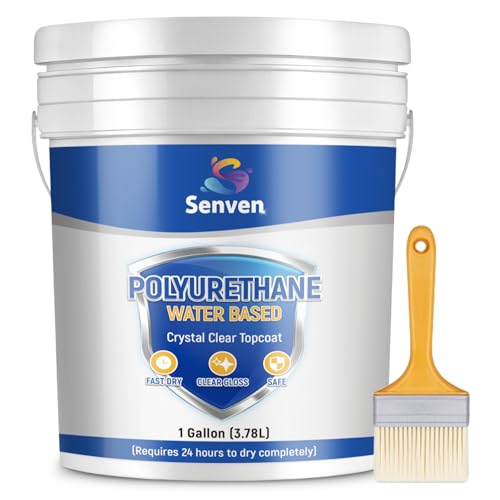
Finish by sealing your piece with a matte or satin clear coat, preserving the look and ensuring durability against everyday use. This final touch elevates your work, allowing it to shine in any setting.
Transforming Your Piece with a Fresh Look
Select a high-quality acrylic primer specifically designed for non-porous surfaces. I like to apply a thin layer evenly over the entire item using a foam roller or brush to minimize brush strokes. Allow it to dry completely before proceeding.
Choosing the Right Hue
<p.Decide on the color palette that complements your space. Light shades add brightness, while dark tones can create a dramatic effect. Test your chosen hue on a small, inconspicuous area to see how it interacts with the existing finish.
Finishing Touches
<p.After applying the color, let it cure for a minimum of 48 hours. For added depth, consider a light sanding between coats to achieve a smoother finish. Finally, seal your makeover with a clear topcoat to protect against wear and enhance durability.
With these steps, you’ll find that your transformed item evokes a sophisticated aesthetic that enhances your decor.
Selecting the Right Furniture for Faux Bamboo Painting
Begin with items made of solid wood or engineered wood. These materials provide a sturdy base and support intricate detailing. Look for pieces that feature straight lines and simple silhouettes, allowing for easier application of the brushwork.
Avoid overly ornate designs or highly textured surfaces, as they can complicate the painting process. Instead, focus on furniture that has flat panels or minimal carving, which can be transformed effectively.
Check for existing finishes; if a piece is covered in high gloss or complex varnish, it requires thorough preparation. Sanding down these surfaces ensures better adhesion of subsequent layers.
Consider the size of the item. Smaller accents, such as side tables or stools, are ideal for practice and experimentation. Larger items, like cabinets or dressers, may take more time but will offer a more significant impact in your space.
Evaluate the overall shape, ensuring it echoes the aesthetic you seek. Straight-edged designs lend themselves well to achieving a striking illusion of the natural material.
Prioritize items with good structural integrity. A well-constructed piece will not only be easier to customize but will also maintain its functionality after the transformation.
Lastly, reflect on the final location of the pieces. Brightly lit areas can highlight your created effects beautifully, while darker spaces may diminish the visual appeal. Choose wisely based on intended placement.
Preparing the Surface: Cleaning and Sanding
Thoroughly cleaning and sanding the item before applying any finish is key to achieving the best results. Begin with a gentle detergent mixed with warm water to eliminate dust, grime, and oils. Use a soft cloth or sponge to scrub the surface, ensuring every nook and cranny is addressed.
Rinse with clean water and dry with a microfiber towel to prevent any residue from remaining. Once dried, inspect for flaws such as old paint, scratches, or peeling spots.
Sanding Techniques
For smoothing the surface and promoting adhesion, utilize fine-grit sandpaper (220 grit). Lightly sand the entire area, moving in the direction of the grain to avoid scratches. Pay extra attention to any rough spots or imperfections. After sanding, make sure to clean the surface again to get rid of any dust created by sanding.
Final Check
- Ensure the surface is free of dust and debris.
- Check for any remaining imperfections that may need touch-ups.
- Confirm that the item is dry before moving on to the next steps.
Following these steps will set a solid foundation for the upcoming transformation, allowing for a smoother application process and enhancing the final appearance.
Choosing the Right Paint for Faux Bamboo Finish
I recommend selecting high-quality acrylic or latex formulations for optimal results. These options provide durability, excellent adhesion, and a beautiful finish, especially when imitating a natural look.
Color Selection
For realistic results, opt for shades that replicate the natural hues of the species you wish to emulate. Light greens, soft browns, and even muted golds can add a touch of authenticity. Test swatches on a small area before making a decision, as lighting can significantly affect how the color appears on the surface.
Sheen Level
A satin or semi-gloss sheen usually works best to mimic the reflective quality of actual wood. This sheen level highlights the texture effectively while allowing for easy cleaning. Avoid matte finishes, as they may not provide the desired look or durability.
Techniques for Creating Bamboo Patterns with Paint
I recommend using a combination of sponging and stencil techniques to achieve realistic patterns. Start by preparing a stencil that mimics the distinctive nodes and shafts of bamboo. This will guide your brush strokes and ensure consistency across your design.
Sponging Technique
For the sponging method, use a natural sea sponge to apply your base coat. Dip the sponge lightly into your chosen color, then dab it onto the surface. Vary the pressure to create depth and texture, layering shades for a more authentic appearance.
Stenciling Technique
When using stencils, secure them firmly on the surface. Choose a contrasting color for the bamboo patterns to stand out. Use a dry brush method to apply the paint, preventing excess from seeping under the stencil. This ensures sharp edges and clean lines. Keep some wet wipes handy to immediately fix any mistakes.
Mixing colors while painting can add a unique effect. Combine greens and yellows for shafts, while using darker shades for shadows and dimension. A small brush is useful for detailing nodes and crevices.
Once I have completed the design, a clear topcoat seals everything in and enhances durability. This not only protects your work but also adds a subtle sheen, replicating the natural look found in genuine materials.
Applying a Protective Topcoat for Durability
For enhanced longevity, applying a topcoat is essential. I recommend using a water-based polyurethane for its easy application and quick drying properties. Ensure the color of your finish complements the underlying layers without altering the aesthetic drastically.
Application Steps
1. Wait for the painted surface to cure completely–typically 24-48 hours after the final layer dries.
2. Lightly sand the surface with fine-grit sandpaper (around 220 grit) to remove any imperfections and promote adhesion for the topcoat.
3. Clean the dust with a damp cloth. Allow it to dry fully before proceeding.
4. Using a clean, high-quality brush or foam applicator, apply a thin layer of the topcoat, moving in the same direction as the wood grain. Avoid overworking the product to minimize bubbles.
Drying and Curing Times
Let the topcoat dry according to the manufacturer’s instructions, usually within 2-4 hours. For optimal protection, I suggest multiple coats–typically two to three. Lightly sand between coats to achieve a smooth finish.
| Coat Number | Recommended Drying Time | Recommended Sanding Grit |
|---|---|---|
| First Coat | 2-4 hours | 220 |
| Second Coat | 2-4 hours | 320 |
| Final Coat | 24 hours for full cure | – |
After the final coat cures, the finish will be ready for use. Protect your investment by ensuring the piece is not exposed to excessive moisture or heat for a few days post-application.
Final Touches: Adding Hardware and Accessories
For an appealing finish, hardware selection is key. Choose knobs and pulls that complement the aesthetics of your piece. Opt for materials like brass or ceramic for a classic touch.
- Brass fixtures: Add a warm glow and sophistication.
- Ceramic knobs: These provide a playful contrast and can come in various colors.
- Antique or vintage hardware: Goes well with a retro-inspired look.
Before installation, ensure all pieces are clean and free from dust. This prevents any imperfections during mounting.
Accessories for Enhanced Style
Accessorizing enhances the overall appeal. Consider the following:
- Decorative trays: Place them on surfaces for functional elegance.
- Plants: Use small potted greens to create a fresh, inviting atmosphere.
- Textiles: Incorporate cushions or throws that match the color palette, softening the visual impact.
After accessorizing, step back and evaluate the overall look. This final review helps in making any necessary adjustments for a cohesive design.
Maintaining Faux Bamboo Furniture After Painting
I recommend cleaning your newly transformed pieces regularly with a soft, damp cloth. Avoid using harsh chemicals, as they can damage the surface. Instead, a mild dish soap diluted in water can effectively remove dust and grime.
Periodically check for wear on painted surfaces. If you notice scratches or chips, consider a quick touch-up using the same mix I applied initially. It’s an easy way to keep the look fresh without having to repaint the entire item.
To preserve the finish, keep the items away from direct sunlight and excessive humidity. This precaution helps in preventing fading and bubbling. A well-placed area rug under chairs or tables can also add an extra layer of protection from scratches.
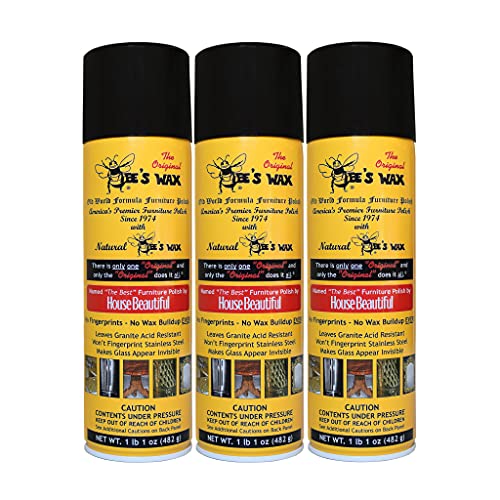
I find that applying a light coat of wax every few months adds a beautiful sheen and enhances durability. Look for a clear, non-yellowing wax, and use a soft cloth to buff it gently into the surface.
Lastly, rotating decorative items on these surfaces can help avoid uneven wear. Changing up decor also revitalizes the piece and makes it a focal point without additional work.
FAQ:
What materials do I need to paint faux bamboo furniture?
To paint faux bamboo furniture, you’ll need several essential materials. Start with a high-quality primer suitable for furniture. Then, choose a paint—either spray paint or acrylic paint works well. You’ll also need sandpaper to prepare the surface, a clean cloth for dusting, painter’s tape to protect areas you don’t want to paint, and brushes or rollers for application. Optionally, a sealant can provide extra protection once the paint is dry.
How do I prepare the bamboo furniture before painting?
Preparation is key to achieving a beautiful finish. Begin by cleaning the furniture thoroughly to remove any dust or grease. Next, gently sand the surface using fine-grit sandpaper to create a slight texture for better paint adhesion. Make sure to wipe down the furniture again with a clean cloth to eliminate any dust particles. Finally, use painter’s tape to cover edges and areas you want to keep paint-free.
Can I use any type of paint for faux bamboo, or is there a specific type recommended?
While you can technically use different types of paint, it is recommended to opt for either acrylic paint or spray paint designed for furniture. Acrylic paints provide excellent coverage and durability, while spray paints can offer a smooth finish with less visible brush strokes. Make sure the paint you choose is suitable for the material of your furniture and that it adheres well after priming.
What technique should I use to achieve the best faux bamboo effect?
To create a realistic faux bamboo effect, consider using a technique called ‘dry brushing.’ After the base coat is applied and dried, use a brush with only a small amount of paint on it. Lightly brush the paint across the surface, making sure to leave some of the base color visible in the grooves and details. You may also want to use a stencil or sponge technique for added texture, mimicking the natural patterns of bamboo.
How long does it take for the paint to dry on faux bamboo furniture?
The drying time for paint on faux bamboo furniture can vary depending on several factors such as the type of paint used, environmental conditions, and the thickness of the paint application. Generally, it may take about 1 to 2 hours for the surface to be touch-dry. However, it is advisable to wait at least 24 hours before applying a second coat or sealant. Always check the manufacturer’s instructions for specific drying times related to the products you are using.
What materials do I need to paint faux bamboo furniture?
To successfully paint faux bamboo furniture, you will need several materials. First, gather sandpaper for surface preparation, ensuring a smooth finish. A primer suitable for the furniture type is necessary to help the paint adhere. For the paint itself, you can choose either acrylic or latex paint in your desired color. Additionally, a small brush or foam roller will help apply the paint evenly. Don’t forget to have a clear coat or topcoat to protect your finished piece from scratches and wear.
Can I achieve a realistic faux bamboo effect with any paint technique?
Yes, achieving a realistic faux bamboo effect requires a specific technique. Start by applying a base coat in a light color, such as cream or beige, to mimic the natural color of bamboo. Once dry, use a smaller brush to add darker shades, like brown or green, in a vertical pattern to create the look of bamboo stalks. You can add details like knots and texture using a sponge or a rag. Finally, seal your work with a clear coat for durability. With patience and practice, this technique can yield impressive results.