Caleb Turner

The best approach involves utilizing natural repellents like peppermint oil. Mixing several drops of this oil with water in a spray bottle creates an effective deterrent. Spraying this solution on surfaces will emit a strong scent that many rodents find unappealing. Regular application, especially after rain, helps maintain its efficacy.
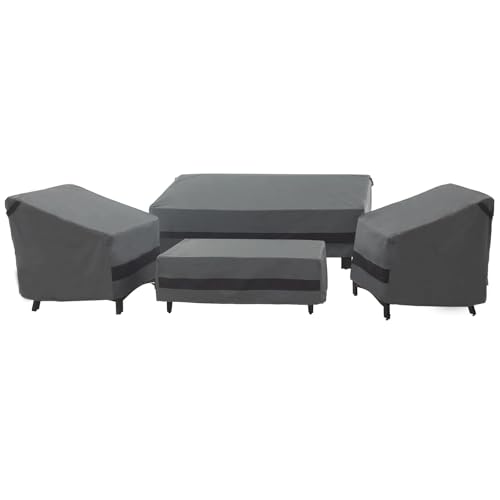
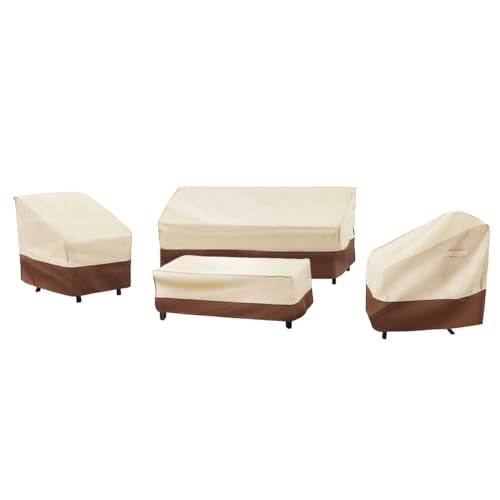
Another practical measure is setting up physical barriers. Employing high-quality covers or specially designed tarps can serve as a protective layer against unwanted visitors. Ensuring these covers fit snugly prevents them from being easily removed or displaced by wind or animals.
Consider placing motion-activated deterrents around the area. Devices emit sounds or sprays when they detect movement, which can startle and discourage rodents from approaching your seating area. Placement near frequently visited zones maximizes their effectiveness.


Lastly, maintaining a clean environment is crucial. Regularly clearing away food crumbs, fallen fruits, or nuts reduces attractants. Additionally, securing trash bins and removing any nesting materials will create a less hospitable environment for these critters.
Preventing Unwanted Visitors on Patio Items
Utilizing covers specifically designed for protection is an immediate solution. Investing in high-quality protective gear will create an effective barrier against intrusions.
Applying citrus-scented sprays around the setting can deter these small animals. The strong aroma tends to be off-putting for them, making your space less appealing.
Strategically placing barriers like metal mesh can physically block access to vulnerable areas, ensuring a challenging environment for unwanted guests attempting to approach those surfaces.
Keep spaces clean and free from food remnants or fallen nuts. Regularly inspect for potential attractants that may draw attention, and promptly remove them to maintain an inhospitable zone.
Implementing motion-activated devices can startle and discourage visitors. Sound or light-triggered deterrents can effectively keep them at bay without causing harm.
Using natural repellents such as cayenne pepper or vinegar can alter the taste or smell of the surrounding area, creating an unwelcoming habitat for them.
Creating a designated feeding area away from preferred items can redirect interest. This solution allows for the enjoyment of wildlife while safeguarding cherished possessions.
Understanding Squirrel Behavior and Habits
Recognizing patterns is key to managing these critters. I’ve observed that they thrive in environments abundant with food sources and shelter. When food becomes scarce, they may explore new areas, including patios and decks.
These animals are highly curious and active during the daytime, particularly at dawn and dusk. Their agility allows them to leap from tree branches onto structures. I noticed they often seek out areas that provide cover, using foliage and furniture as hideouts.
During spring and summer, they are particularly engaged in foraging. Nuts, seeds, and even fruits are irresistible to them. Keeping snack sources sealed and inaccessible can significantly reduce their visits.
Social habits also play a part. They communicate through vocalizations and tail movements, signaling danger or food availability to others. A single sighting often leads to more visitors in search of the same resources.
Creating an unwelcoming environment can deter their presence. I found that removing attractants, such as food remnants and accessible waste, compels them to look elsewhere. Regular maintenance and strategic placement of barriers are effective in preventing their actions around leisure areas.
Choosing the Right Materials for Outdoor Furniture
Opt for high-density polyethylene (HDPE) for its durability and resistance to the elements. This material mimics the appearance of wood but is impervious to moisture, making it less attractive for nesting.
Teak is another excellent choice. Its natural oils repel water and pests, while its dense structure deters gnawing. Regular oiling maintains its luster and enhances longevity.
Consider aluminum for its lightweight and rust-resistant properties. Powder-coated options offer additional protection and a sleek finish. Pairing aluminum with cushions made from solution-dyed acrylic fabric offers comfort without attracting unwanted attention from critters.
- HDPE: Weather-resistant, low maintenance.
- Teak: Durable, water-repellent, requires oiling.
- Aluminum: Lightweight, rust-proof, easy to clean.
Wicker made from synthetic fibers can be a great choice as well. It offers a stylish look and doesn’t provide nesting opportunities, especially if combined with cushions that have zippers, making them easier to store away.
Lastly, always choose materials that can stand up to UV radiation. This will prevent fading and degradation over time, ensuring that your pieces remain functional and visually appealing.
By carefully selecting these materials, I can create a relaxing exterior space while minimizing the chances of attracting unwelcome visitors.
Using Natural Deterrents to Prevent Visits
Utilizing natural substances can be an efficient strategy for deterring these agile creatures from your relaxation area. Here are some effective options:
Pepper and Spices
- Deploy cayenne pepper or black pepper around the periphery of your seating. The strong scent can effectively repel them.
- Create a mixture of water and hot sauce in a spray bottle and apply it to cushions and tables to add a spicy barrier.
Citrus Peels
- Place citrus peels, such as oranges and lemons, strategically where you notice frequent activity. The scent is unappealing to these animals.
- Replace peels every few days to maintain their potency.
Combining multiple scents can increase repellent effects. Consistency in application will yield better results over time. To enhance effectiveness, regularly monitor and refresh the deterrents.
Implementing Physical Barriers and Covers
Utilizing strong physical barriers is a straightforward method for deterring wildlife from your patio seating and tables. Consider investing in heavy-duty tarps or dedicated furniture covers that fit snugly. These should be made from durable materials that withstand weather elements, such as reinforced vinyl or heavy-duty polyester.
Fencing and Netting Solutions
Installing a fine mesh netting around your seating area creates an effective barrier. I recommend using a material that is at least 1-inch in diameter to prevent any access. Reinforce the netting with stakes or poles to ensure it stays upright and firmly in place, especially during windy conditions. For added effectiveness, choose a design that allows for easy access for humans while blocking entry for unwanted visitors.
Weight and Stability Enhancements
Securing items with weights can deter activity as well. I suggest using sandbags or decorative stones placed strategically to ensure that covers remain intact and cannot be easily moved or removed. Exploring furniture that is heavier in construction also aids in stability, minimizing the chances of disturbances. An additional layer of protection can include using natural stone or brick as boarders for patios and gardens to create unwelcoming barriers.
Setting Up Repellent Devices and Technology
I recommend using ultrasonic repellent devices. These gadgets emit sound waves that are uncomfortable for small animals, effectively persuading them to stay away. Position these devices strategically around seating areas; they should have an unobstructed path for sound to travel. Regular testing is advisable to ensure they function properly.
<p.Motion-activated sprinklers can also be effective. When movement is detected, they release a burst of water, surprising any nearby critters. Installing these in zones you wish to protect can create an unwelcome environment without harming the animals.
Some electronic deterrents utilize flashing lights. These lights can be programmed to activate during dusk and dawn when disturbances are common. Place them facing areas where visitors tend to gather, as inconsistency in light patterns can generate unease in small mammals.
For those interested in monitoring, consider setting up cameras. This will allow you to observe activity patterns and make adjustments accordingly. Awareness of visitation times informs strategic placement of deterrents and response measures.
Lastly, explore scent-based devices that emit odors unpleasant to small animals. These can be integrated into automatic dispensers for continuous application. Utilize these in conjunction with other methods for a layered defense approach.
Maintaining a Clean Outdoor Environment
Regularly eliminate food sources from patio areas, such as birdseed, pet food, or fallen fruits. This practice significantly reduces the attraction for these creatures.
Conduct frequent cleanups to remove debris like leaves, nuts, and seeds that might accumulate on decks or tables. These remnants often entice wildlife to visit.
Cleaning Schedule
| Day | Task |
|---|---|
| Monday | Remove fallen leaves and seeds |
| Wednesday | Wipe down surfaces with a mild soap solution |
| Friday | Check for nests and debris accumulation |
Store cushions and covers securely when not in use. Misplaced items can provide nesting options.
Utilize bins with tight-fitting lids for any waste disposal. Open containers attract various animals, worsening the situation.
Lastly, plant deterrent herbs like lavender or mint nearby. The strong scents can make the area less appealing.
When to Seek Professional Help for Squirrel Control
If damage to your belongings or loved ones’ safety becomes evident, it’s time to involve experts. A clear sign is persistent presence of rodents despite your efforts with deterrents or physical barriers. When attempts to discourage visits yield no results, a professional’s assessment is warranted.
Additionally, if you notice nests or burrows nearby, expert intervention can prevent potential property degradation or structural issues. Health risks can also escalate with disease transmission, notably if droppings or urine are found. Such circumstances require swift action from specialists trained in humane removal and prevention.
Should your environment be particularly prone to infestations, consulting with wildlife control can provide tailored strategies. Professionals possess knowledge about local species behavior and can offer sustainable solutions to enhance your property’s protection. Engaging with professionals ensures both immediate resolution and long-term management of these challenges.