
 Caleb Turner
One straightforward method involves using zip ties to fasten each cushion to the seat. This ensures that even on windy days, they stay put and don’t get blown away. Simply thread the ties through the corner straps of the cushions and loop them around the frame.
Another effective approach is utilizing cushion clips or hooks. These accessories attach the cushions directly to the structure, providing a robust hold without damaging the material. Look for clips that are rust-resistant for longevity during outdoor usage.
For a firm but gentle grip, consider adhesive Velcro strips. By adhering one side to the cushion and the other to the seating surface, you’ll create a secure bond that allows for easy removal and reattachment when cleaning is needed.


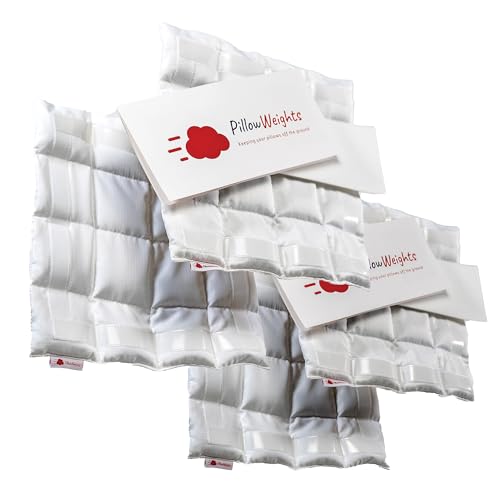
Additionally, weighted cushions can be a practical solution. Opt for ones that feature heavier filling or built-in weights at the corners, which can help stabilize them even during breezy conditions.
Choosing the Right Pillow Material for Outdoors
Select durable fabrics designed to endure weather variations. My preference leans toward solution-dyed acrylic, which resists fading and moisture absorption. Additionally, fabrics crafted from polyester with water-repellent coatings are excellent for quick-drying properties. Aim for UV resistance to prolong color and texture integrity even under sunlight exposure.
Key Materials to Consider
| Material | Benefits | Drawbacks |
|---|---|---|
| Solution-Dyed Acrylic | Highly UV resistant, fade-resistant, water-resistant | Higher cost compared to standard fabrics |
| Polyester | Quick-drying, often treated for water resistance, economical | May fade quicker without UV treatment |
| Textilene | Breathable, mold and mildew resistant, easy to clean | Stiff feel, limited color options |
| Sunbrella | Outstanding durability, fade-resistant, soft touch | Higher price point |
Final Tips
For filling, choose polyester fibers for their resilience and comfort. Memory foam also offers support but tends to trap moisture. Finally, consider using zippered covers for easy maintenance and replacement, ensuring longevity for your cushions.
Utilizing Pillow Storage Solutions
Investing in storage options is key to maintaining the integrity of cushions. I recommend using weatherproof storage bins, which can be placed near seating areas for easy access. These containers should be made of moisture-resistant materials to prevent mildew and deterioration.
- Choose bins with ventilation slots to allow air circulation, reducing the risk of mold.
- Select sizes that accommodate all shapes and sizes of cushioning for a tidy appearance.
In addition to bins, consider a deck box as a dual-purpose piece. These can serve both as seating and a storage solution. Look for models with built-in insulation to protect contents from temperature fluctuations.
Another effective solution is a hanging organizer. These can be easily mounted on a wall or fence near your seating area, ensuring that cushions are readily available when needed. Seek out designs that allow for quick removal and reinsertion.
- Some organizers come with waterproof pockets, adding an extra layer of protection.
- Portable caddies or tote bags are also handy for transporting cushions from storage to seating areas.
Finally, regular cleaning of storage solutions is essential. This prevents dirt buildup and helps maintain a welcoming atmosphere for gatherings.
Integrating Weighted Cushions for Stability
Adding weight to your soft seating accessories can significantly enhance their stability against the elements. Select cushions that incorporate weighted materials such as sand or small beads within their filling. This will help anchor them securely, reducing the tendency to shift during wind or movement.
Choosing the Right Weight
It’s crucial to find the right balance; too much weight might make them uncomfortable, while too little won’t provide the desired effect. Aim for a combination that allows ease of repositioning while maintaining grounding on breezy days. Experiment with various weights to determine what suits your space best.
Multi-functional Options
Consider cushions designed with integrated weights not only for stability but also for aesthetic enhancement. Look for styles that can match or complement your existing decors, such as those with attractive fabrics or patterns. This offers both utility and visual appeal, making your lounging areas not just functional but inviting.
Using Pillow Clips and Ties for Secure Attachment
For securing cushions on seats, I recommend utilizing clips designed specifically for this purpose. These clips can fasten directly to the furniture, locking the padding in place and preventing it from sliding. Many models are adjustable, allowing for easy customization based on the specific dimensions of the items.
Additionally, fabric ties offer an ingenious solution. By sewing or attaching these ties to the corners of the cushions, I can easily secure them to the chair framework. This method ensures that the upholstery remains positioned even in windy conditions. Look for durable materials that resist weather-induced wear.
Combining both clips and ties can provide greater stability. By using both methods, I increase the reliability of the hold, especially during inclement weather or high-traffic situations.
Investing in quality clips and ties is worthwhile, especially those made of rust-resistant materials to ensure long-lasting performance. Regular checks for wear will help maintain functionality throughout the seasons.
Implementing Wind-Resistant Strategies
Weighted bases are a solid choice. I often use heavy stones or bags filled with sand, placing them under cushions to minimize movement. This method has proven effective against gusts that would otherwise displace lightweight options.
Strategic Placement
Positioning seating arrangements in sheltered areas can greatly reduce wind impact. I look for corners, walls, or natural barriers, as these spots provide more stability for the textiles. Even simple adjustments can make a noticeable difference in keeping everything in place.
Wind-Resistant Accessories
Utilizing decorative boulders or tying clusters of fabric with specific knots creates visual interest while adding functionality. I find that integrating these methods not only enhances aesthetics but also bolsters security against unruly breezes.
These targeted solutions create a more tranquil ambiance, allowing enjoyment of the outdoors without concern for constant adjustments. By combining various strategies, the setup remains intact and visually appealing, regardless of the weather conditions.
Routine Maintenance to Prevent Pillow Movement
Regularly checking the condition of your cushions is key to minimizing their displacement. Start by inspecting seams and fabric for wear or loose threads. Resealing edges or repairing minor damage prevents further issues and helps maintain a snug fit on seating.
Routine Adjustments
Rotate cushions frequently to promote even wear. Switching positions can create a more stable arrangement, reducing displacement. This simple task can be added to your garden maintenance schedule.
Regular Cleaning
Keeps dirt and debris from accumulating, which can cause slipping. A soft brush or vacuum attachment can be used to gently clean surfaces without compromising fabric integrity. Follow with a damp cloth to remove stubborn stains.
FAQ:
What are some practical ways to prevent pillows from blowing away on outdoor furniture?
There are several effective methods to keep pillows in place. You can use weighted pillow covers that have built-in weights to counteract the wind. Additionally, furniture clips or Velcro strips can be attached to both the pillows and the furniture to hold them in place securely. Another option is to design a storage solution that allows you to easily bring the pillows inside during windy weather.
Are there specific types of pillows that are better suited for outdoor use?
Yes, when choosing pillows for outdoor furniture, look for those labeled as weather-resistant or outdoor-specific. These pillows typically use materials that withstand moisture and fading from UV rays. Fabrics like solution-dyed acrylic or polyester are excellent choices. You may also consider pillows with water-resistant zippers and removable covers for easy cleaning.
How can I stylishly store outdoor pillows when not in use?
To store outdoor pillows stylishly, consider using decorative storage boxes or bins that complement your furniture. Another idea is to invest in an outdoor ottoman that doubles as a storage unit. This way, your pillows remain protected and easily accessible while still looking good in your outdoor space. Moreover, you can choose storage solutions that are portable, so you can move them as needed.
What DIY solutions can I make to enhance pillow stability on outdoor furniture?
If you’re inclined towards DIY projects, consider making pillow weights using small bags filled with sand or stones. You can attach these weights to the corners of your pillows to keep them grounded. Another option is to sew pockets into the back of the pillows that can hold these weights. Additionally, you can create a pillow slipcover with ties that can be tied around the furniture legs for extra security.
Is it necessary to bring pillows indoors during bad weather?
While it might not be necessary for all types of outdoor pillows, it is generally recommended to bring them indoors during extreme weather conditions such as heavy rain, storms, or strong winds. This helps extend their lifespan and maintain their appearance. If you’re unable to bring them inside, covering them with waterproof furniture covers can offer some protection.


