
 Caleb Turner

Begin with choosing a high-quality, weather-resistant fabric that suits the style of your space. Opt for materials such as acrylic or polyester that can withstand the elements while remaining easy to clean. Measure your seating accurately to ensure a perfect fit, considering both length and width.
Use foam that is specifically designed for outdoor use, as it offers durability and comfort. Cut the foam to the required size, keeping in mind a thickness that provides adequate support. Layering different densities of foam can enhance comfort while maintaining shape over time.
Once the foam is prepared, create a cover by sewing the fabric into the desired shape. Adding a zipper or Velcro fastener allows for easy removal and cleaning. Make sure to reinforce seams to prevent fraying from constant use. Following these steps will result in stylish and functional seating enhancements that elevate your outdoor experience.
Crafting Cushions for Garden Seats
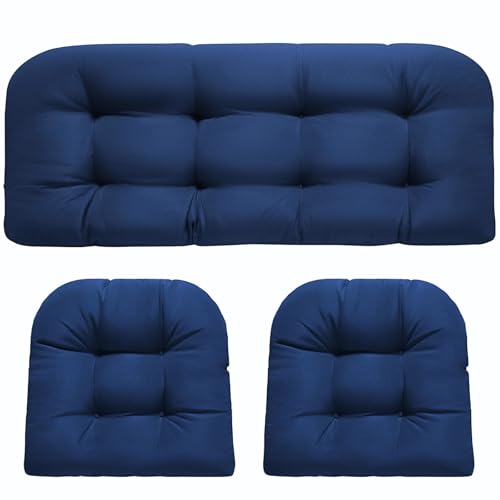
Choose a water-resistant fabric to protect against moisture and UV rays. Materials such as acrylic or polyester are ideal due to their durability and colorfast properties. Measure the seating area accurately to ensure the final product fits snugly.


Cutting and Sewing
Use a sharp fabric scissors to cut the chosen material, adding an extra inch for seam allowances. Sew along the edges, leaving a gap for stuffing. Use a polyester fill or foam for comfort; adjust the thickness based on personal preference. Once filled, securely sew the opening closed.
Finishing Touches
Add ties or Velcro on the bottom to keep the cushions in place during windy days. Consider decorative elements like piping or contrasting stitching for a polished look. Regularly check for wear and tear to ensure longevity of the cushions.
Choosing the Right Outdoor Fabric for Cushions
Opt for materials resistant to fading and moisture. Solution-dyed acrylic fabrics are excellent choices, as they resist UV rays and maintain color. Look for breathable options that allow for quick drying after rain.
- Polyester: Versatile and often treated for water resistance, making it suitable for varying weather.
- Olefin: Known for durability and stain resistance, ideal for high-use areas.
- Sunbrella: A leading brand offering a wide range of colors and patterns, known for longevity and ease of cleaning.
Check for fabric weight. Heavier fabrics tend to be more durable against wear and tear. Consider the weave; tighter weaves provide better protection against dirt and insects.
Look for antimicrobial treatments to resist mold and mildew growth, especially in humid climates. Some fabrics feature additional coatings that enhance water and stain resistance.
Evaluate color and pattern when choosing textiles. Light colors may show stains more readily, while dark colors can absorb heat, making them less comfortable in sunny areas.
Before finalizing a selection, request swatches to test in the intended environment. Evaluate how the fabric interacts with your existing décor and its overall feel to ensure satisfaction with the final result.
Measuring Your Outdoor Furniture for Custom Cushions
Begin with a measuring tape to ensure precise dimensions. Measure the width, depth, and height of each surface area where cushions will rest. For seating, capture width from one armrest to the other. For backs, measure from the bottom of the seat to the top or the intended height for lower support.
Detailed Measurements
For accuracy, round measurements to the nearest quarter inch. Consider thickness based on personal comfort preferences. If creating cushions with ties, factor in additional length for secure fastening.
Common Dimensions Table
| Type | Measurement (inches) |
|---|---|
| Seat Width | 20 – 30 |
| Seat Depth | 18 – 24 |
| Back Height | 12 – 20 |
| Cushion Thickness | 3 – 5 |
Measure any other uniquely shaped areas, translating those figures onto graph paper for a visual representation. This step aids in ensuring all angles and dimensions align accurately with your envisioned cushion design.
Selecting the Appropriate Pillow Fill Material
Choose between foam, polyester fiberfill, or natural materials based on your use case. Each option brings unique properties that cater to different preferences.
- Foam: Ideal for firm support. Consider high-density foam for durability. It retains shape well and offers excellent support for long periods of sitting.
- Polyester Fiberfill: Lightweight and soft, this material provides a plush feel. It’s also easy to clean and quick-drying, making it suitable for areas prone to moisture.
- Natural Materials: Options like down or wool provide breathability and comfort. They are more environmentally friendly but may require more maintenance to keep them in good shape.
Test different materials for comfort before making a decision. Consider the climate too; some fillings perform better in varying weather conditions.
- Evaluate your seating style and frequency of use.
- Consider how easy it is to clean and maintain.
- Weigh the comfort vs. durability trade-offs of each filling option.
Ultimately, the right choice hinges on your personal comfort preference and the specific scenario in which the cushions will be used. Prioritize functionality that matches your lifestyle and needs.
Cutting Fabric and Preparing Pillow Covers
Begin with precise measurements, ensuring the fabric is cut accurately to match the desired dimensions of the inserts. Use a rotary cutter or sharp fabric scissors to achieve clean edges. Lay the material flat on a cutting mat to prevent slipping.
Steps to Cut Fabric
- Place the fabric right side up and smooth out any wrinkles.
- Using a ruler or measuring tape, mark the dimensions of each piece on the fabric with a fabric marker or chalk.
- Cut along the marked lines, maintaining an allowance of ½ inch for seam allowance.
After cutting, it’s beneficial to prepare the edges of the fabric to prevent fraying. A zigzag stitch along the raw edges of each piece is effective, or apply a fray-check solution to keep them intact.
Assembling the Pillow Covers
- Position two fabric pieces with right sides facing each other.
- Pin the pieces together, leaving an opening for inserting the cushioning later.
- Sew along the pinned edges, ensuring to backstitch at the beginning and end for durability.
Press the seams open with an iron for a neat finish. Turn the covers right side out, using a blunt object to push out corners if needed. This attention to detail enhances the overall look of the cushions.
Sewing Techniques for Durable Outdoor Cushions
Using a French seam ensures that edges are concealed and reinforced, preventing fraying. First, join the fabric pieces with wrong sides together, then trim the edges before sewing again with right sides facing. This method adds strength and a polished finish.
Incorporating a double topstitch along the seams enhances durability. This technique not only reinforces the construction but also offers a decorative touch. Set your sewing machine to a straight stitch and sew about an eighth of an inch from the seam line, creating a parallel stitch for added stability.
Consider utilizing the zigzag stitch for the raw edges. This provides additional protection against fraying and helps maintain the integrity of the seams over time. It’s ideal for fabrics that fray easily, ensuring longevity even with exposure to weather conditions.
When attaching zippers, opt for waterproof options. A concealed zipper installation will give a seamless look while allowing for easy cover removal. Align the zipper edge with the fabric, and sew carefully to maintain an even gap for efficient opening and closing.
Reinforce all corners with extra stitching. Creating a square or boxed corner can help the cushion retain its shape and improve comfort. Use additional fabric to create a corner pleat, ensuring the corners are not just functional but aesthetically pleasing as well.
Lastly, pre-washing your fabric helps prevent shrinking after assembly. Always measure the pre-washed fabric to ensure accuracy in sizing, which is critical for a well-fitting product that holds its shape and provides comfort over time.
Additions: Zippers vs. Velcro for Easy Cleaning
I recommend using zippers for a more polished look and durability. They provide a secure closure and allow for easy removal of covers, facilitating cleaning and maintenance without compromising the aesthetic. Choose high-quality, rust-resistant zippers, ideally with a wide opening to simplify access when removing covers.
Velcro, while easier to handle, may wear out over time, losing its grip and effectiveness. It tends to attract debris, making maintenance a bit trickier. If opting for Velcro, ensure that it’s placed strategically to allow for quick replacement but consider using it in areas where tightness isn’t as critical.
In summary, zippers are preferable for longevity and neatness, while Velcro can be used where convenience is prioritized, even if it may necessitate more frequent replacements. Always factor in the frequency of cleaning and the ease of repair when making a choice between the two options.
Creating Decorative Elements: Piping and Trim
To enhance the aesthetic appeal of your cushions, incorporating piping and trim is a great strategy. I recommend using contrasting fabric for the piping to create a striking border that draws the eye. Cut bias strips of fabric about 2 inches wide to form the piping. Using bias allows for better flexibility around corners and curves.
To attach the piping, sew it into the seam of the cushion cover as you assemble it. This process involves placing the piping along the edge of the fabric, ensuring it is evenly distributed. I find it useful to use a zipper foot on my sewing machine, which allows for closer stitching to the piping without affecting the cushion’s main body.
Adding trim, such as fringe or rickrack, can also elevate the design. If choosing fringe, attach it to the seam allowances before sewing the cover shut. This way, the fringe sits beautifully along the edges, adding texture. For rickrack, similar attachment techniques apply, ensuring it complements the main fabric without overwhelming the overall design.
Experimenting with different colors and textures for both piping and trim can help achieve a customized look that reflects personal style while enhancing comfort areas. These details can transform simple coverings into statement pieces that elevate any setting.
Waterproofing Your Cushions for Long-lasting Use
A reliable method to waterproof your soft items is using a spray-on water-resistant treatment. Ensure the cushions are clean and dry before applying. Opt for a high-quality fabric protector that is compatible with your chosen material. Follow the manufacturer’s instructions, applying it evenly and allowing ample time for it to cure.
Sealing Edges and Seams
Utilize a seam sealant specifically designed for the fabric type; this will reinforce weak points against water penetration. Apply the sealant inside the seams to create a barrier, enhancing durability and longevity. Always remember to check after each wash for any signs of wear on the seals.
Choosing the Right Fill Material
Selecting a moisture-resistant fill, like synthetic fibers, can significantly mitigate water damage. Avoid natural materials such as cotton that absorb moisture. Instead, opt for quick-drying, mildew-resistant options, promoting a healthier and more sustainable item for your outdoor seating.
Routine maintenance and care, including proper storage during adverse weather conditions, can also prolong the life of these accessories. Maintaining your items with these methods will ensure they remain in excellent condition despite the elements.
Maintaining and Cleaning Outdoor Cushions Properly
Regular cleaning extends the lifespan of your seating accessories. Begin by removing any loose dirt or debris using a soft brush or vacuum cleaner. Spot cleaning with a solution made from mild soap and water works effectively for small stains. Use a soft cloth or sponge to gently scrub the affected area, then rinse with clean water.
Deep Cleaning Routine
For thorough cleaning, consider machine washing if the fabric is safe for such treatment. Always check care labels for specific instructions. If hand washing is necessary, immerse items in a tub filled with lukewarm water and a mild detergent. After soaking for 10-15 minutes, scrub gently, then rinse thoroughly.
Drying Techniques
Proper drying prevents mold and mildew. Air-drying is preferred–lay items flat on a clean surface or hang them up. Ensure complete dryness before storing to avoid moisture build-up. If using a dryer, choose a low heat setting and add dryer balls to maintain fluffiness.
| Cleaning Method | Frequency | Notes |
|---|---|---|
| Spot Cleaning | As needed | Immediate attention helps prevent stain setting. |
| Deep Cleaning | Every 4-6 weeks | Check fabric care instructions. |
| Air-Drying | After washing | Ensure complete dryness before storage. |
Using a protective cover can also minimize dirt accumulation and reduce cleaning frequency. Make care routines a seasonal task, ensuring all seating aids remain fresh and comfortable.


