Caleb Turner
To enhance the sturdiness of your pieces, consider using corner brackets. These metal fasteners are easily installed and can significantly reduce wobbling, making your items more secure. Be sure to anchor them properly, ensuring a tight fit for optimal performance.
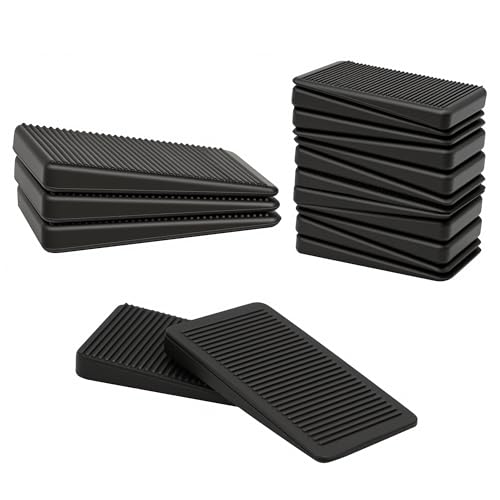
Adding rubber pads beneath the legs provides another effective method. These small pads absorb shock and prevent slipping, especially on hard surfaces. I recommend selecting high-friction materials to improve gripping and prevent any unwanted movement.
Adjusting the leg height also plays a crucial role. Use furniture levelers for units that sit unevenly. This feature ensures that every leg is in contact with the ground, preventing rocking and creating a solid base.


Reinforcing joints is equally important. Using wood glue or dowels for wooden constructions can prevent separation over time. For particleboard or laminate, consider using brackets or screws to add strength to vulnerable areas.
Assessing Furniture Stability Issues
I recommend checking for uneven surfaces before proceeding with any adjustments. Place a level across the top of the piece to identify low areas that cause wobbling. If the ground is the culprit, consider using furniture coasters or adjustable leveling feet to achieve a balanced foundation.
Inspecting Joints and Connections
Examine all joints and fastenings diligently. Loose screws, bolts, or dowels can create instability. Tighten any loose components using the appropriate tools, and consider applying wood glue to strengthen joints that appear weak.
Weight Distribution Assessment
Analyze the distribution of weight on the item. Overloading one side can lead to tipping hazards. Rearranging items or using support brackets can help to evenly distribute weight and enhance steadiness.
Choosing the Right Base Materials
Selecting suitable base materials is key for achieving durability and balance in designs. Solid wood stands out for its strength; species like oak and maple provide excellent support and longevity. For a more modern option, plywood with multiple layers offers rigidity and resistance to warping, making it a reliable choice for tabletops and frames.
Metal Components
Using metal such as steel or aluminum in legs or support structures enhances robustness. Steel, known for its high tensile strength, can be shaped into thin forms while maintaining structural integrity. Aluminum is lightweight yet sturdy, perfect for modular designs that require mobility.
Composite Options
Composite materials, like MDF or particleboard, present an economical alternative. They offer uniformity but may require careful consideration regarding weight distribution and load limits. Proper reinforcement in joints can significantly increase durability, addressing potential weaknesses inherent to composites.
Utilizing Structural Reinforcements
Integrating cross-bracing is an immediate method for significantly enhancing support. This technique involves placing diagonal braces between vertical posts or panels to form triangular shapes, which distribute weight more evenly and resist lateral forces.
Incorporating corner blocks is another practical solution. These small wooden or metal pieces fit into the corners of frames, providing additional rigidity and preventing wobbling. I usually install them at the intersection of legs and aprons for best results.
Adding a solid back panel can greatly improve resistance to tipping. I prefer using plywood or MDF, which not only reinforces the piece but also adds aesthetic appeal. The panel should be securely fastened to the side and bottom edges for maximum effect.
Utilizing tension cables can provide an innovative approach to achieve firmness in designs, especially in more modern structures. By strategically placing cables across joints, tension helps pull components together, enhancing stability without adding bulk.
Relying on dowels and screws over simple nails is essential when joining components. Dowels create a stronger bond and resist pull-out forces, while screws allow for adjustable tension and replacement if needed.
A well-designed leg assembly can enhance the firmness of any item. Opting for thicker legs with slightly flared bases can help manage weight better and reduce the risk of tipping. I often choose to set legs at an angle for better weight distribution.
Lastly, utilizing stabilizing plates can be beneficial in larger items. These heavy metal plates are installed at the base of legs to provide a broader contact surface, distributing weight over a larger area and minimizing movement.
Implementing Proper Weight Distribution
Positioning heavier items in lower compartments significantly enhances balance. For instance, utilizing weighted bases or integrating heavy-duty shelves can stabilize the overall structure. Ensure that weights are evenly distributed across all surfaces to prevent tipping.
Utilize corner brackets for securing shelves and cabinets, as these reinforce corners by balancing weight in multiple directions. When placing items, arrange heavier objects toward the bottom and lighter ones on top. This hierarchy facilitates a lower center of gravity, minimizing the risk of an accidental fall.
Additionally, consider the footprint of each item. Wider bases naturally provide better support, so opt for designs that feature greater surface areas at their base. This decrease in height-to-width ratio contributes to improved equilibrium.
Be mindful of the materials used; denser materials tend to offer enhanced stability. For instance, using solid wood or metal components rather than particle board can significantly affect weight distribution outcomes. Reinforce joints and connections as they can become weak points under uneven load. Adopting these practices will markedly strengthen the structure’s resilience and reliability.
Adjusting Leg Height and Leveling
To address uneven surfaces, use adjustable leg levelers or rubber pads. Install leg levelers by screwing them into the base of each leg, allowing for height modifications as needed. Rubber pads offer a simple solution by sticking to the bottom of the legs and compensating for minor variances in floor height.
Ensure that the adjustments are measured accurately. A level tool can be useful for this process–place it on the surface to confirm it is even after adjustments. If a leg is too short, consider adding extensions or replacing the leg altogether to match others in height. For a more aesthetic approach, ensure the finish of the extensions matches the rest of the piece.
Regularly check the leveling of each leg, especially after moving the item. Small shifts can impact overall balance. Tightening screws regularly also aids in maintaining stability over time. Simple adjustments can significantly enhance stability and performance, extending the life of your piece.
If legs are made from wood, consider sanding down or adding felt pads to create a flush surface. This approach minimizes wobbling and maintains an even stance on both hard and carpeted floors.
Regular Maintenance and Inspection Tips
Conduct inspections regularly to identify wear and tear. I look for loose joints, scratches, and signs of deterioration that may undermine integrity. Tightening screws and bolts is essential; I use a screwdriver or a wrench to secure connections, ensuring everything is snug.
Scheduled Maintenance
I set a schedule for maintenance tasks. Weekly checks help catch minor issues before they escalate. For wooden items, I apply wax to protect surfaces and prevent moisture absorption, which could lead to warping.
Cleaning Methods
Cleaning is vital for longevity. I use a soft, damp cloth to remove dust, avoiding harsh chemicals that might damage finishes. For upholstery, I vacuum regularly and spot-clean stains promptly to maintain appearance and integrity.
| Inspection Task | Frequency | Notes |
|---|---|---|
| Tighten screws and bolts | Weekly | Use appropriate tools for a secure fit. |
| Inspect for scratches and damage | Monthly | Focus on edges and corners. |
| Clean surfaces | Weekly | Avoid abrasive cleaners. |
| Check for moisture damage | Monthly | Address any sources of moisture immediately. |
Document findings during inspections to track changes over time. I note any repairs conducted, which helps in planning future maintenance effectively. Simple actions significantly extend the lifespan and performance of my items, making a noticeable difference.