Caleb Turner

I’m often asked about how furniture is handled during renovations showcased on the show. Typically, pieces are allowed to occupy the space for several weeks, ensuring that each item finds its rightful place while maintaining the aesthetic flow of the cabin.
During the transformation process, I recommend considering the type of materials used and their interaction with the cabin’s environment. Wood pieces, for example, need time to acclimate, which can take a few weeks. This adjustment helps in preventing warping or shrinkage, which is crucial for maintaining their integrity.
Another key point to remember is the importance of furniture selection. Opt for durable and sturdy items that can withstand the wear and tear of a seasonal vacation spot. This means investing in quality furniture that not only looks great but also remains functional and intact for years.
Beyond the physical presence, I encourage owners to think about the emotional aspects associated with their furnishings. Familiar items contribute to a welcoming atmosphere, making it feel like a true retreat. It’s all about creating a space that resonates with warmth and comfort while blending seamlessly into the natural surroundings.


Duration of Installations on Maine Cabin Masters
Pieces featured on key episodes typically remain until the cabin’s presentation concludes. After filming, most creations stay for evaluation but often get replaced or removed as the space evolves.
Conditions Affecting Longevity
Several factors influence how long installations last. Custom creations may remain longer if they are well-received. Seasonal changes also lead to periodic updates, reflecting shifting trends and needs.
Viewer Interactions
Fan demand can impact the decisions around which pieces endure. Popular elements may enjoy extended stays, particularly if they resonate with audiences across various platforms.
Materials used and standard maintenance also play significant roles. High-quality items tend to last longer, but functionality and personal taste drive the ultimate choices after filming wraps up.
Understanding the Furniture Selection Process
Choosing pieces often involves a structured approach, ensuring a blend of style, function, and comfort. Here are key steps I follow to make the best choices:
- Assessing the Space: Measure dimensions thoroughly to identify proportions and scale. Consider layout and flow to avoid crowding.
- Defining the Style: Clarify the desired aesthetic. Whether rustic, modern, or eclectic, establishing a vision can guide selections.
- Material Selection: Prioritize durability and maintenance. Different environments might require specific finishes and upholstery.
- Comfort Testing: Sit on chairs or sofas to evaluate ergonomics. Aesthetic appeal is essential, but comfort must not be overlooked.
- Functionality: Determine how pieces will be used. Multi-functional items can maximize smaller spaces effectively.
- Budget Planning: Set a clear spending limit. This helps in narrowing options without compromising quality.
- Source Wisely: Conduct research on suppliers and visit showrooms. Compare prices, quality, and reviews before making decisions.
- Delivery and Setup: Confirm logistics for delivery and installation. Ensure that all pieces fit through doorways and can be assembled easily.
This systematic approach not only streamlines the selection but also ensures a harmonious and functional result that aligns with personal taste and practical needs.
Duration of Furniture Projects on Maine Cabin Masters
Typically, furnishings are completed within a two to four-week timeframe, depending on project complexity and customization required. Standard items often take less time, while bespoke pieces may extend this duration. I approach each project with a detailed schedule, ensuring alignment with client needs and materials availability.
Factors Influencing Project Timeline
Key elements impacting the timeline include design specifications, material sourcing, and seasonal considerations. Custom orders require precise planning; delays in material arrival can extend project completion. Efficient coordination with suppliers is essential for timely deliveries.
Tips for Expediency
To ensure swift completion, maintaining clear communication with clients throughout the process is vital. Prioritizing design decisions and confirming selections early on helps to streamline workflow. Being proactive about potential challenges leads to smoother project execution.
Factors Influencing Furniture Longevity in Cabin Renovations
Quality of materials plays a pivotal role. I prioritize durable woods such as oak and maple when selecting pieces, ensuring resistance to wear over time.
Environmental conditions significantly impact longevity. High humidity can warp materials; thus, I opt for finishes that resist moisture damage, particularly in rustic settings.
Construction techniques also matter. Miter joints or dovetail joints provide strength compared to simple butt joints.
Regular maintenance is non-negotiable. I recommend periodic polishing and checks for loose connections to extend the life of each item.
- Material selection: Choose hard woods for long-lasting performance.
- Protective finishes: Utilize water-resistant coatings to guard against moisture.
- Craftsmanship: Favor traditional joinery for enhanced durability.
- Maintenance routines: Implement cleaning schedules and regular inspections.
Design choices can influence lifespan. Avoid overly intricate designs that may be difficult to clean and maintain.
Lastly, usage patterns must be considered. If pieces are placed in high-traffic areas, sturdier options should be prioritized to withstand everyday wear and tear.
Quality of Materials Used in Maine Cabin Masters Projects
For any renovation or construction, choosing premium materials is paramount to achieving lasting results. In my experience with projects featured on this show, several factors influence the selection of materials that not only enhance aesthetics but also ensure durability.
Hardwoods like oak, maple, and cherry are often utilized for furniture, offering exceptional resilience and timeless beauty. These woods stand up well against wear and tear, making them ideal for rugged cabin environments. I’ve noticed that reclaimed wood also plays a significant role, adding character while promoting sustainability.
When it comes to fabrics, outdoor-rated textiles are frequently employed for upholstery, ensuring resistance to both sunlight and moisture. Fabrics like Sunbrella are common choices, providing vibrant colors and patterns while maintaining their integrity in harsh weather conditions.
Metal components such as iron and stainless steel are used extensively. Their strength and ability to resist rust make them fitting for hardware and frames. I’ve observed that using these alloys can significantly reduce maintenance requirements in the long run.
| Material Type | Benefits | Common Uses |
|---|---|---|
| Hardwoods | Durability, natural beauty | Furniture, cabinetry |
| Reclaimed Wood | Sustainable, character-rich | Accent walls, furniture |
| Outdoor Fabrics | Fade-resistant, durable | Upholstery, cushions |
| Metal Alloys | Strength, low maintenance | Hardware, fixtures |
Investing in quality materials not only elevates the design but also enhances the longevity of each piece. By focusing on durable options, I ensure that each project withstands the test of time and the rigors of its environment.
Typical Furniture Styles Featured on the Show
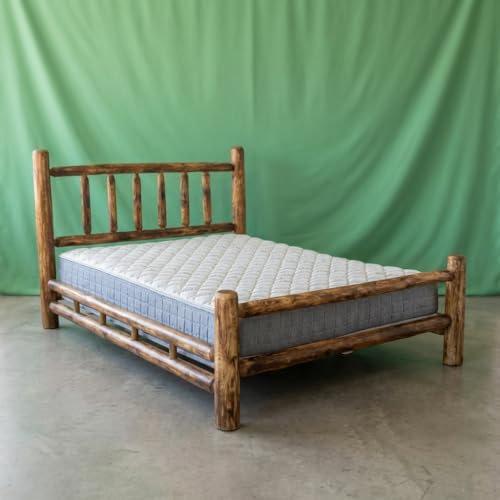
Rustic charm defines many of the pieces seen on-screen, often prioritizing natural wood and handcrafted elements. The style resonates with the surrounding environment, enhancing the cozy atmosphere of each retreat.
Key Styles
- Rustic: Celebrated for its raw, organic aesthetic, these items often feature weathered finishes and reclaimed materials.
- Cottage: Light colors and inviting designs characterize this style, focusing on comfort and simplicity.
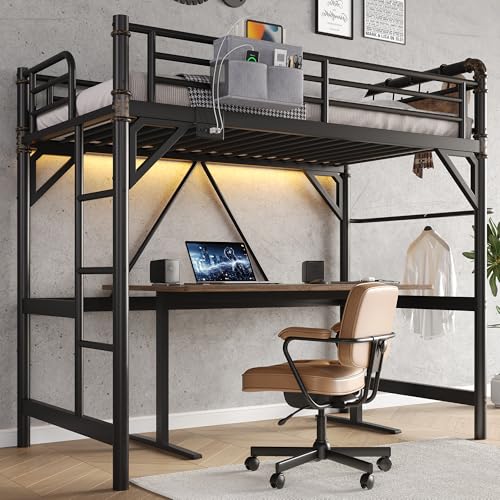
- Industrial: Combining metal and wood, industrial pieces introduce a contemporary edge, suitable for modern yet cozy spaces.
- Modern Farmhouse: A blend of traditional and modern, this style often incorporates shiplap, neutral palettes, and functional decor.
Recommended Elements
- Opt for durable upholstery fabrics that withstand wear.
- Incorporate multi-functional items to maximize space utility.
- Consider hand-crafted artisan pieces to add personal touches.
- Utilize natural fibers such as wool or jute for a homely feel.
Elements are chosen based on aesthetic appeal, functionality, and harmony with the natural surroundings, ensuring each piece contributes to a welcoming environment while showcasing individuality.
Expert Tips for Maintaining Furniture After Renovation
Regularly dust surfaces with a soft, dry cloth. This prevents buildup that can dull finishes and damage materials.
Utilize coasters under beverages to protect surfaces from moisture rings and heat damage. Invest in quality coasters that match your decor for a seamless look.
Apply a furniture polish or conditioner monthly on wooden items. This nourishes the wood, enhancing its finish and extending lifespan. Choose products without harsh chemicals for better long-term results.
Keep pieces out of direct sunlight to prevent fading and warping. Curtains or blinds can help regulate light exposure.
Use protective covers for items that are less frequently used. These shields guard against dust and accidental scratches.
When cleaning fabrics, follow manufacturer instructions for best results. Vacuum upholstered pieces weekly to remove dirt and allergens.
Avoid placing heavy items on delicate surfaces to maintain structural integrity. Distribute weight evenly across shelves and tables.
Inspect joints and connections periodically, tightening screws or bolts as necessary. This helps ensure stability over time.
Viewer Impact: Do Clients Keep Their Cabin Furnishings?
Many clients retain their renovated cabin furnishings after the show concludes. The emotional attachment formed during the renovation process significantly influences this decision. I often hear from viewers that seeing the transformation instills a sense of pride in their investment.
Emotional Connection to Renovated Spaces
Participants frequently express their love for the newly designed spaces, prompting them to keep the items that resonate with their vision. This emotional bond fosters a desire to maintain the aesthetics crafted by the design team, making it less likely for them to replace these pieces shortly after the show airs.
Practical Considerations
Clients typically assess the practicality of retaining their furnishings based on various factors. Durability is crucial; many choose to keep items crafted from high-quality materials, knowing they can withstand wear over time. Client feedback indicates that items striking a balance between style and utility are often kept, as they remain functional for years to come.
In summary, the retention of cabin decor is largely influenced by emotional connections combined with practical evaluations. Clients are more inclined to cherish the transformations and adapt them to their lifestyles rather than opting for replacements soon after renovations are completed.
Comparing Maine Cabin Masters with Other Renovation Shows
I find it beneficial to examine how Maine Cabin Masters differentiates itself from other home renovation programs. A striking feature is its focus on rustic aesthetics, which often emphasizes handcrafted details, local materials, and a connection to nature. This approach sets it apart from shows that prioritize modern or urban designs.
In my experience with different series, shows like Property Brothers typically revolve around high-paced renovations with quick turnarounds, often neglecting the rich narratives behind each project’s cultural significance. Maine Cabin Masters, on the other hand, invests time in revealing the stories behind family cabins, thereby creating emotional connections for viewers and homeowners alike.
Additionally, many renovation programs utilize extensive budgets and professional designers for high-end transformations. Meanwhile, this particular series often embraces DIY elements, encouraging viewers to engage in the renovation process themselves. This cultivates a sense of community and involvement, which isn’t as prevalent in other shows.
Another noteworthy element is the types of structures featured. While shows may focus on residential homes, this series primarily showcases cabins and seasonal getaways. This distinctive angle appeals to those interested in the lifestyle associated with these types of retreats.
Finally, the camaraderie between crew members resonates with many fans. While other shows may sometimes highlight competition among peers, Maine Cabin Masters presents collaboration and friendship, reinforcing positive relationships and teamwork in the renovation process.
| Show | Focus | Style | Budget Approach | Team Dynamic |
|---|---|---|---|---|
| Maine Cabin Masters | Rustic cabins | Handcrafted, natural | DIY elements, local materials | Collaborative, friendly |
| Property Brothers | Residential homes | Modern, upscale | High budget, professional design | Competitive, fast-paced |
| Fixer Upper | Family homes | Farmhouse, modern rustic | Medium budget, contractor-driven | Supportive, family-oriented |
| Extreme Makeover: Home Edition | Community-driven homes | Varied | Large budget, celebrity contributions | High impact, team-intensive |