
 Caleb Turner

To confirm the authenticity of McGuire pieces, check for a brass tag stamped with the name “McGuire” located on the underside or back of the item. This tag often signifies genuine craftsmanship and company heritage.
Next, examine the construction methods employed. McGuire is renowned for its use of high-quality materials. Pieces frequently feature hand-woven rattan and solid hardwood frames, showcasing exceptional attention to detail. Look for seamless joints and robust assembly techniques that highlight durability.
Additionally, consider the design elements. McGuire’s style often embodies a blend of organic forms and elegant lines, frequently inspired by nature. Distinctive motifs can provide significant clues; features such as curved edges and textural contrasts typically mark original creations.
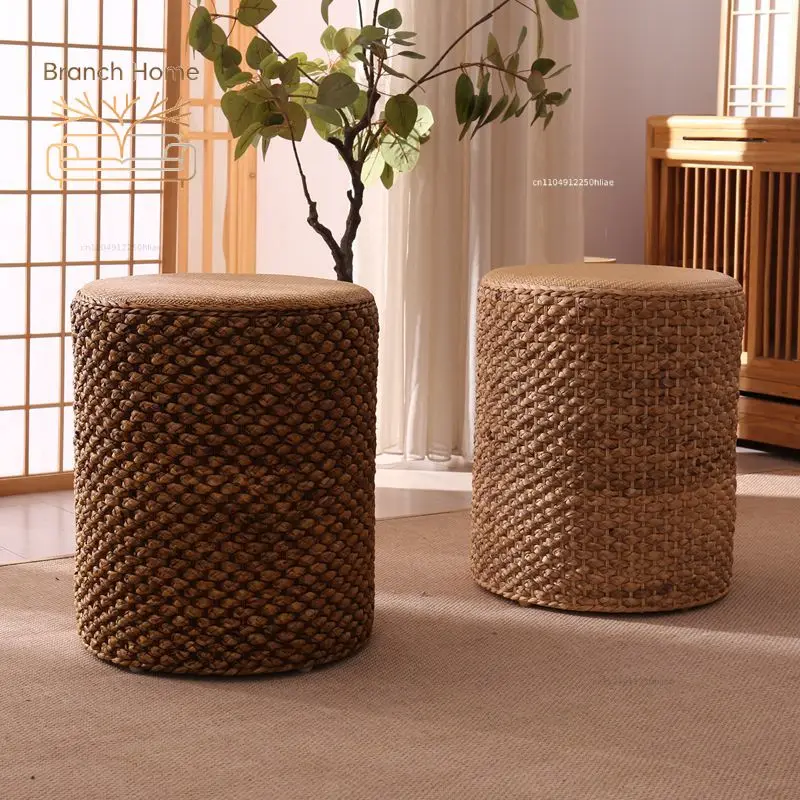

Lastly, it’s worth investigating the provenance of the item. McGuire furniture is often associated with a storied past, so documents, photographs, or receipts tracing ownership can offer solid evidence of authenticity. Engaging with expert dealers or appraisers who specialize in mid-century design can further validate your findings.
Recognizing McGuire Masterpieces
Focus on checking for distinctive construction techniques; these pieces often showcase a combination of rattan and hardwood. Look closely at the joinery–handcrafted connections are a clear indicator of authenticity.
Examine the surface finish. Genuine creations typically feature a natural look, showcasing the beauty of the materials rather than high-gloss lacquers. Signs of wear on the finish can enhance the character of a vintage piece.
Inspect the design lines and proportions; McGuire’s work often blends both organic curves and geometric forms, reflecting a commitment to form and function. Pay attention to the details–handwoven elements are a hallmark of their craftsmanship.
Search for labels or stamps. Authentic items often bear a brass or paper tag indicating provenance. They may include the original designer’s name or specific model information, which can be crucial for verification.
Absorb the quality of the upholstery. Original textiles reflect careful selection, often in muted colors or patterns that complement the overall aesthetic. If upholstery seems overly modern or mismatched, reconsider the authenticity.
Consult reputable resources or forums. Engaging with experts and fellow collectors can provide insights and confirmations on specific styles or pieces.
Recognizing Signature Features of McGuire Pieces
Examine the construction quality. Genuine pieces showcase exceptional craftsmanship, with meticulous joinery and attention to detail. Often, I find that the joinery techniques reflect both strength and artistry.
Materials Commonly Used
- Natural Elements: Look for rattan, bamboo, and wicker, as these materials are staples in many authentic designs.
- High-Quality Wood: Solid hardwoods like walnut and oak frequently feature in well-crafted items.
- Upholstery: This often embraces luxurious textiles, from soft leathers to rich weaves, indicating sophistication.
Design Characteristics
- Organic Shapes: Curvilinear forms resonate throughout the collection, mimicking natural silhouettes.
- Functionality: Each piece often demonstrates a keen sense of usability without compromising on aesthetic appeal.
- Distinctive Detailing: Expect to see unique accents, such as woven patterns or decorative metal touches that enhance visual interest.
Pay attention to the labels. Authentic artifacts usually include branded tags or stamps, often located discreetly underneath or on the side of a piece.
Lastly, consider the provenance. Gathering information about the item’s history or where it has been sourced can offer valuable insights into its authenticity.
Finding Manufacturer Labels and Identification Marks
First, I check the underside or back of the piece for any manufacturer labels or tags. McGuire’s labels are often stitched or adhered, commonly found near the corner joints of chairs or the underside of tables.
Common Label Characteristics
- Materials: Look for labels that mention the use of materials such as rattan, wicker, or specific hardwoods.
- Design Dates: Labels might include specific design or manufacturing dates that can help date the piece.
- Handwritten Details: Authentic pieces may have handwritten notes or signatures, indicating a bespoke quality.
Identification Marks to Observe
On some vintage items, I find brass or metal tags embossed with unique identifiers. These may provide additional information about the origin of the piece.
- Stamps: Inspect for embossed or ink stamps that could reveal the producer’s name or logo.
- Serial Numbers: Some furniture may bear serial numbers that link back to production records. Researching these numbers often yields specific details about the item.
Lastly, I consult reference guides or online databases dedicated to vintage design to cross-reference any labels or marks found. This research often solidifies the provenance of a piece and enhances its storytelling aspect.
Understanding the Materials Used in McGuire Furniture
Examine the components of these remarkable pieces. Premium rattan is a hallmark; it features intricately woven designs that enhance durability and aesthetics. The craftsmanship often includes solid hardwoods such as walnut or oak, meticulously selected for their grain patterns and strength.
| Material | Description | Common Uses |
|---|---|---|
| Rattan | Flexible, lightweight material; known for intricate weaving. | Chairs, tables, and decorative accents. |
| Teak | Highly durable wood; resistant to moisture and pests. | Outdoor pieces and high-end indoor furniture. |
| Walnut | Rich color and grain; often stained to enhance appearance. | Tabletops and structural components. |
| Leather | Luxurious material; provides comfort and elegance. | Upholstery for seating options. |
Be alert for the combination of these materials. The interplay of textures and colors signifies authenticity. The meticulous finishing techniques enhance both strength and appearance, so look for attention to detail in joints and seams.
Evaluate the weight of the item; genuine creations tend to be substantial due to quality materials. Recognize that a combination of wood and rattan is a classic trait, often adorned with brass or metal elements for accents. Care for these pieces generally involves simple cleaning to maintain their original beauty and integrity.
Exploring Vintage vs. Contemporary McGuire Designs
When examining the distinction between vintage and contemporary designs from this renowned brand, attention to detail reveals significant variations. Vintage items typically showcase intricate craftsmanship, often featuring natural materials like rattan, bamboo, and hardwood, paired with artisan techniques that emphasize handwork.
Contemporary pieces, however, lean towards minimalism and functionality. You might notice cleaner lines, more streamlined forms, and the incorporation of modern materials such as metals and synthetic fibers. Pay attention to the finishes as well; vintage designs may exhibit more wear and patina, contributing to their character, while new creations often have a pristine, polished aesthetic.
Easily recognizable features of older models include complex joinery and ornate embellishments, while newer works might prioritize sustainable practices and eco-friendly materials, reflecting current trends in the design industry.
Collectible vintage items usually display a subtle elegance and warmth that contemporary designs can sometimes lack. Look for signs of aging, as authentic vintage styles often carry a sense of history, juxtaposed against the more contemporary pieces that seek to capture modern tastes.
When in doubt, comparing specific pieces side by side can highlight these differences. Analyzing proportions, textures, and overall form will sharpen your eye for what constitutes each era’s unique contribution to the legacy of this distinguished brand.
Researching Provenance and History of Specific Items
To uncover the past of a particular piece, I examine its lineage by gathering documentation like purchase receipts, previous ownership records, and exhibition history. Online auction sites and antique dealers often provide useful information about past sales and market trends.
Connecting with collectors’ forums or social media groups dedicated to vintage designs can yield invaluable insights. Engaging in discussions with enthusiasts may reveal unique stories or specifics that aren’t widely known.
Visiting local libraries or historical societies can also offer access to archives containing past catalogs, promotional materials, or articles that highlight notable works and the brand’s evolution.
Researching past exhibitions at museums can help track the significance of certain items within design history. This often leads to a deeper understanding of the craftsmanship and styles representative of their era.
Documenting findings meticulously can aid in verifying authenticity and can also enhance the overall value during future transactions.
Consulting Expert Resources and Communities for Verification
Exploring expert resources can significantly enhance the verification process of a specific design. Joining forums and groups dedicated to vintage décor can provide valuable insights. Engaging with experienced collectors or enthusiasts allows for direct interactions, which often reveal unique characteristics and construction details that are not widely published.
Online communities on platforms like Reddit or specialized Facebook groups often share photos and experiences that help in distinguishing authentic designs from replicas. These platforms allow users to post images of their pieces to receive feedback from knowledgeable members who may recognize specific attributes or share similar experiences.
Books and catalogs focused on mid-century design offer a wealth of information, including high-resolution images of original pieces, construction methods, and historical context. Notable books often include interviews with designers or authors who have a deep understanding of the aesthetic nuances that define these creations.
Attending antique fairs and exhibitions can also prove beneficial. Here, one can meet dealers and experts who have a wealth of knowledge regarding vintage items. Personal interaction provides opportunities to ask detailed questions about provenance or craftsmanship, helping to solidify the authenticity of a piece.
Lastly, never underestimate the value of local appraisal services. Professionals can provide firsthand verification based on their expertise and familiarity with styles and trends of the time. A well-informed appraiser can validate claims made by sellers, ensuring a more confident purchase.
FAQ:
What are the key characteristics of McGuire furniture?
McGuire furniture is known for its unique craftsmanship, often incorporating natural materials such as bamboo, rattan, and wood. Key characteristics include the use of intricate hand-woven techniques, an emphasis on organic forms, and a blend of traditional and contemporary design elements. Additionally, many pieces feature a rustic yet refined aesthetic, often with a focus on durability and quality that reflects the brand’s commitment to artisanal techniques.
How can I tell if my furniture is an authentic McGuire piece?
To identify an authentic McGuire piece, look for specific markings, such as a stamped or engraved label on the underside of the furniture. Additionally, examine the construction quality; authentic McGuire furniture is typically built to last, showcasing meticulous attention to detail and high-quality materials. It’s also helpful to compare your piece with documented examples in catalogs or reputable websites, as this can provide clues about design elements unique to McGuire.
Is there any historical significance to McGuire furniture that affects its value?
Yes, McGuire furniture has significant historical value, particularly due to its origins in the mid-20th century and its association with the California design movement. The brand gained popularity for its innovative use of materials and craftsmanship, which resonated with mid-century modern aesthetics. As a result, vintage McGuire pieces are often sought after by collectors, and their historical significance can enhance their resale value. Documents or advertisements from the era can provide additional context regarding the piece’s significance.
Where can I buy McGuire furniture or find similar styles?
You can find McGuire furniture at various antique shops, high-end furniture galleries, and auctions that specialize in vintage pieces. Online marketplaces like 1stDibs, Chairish, and eBay often have listings for McGuire items. If you are interested in similar styles, consider looking for brands that focus on organic materials and craftsmanship, as well as contemporary designers who draw inspiration from the mid-century modern aesthetic.
What maintenance is required for McGuire furniture to keep it in good condition?
To maintain McGuire furniture and ensure its longevity, regular cleaning is essential. Use a soft, damp cloth to wipe down surfaces, and avoid harsh chemicals that can damage finishes. For rattan or woven elements, occasional dusting with a soft brush will help prevent dirt buildup. If the piece has a wood finish, applying a suitable wood conditioner every few months can help maintain its shine and protect against scratches. Be mindful of direct sunlight exposure, as it can cause fading over time, and avoid placing heavy items on delicate surfaces to prevent damage.


