Caleb Turner

Apply heat to the affected area using a hairdryer on a low setting. This technique softens the substance, making it easier to lift from the surface without causing damage. Maintain a safe distance to prevent overheating the wood.
Utilize a clean cotton cloth or paper towel to gently blot the softened residue. Avoid rubbing, as this can spread the material further. Instead, lift gently from the edges towards the center. Repeat the heating and blotting as needed until the surface is clear.

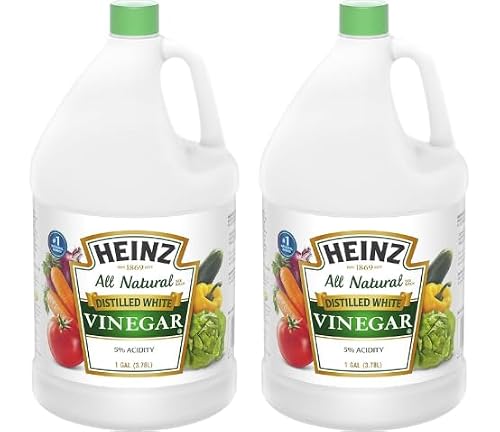
If traces remain, mix a solution of equal parts vinegar and water. Lightly dampen a cloth with this mixture and gently wipe the area to remove any lingering marks. Ensure to follow up with a dry cloth to absorb excess moisture and restore the finish.
Identify the Type of Wood Finish
To ascertain the coating on your surface, conduct a simple test. Use a few drops of water on an inconspicuous area. If it beads up, a varnish or polyurethane is likely present. If the liquid soaks in, it’s probably an oil-based or penetrating finish. In case of a milky appearance, a shellac or lacquer may be applied.
Visual Inspection
Examine the hue and texture closely. Glossy surfaces often indicate a polyurethane finish. If the surface feels warm or smooth to the touch, it might be finished with oil. On the other hand, a matte or satin texture suggests either wax or shellac.
Check for Durability
Assess the resilience. Place a small object with some weight on the surface for a short time. If a mark is left, the finish is likely weak, pointing towards an oil or wax. A strong, scratch-resistant finish usually signifies a harder, more durable application like polyurethane or varnish.
Knowing the exact finish type aids in selecting the proper techniques and products for effective cleaning and maintenance, ensuring the longevity of your piece.
Gather Necessary Tools and Materials
Prepare the following items:
- Soft cloths or paper towels
- Iron or hairdryer
- Brown paper bag or parchment paper
- Plastic scraper or credit card
- Wood polish or wax (for finishing touches)
Ensure that a gentle heat source is available; this helps in softening the residue for easier extraction. The cloths will absorb melted remnants, while the plastic scraper aids in lifting any excess without damaging the surface.
Using a brown paper bag or parchment prevents direct contact with heat, safeguarding the finish of the surface. After cleaning, a suitable polish or wax replenishes the original luster, enhancing the overall appearance.
Scrape off excess wax gently
Utilize a plastic scraper or an old credit card to delicately lift away any surplus residue. Applying too much pressure can damage the surface, so proceed slowly. Position the edge of the scraper at a slight angle and gently push under the wax, gradually loosening it from the underlying material.
Test the technique on a less visible area to ensure no harm occurs. Maintain a steady hand, and if any stubborn bits remain, don’t force them. Instead, focus on softening the wax using heat before attempting further removal.
Wipe the scraper after each pass to avoid redistributing the wax back onto the piece. This will help in achieving a cleaner finish without adding to the mess.
Apply Heat to Soften the Wax
Utilize a hairdryer on a low setting to gently warm the surface where the residue is located. Move the dryer in a circular motion to evenly distribute heat and avoid overheating any particular spot.
Alternatively, place a brown paper bag or a clean cloth over the hardened residue, then use an iron set to a low heat. The heat will melt the wax, allowing it to be absorbed by the paper or cloth. Be cautious to keep the iron moving to prevent damage to the underlying surface.
Monitor closely; as the wax begins to soften, it may puddle or become more pliable. Adjust the heat application, if necessary, for the best results without compromising the finish of the surface.
| Method | Steps | Tips |
|---|---|---|
| Hairdryer | 1. Turn on hairdryer. 2. Move in circular motion. 3. Check consistency. |
Keep a distance of at least 6 inches to avoid overheating. |
| Iron with Paper Bag | 1. Place bag/cloth over wax. 2. Use iron on low heat. 3. Move iron continuously. |
Always lift the iron after a few seconds to prevent burns. |
Wait for a moment after applying heat; then, using a soft cloth, gently wipe away any liquefied residue, ensuring to work carefully to avoid scratching the surface.
Use Blotting Technique with Paper Towels
Place a clean paper towel over the affected area to absorb the softened substance. Ensure there’s enough coverage to prevent any transfer to surrounding surfaces. Press down gently but firmly to allow the towel to soak up the melted remnants. Avoid rubbing, as this could push residues deeper into the grain.
Rotate the Towels
After the first towel is saturated, replace it with a fresh one. This helps maximize absorption and prevents smearing. Continue the blotting process until no further residue transfers to the paper towels.
Final Touches
Once blotting is complete, examine the surface. If any spots remain, repeat the procedure with a towel or apply a small amount of wood-safe cleaner to ensure thorough cleaning without damaging the finish.
Tackle Remaining Residue with Oils
To eliminate leftover marks from surfaces, applying oils can be highly beneficial. Olive oil or mineral oil works well for this purpose.
Steps for Using Oils
- Take a clean cloth and dampen it with the chosen oil.
- Gently rub the area with the oil-soaked cloth, focusing on any stubborn spots where residue remains.
- Allow the oil to sit for a few minutes. This enables it to penetrate and break down the remaining remnants.
- Wipe away the excess oil with a dry cloth, ensuring no greasy film is left behind.
For optimal results, consider these additional tips:
- Test any oil on an inconspicuous area first to ensure compatibility with the finish.
- Avoid using too much pressure while rubbing, as this can damage the surface.
- Incorporate a mixture of vinegar and oil for enhanced cleaning power, if necessary.
Regular maintenance with oils can also help protect the finish and keep the surface looking fresh.
Polish the Wood After Cleaning
After thoroughly addressing the sticky remnants, applying a suitable polish restores the sheen and protectiveness of the surface. Choose a product designed specifically for the type of finish present on the piece. A gentle, natural beeswax or a commercial wood polish can enhance the appearance while offering a layer of protection.
Using a soft, lint-free cloth ensures an even application. Dampen the cloth slightly with the polish and apply in a circular motion, covering all areas evenly. This technique not only distributes the polish but also helps in blending any variations in sheen or tone that might have developed during the cleaning process.
Allow the polish to absorb for a few minutes before buffing with a clean cloth. This final step enhances luster and reveals the true beauty of the wood grain while providing a barrier against future stains and damage.
Regular maintenance with the appropriate polish can significantly prolong the life and appearance of the surface. Establish a routine to keep the furniture looking its best, ensuring any new marks or stains can be managed promptly.
Avoid Future Wax Spills on Furniture
Select sturdy, protective coasters for candles. These not only catch drips but also provide heat resistance, reducing the chance of damage.
<p Position candles away from the edges of surfaces, minimizing spilling risks during lighting or extinguishing.
<p Choose containers for candles with wide bases to enhance stability. Narrow-based candles are prone to tipping over.
<p Implement a rule to keep candles lit only when present in the room. This prevents unattended drips that might go unnoticed.
<p Prepare areas where candles are placed by using tablecloths or decorative trays. These can be regularly cleaned and will protect the underlying surface.
<p Assess the type of wax before making a purchase. Some formulations are designed to be less likely to drip or spill.
<p Regular maintenance on furniture, such as applying a protective sealant, can assist in safeguarding against stains and damage.