
 Caleb Turner
Apply a mixture of baking soda and water to the stained areas. This paste effectively lifts stains and provides a gentle abrasive action for tougher spots. Gently rub the mixture with a soft cloth, ensuring not to damage the surface.
For persistent discolouration, consider a solution of vinegar and water in equal parts. Spray it on the affected areas, let it sit for a few minutes, then wipe clean with a damp cloth. This method not only cleans but also sanitizes.
If scratches have marred the finish of your light-hued items, a simple wax crayon in a matching shade can fill them in. Rub the crayon into the scratch, then buff the area with a soft cloth to blend it seamlessly.
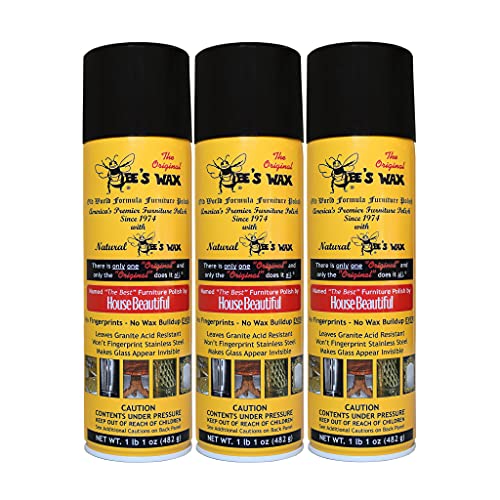


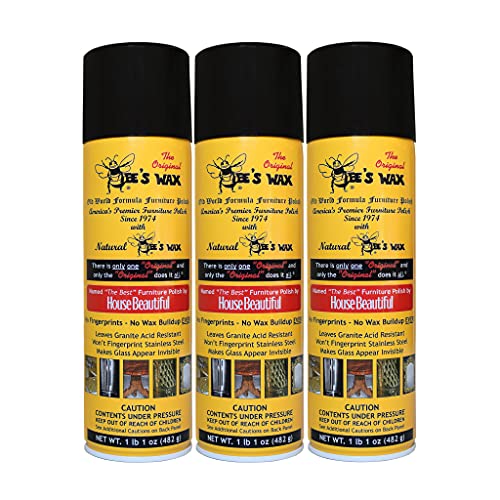
Regular maintenance is key; dusting weekly with a microfiber cloth helps prevent the buildup of grime, preserving the overall appearance of your pieces. Additionally, consider using a dedicated furniture polish designed for light finishes to maintain shine.
Restoring Light-Colored Pieces to Their Original Luster
I recommend using a mixture of baking soda and water to create a paste that effectively tackles stains and discoloration. Apply this paste to the affected areas, let it sit for about 15 minutes, and then scrub gently with a soft cloth or sponge. Rinse thoroughly with a damp cloth.
An alternative approach involves utilizing vinegar and water. Combine equal parts of both in a spray bottle and apply directly to the surface. Allow it to sit for a few minutes before wiping with a clean, dry cloth. This method helps eliminate odors and brightens the surface simultaneously.
<p-For more stubborn stains, a gentle bleach solution can be useful. Mix one part bleach to ten parts water, and use a sponge to dab the solution onto the stain. Ensure good ventilation while using bleach and rinse well after treatment to prevent residue.
<p-Consider applying a protective wax afterward to maintain a fresh appearance. This will help to repel future stains and make regular cleaning more manageable.
<p-Lastly, placing your light-colored items away from direct sunlight reduces the likelihood of fading, especially in brightly lit rooms.
Assessing the Condition of Your Light-Colored Items
Examine the surface for stains, discoloration, or scratches. Check all areas, including hidden corners where dirt may accumulate. Use a damp cloth to wipe down sections, making it easier to spot imperfections.
Types of Imperfections
| Type | Description |
|---|---|
| Stains | Visible marks that may require specific cleaning solutions based on their origin, such as food or ink. |
| Discoloration | Fading or yellowing that can occur over time due to sunlight exposure or chemical reactions. |
| Scratches | Minor surface damage that can sometimes be polished out or require sanding. |
Assessment Steps
1. Use a soft, damp cloth to clean the surface lightly. This will reveal how deep the stains or discoloration are.
2. Test a small, inconspicuous area with a cleaning solution to gauge its reaction. Choose the right product based on the material.
3. Document the condition by taking photos for reference. This helps to track improvements post-cleaning.
Choosing the Right Cleaning Products for Light-Colored Surfaces
Opt for products specifically designed for delicate finishes. Look for gentle detergents or solutions that contain non-abrasive ingredients. Avoid harsh chemicals that might damage or discolor surfaces.
Recommended Cleaning Solutions
- Castile soap: A natural soap that is effective yet mild, suitable for regular cleaning tasks.
- Baking soda: Mix with water to create a paste for tackling stubborn stains without scratching the surface.
- Vinegar: Diluted with water, it can be a great degreaser that also helps with odor removal.
- Oxygen bleach: Ideal for tough stains, it is safer than chlorine bleach and less likely to harm finishes.
Preparation and Usage
- Test any product on a small, inconspicuous area before full application.
- Follow the manufacturer’s instructions for dilution and application methods.
- Use a soft cloth or sponge to avoid scratching the surface while cleaning.
- Rinse thoroughly with clean water after using any cleaning solution to prevent residue buildup.
For touch-up stains, consider using specially formulated markers or crayons that match the color of your surfaces, offering a quick and easy fix without intensive cleaning.
Step-by-Step Guide to Cleaning Fabric Upholstery
Begin by vacuuming the fabric to remove dust and debris. Use an upholstery attachment to reach into crevices and seams.
Spot Cleaning Stains
For stains, blot the area with a clean, dry cloth. Avoid rubbing, as this can spread the stain. Prepare a mixture of mild detergent and warm water. Test this solution on a hidden area first. Apply it to the stain using a soft cloth, then blot until the stain lifts.
Deep Cleaning
Once spot treated, fill a spray bottle with a diluted fabric cleaner. Lightly mist the upholstery without saturating it. Gently scrub with a soft brush or cloth, concentrating on heavily soiled areas. Rinse your cloth frequently to avoid redistributing dirt. After cleaning, allow the fabric to air dry completely, ensuring proper ventilation.
Regular maintenance through vacuuming and immediate attention to spills will help the upholstery maintain its pristine appearance.
Removing Stains from Wooden Surfaces
For effective stain removal, start with a mixture of equal parts vinegar and olive oil. Apply it onto a soft cloth and gently rub the affected area in the direction of the wood grain.
Common Stains and Their Solutions
- Water Marks: Use a mixture of baking soda and water to create a paste. Apply it to the mark, let it sit for a few minutes, then wipe off with a damp cloth.
- Grease Stains: Sprinkle cornstarch on the stain to absorb the grease. Leave it for several hours or overnight, then brush off the excess.
- Ink Stains: Dab a cotton ball in rubbing alcohol and lightly press it onto the stain. Blot until the ink lifts, then clean the area with a damp cloth.
- Food Stains: Make a paste using baking soda and water, apply it to the stained area, and gently rub. Rinse with a cloth dampened with clean water.
Additional Tips
- Always test any cleaning solution on an inconspicuous area to prevent damage.
- Use microfiber cloths to avoid scratching the surface.
- After cleaning, apply a suitable wood polish to restore shine and provide a protective layer.
Restoring Shine to White Painted Furniture
I recommend using a mixture of vinegar and olive oil for a natural approach to reviving the luster of painted surfaces. Combine one part vinegar with two parts olive oil in a spray bottle, shake well, and apply it to a microfiber cloth. Wipe the surface in a circular motion to lift off grime while imparting a subtle sheen.
If the shine isn’t pronounced enough, consider applying a specialized furniture polish or cream designed for painted surfaces. These products often contain waxes that not only clean but also enhance gloss. Apply a small amount to a clean cloth, rub it into the surface, and then buff with a dry cloth for optimal results.
Regular maintenance can also help keep surfaces looking vibrant. Dust often with a soft, dry cloth to prevent buildup. For deeper cleaning, use a gentle soap solution–mix mild dish soap with warm water, dampen a cloth, and wipe the surface before rinsing with a clean damp cloth and drying thoroughly.
For persistent dullness, a fine-grade sandpaper can be used carefully on badly scuffed areas followed by a fresh coat of paint or a clear coat finish to restore the shine. Always test in an inconspicuous area first to ensure the original finish is not damaged.
Using Natural Remedies for Whitening Different Materials
For refreshing fabrics like cotton and linen, a mixture of baking soda and water works wonders. Create a paste with equal parts baking soda and water, apply it to the fabric, and let it sit for about 30 minutes before rinsing thoroughly. This method lifts stains and brightens the material effectively.
When tackling wood surfaces, lemon juice combined with olive oil serves as an excellent natural cleaner. Mix 3 parts olive oil with 1 part lemon juice, apply it to the surface using a soft cloth, and wipe off the excess. This not only cleans but also nourishes the wood, restoring its natural luster.
Handling Synthetic Materials
For synthetic upholstery, I recommend utilizing a solution of white vinegar and water. Combine equal parts of each in a spray bottle and lightly mist the surface. Allow the solution to sit for a few minutes, then wipe with a clean cloth. This technique removes odors and brightens colors without harsh chemicals.
Cleaning Plastic Surfaces
Baking soda can also be used on plastic items. Mix it with water to form a paste and apply it to any stained areas. Let it sit for about 10 minutes before scrubbing with a soft sponge. This approach restores vibrancy and removes stubborn grime effectively.
These natural alternatives not only clean various materials but also ensure safety for the environment and home. Implementing these remedies enhances the appearance and longevity of items.
Preventive Measures to Keep Your Furnishings Bright
I regularly follow specific precautions to maintain the pristine condition of my light-colored pieces. Here are the strategies I employ:
- Regular Dusting: I use a microfiber cloth to eliminate dust and prevent it from settling, which can dull the surface.
- Protective Covers: Investing in slipcovers or throws is a practical approach, especially in high-traffic areas or homes with pets and children. These can be removed and washed with ease.
- Avoid Direct Sunlight: I position my lighter items away from direct sunlight to prevent fading. Applying window treatments can help block UV rays.
- Immediate Spill Response: I always address spills promptly, blotting the area instead of rubbing, which could cause staining.
Taking these precautions consistently allows me to enjoy the beauty of my lighter pieces without the constant worry of discoloration.
- Routine Cleaning: I establish a cleaning schedule, using appropriate products to maintain their vibrancy.
- Avoid Harsh Chemicals: I steer clear of abrasive cleaners that might cause damage, opting instead for gentle solutions.
- Keeping Away from Stains: I ensure that food and beverages are kept at a distance during gatherings to minimize accidental spills.
- Seasonal Maintenance: Seasonal deep cleaning helps in sustaining their appearance and prolonging their lifespan.
By implementing these strategies, I ensure my lighter items remain as striking as the day I brought them home.
When to Seek Professional Help for Furniture Restoration
When I notice extensive damage or stubborn stains on my items, I consult an expert. A professional can assess complicated issues more effectively than I can manage on my own. Factors that lead me to seek assistance include:
| Condition | Action |
|---|---|
| Severe Stains | Consider expert stain removal techniques. |
| Physical Damage | Seek restoration services for cracks or chips. |
| Antique Pieces | Look for specialists in antique restoration. |
| Upholstery Issues | Look for reupholstering services for problematic fabric. |
| Incorrect Repairs | Get second opinions on previous attempts at restoration. |
If the restoration project requires special tools, chemicals, or expertise beyond my knowledge, I reach out for professional help. It ensures that the integrity of my valued pieces remains intact without risking further damage. When I feel overwhelmed or unsure about the process, I prioritize expert assistance to maintain the quality of what I own.
Cost Considerations
Budget plays a significant role in my decision. I evaluate the cost of professional services compared to potential DIY damages or additional repairs. Sometimes, investing in a pro is more economical in the long run.
Importance of Expertise
Professionals bring specialized skills and experience. Their knowledge of different materials and restoration techniques often makes them the best option for ensuring a successful outcome. My goal is to preserve the appearance and functionality of my cherished possessions, which often leads me to seek their guidance.


