
 Caleb Turner
I recommend using rubbing alcohol to tackle stubborn marks from cosmetic products on your surfaces. Dampen a clean cloth with the alcohol and gently blot the stained area. Make sure not to rub, as this could spread the color instead of lifting it.
After treating the stain, let it sit for a few minutes to break down the residue. Then, take a fresh cloth and use warm soapy water to clean the area further, which will help remove any residual chemicals. Always test the cleaning solution on a hidden spot first to ensure no damage occurs to the fabric.
If the color remains, a mixture of dish soap and vinegar can be highly effective. Combine equal parts of both in a bowl, apply with a soft cloth, and work from the outside of the stain inward. This technique minimizes the risk of spreading the mark.
Removing Cosmetic Stains from Upholstery
I recommend using rubbing alcohol as an initial method. Dampen a clean cloth with the alcohol and gently blot the stained area. Avoid rubbing, as this can spread the residue.
If the stain persists, mix a bit of dish soap with warm water. Use a soft cloth to apply the soapy solution to the stain, ensuring it penetrates the fabric without soaking it. Blot with a clean, wet cloth to remove soap and residue.


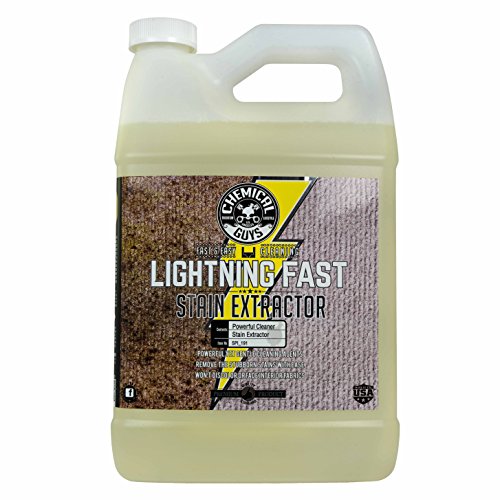
For tougher marks, consider a commercial stain remover formulated for upholstery. Follow the manufacturer’s instructions for safe application. Always test any cleaner on a discreet area first to prevent discoloration.
After treating the stain, let the area air dry. Many times, the stain will become less visible as it dries. If needed, lightly brush the fabric to restore its texture.
- Avoid harsh chemicals that can damage the material.
- Work in a well-ventilated area to avoid fumes from cleaners.
- Consider consulting a professional cleaner for delicate fabrics.
Identify the Type of Furniture Material
Determining the material of the piece in question provides clarity on what methods are suitable for stain removal. Wood, fabric, leather, and metal each require different approaches.
Wood
If your item is wooden, check for a protective finish. A clear coat allows for the use of mild solvents, while unfinished surfaces can be more susceptible to damage. Apply a small amount of dish soap mixed with water using a soft cloth to avoid scratches.
Fabric
For upholstered pieces, first consult the care label. Many fabrics can tolerate gentle soap solutions or commercial upholstery cleaners. Test any solution on an inconspicuous area to prevent discoloration.
Leather surfaces respond best to specific leather cleaners; alcohol or harsh chemicals may compromise the finish. A mixture of vinegar and water can safely lift stains without harming the material.
Metal surfaces are typically resilient. Gentle soap and warm water work effectively. For tougher stains, rubbing alcohol or nail polish remover may be viable options, but be cautious around finishes.
Assessing your material enables more tailored and efficient cleaning techniques, preserving the integrity of each surface.
Gather Necessary Cleaning Supplies
To effectively tackle the removal of stains from upholstery or other surfaces, I make sure to collect specific items before starting the cleaning process. Here’s my go-to list:
- Soft cloths or paper towels for blotting and wiping.
- Rubbing alcohol or an alcohol-based cleaner, which works well on various materials.
- Dish soap mixed with water for a gentle cleaning solution.
- White vinegar, useful for cutting through stubborn marks.
- Baby wipes, which can be surprisingly effective on most surfaces.
- Stain remover spray designed for fabric or upholstery.
With these supplies on hand, I feel ready to address any unwanted marks and maintain the integrity of my furniture.
Test a Hidden Area for Colorfastness
I recommend finding an inconspicuous spot on the material before applying any cleaning solution. Pick a section that’s not easily visible, such as the back edge or beneath a cushion. Moisten a soft cloth with your chosen remover and dab it gently on this area. Wait a few minutes to observe any changes in color or texture.
If the material remains unchanged, it should be safe to proceed. However, if you notice any discoloration or damage, halt the cleaning process immediately. This precaution protects the integrity of the piece and helps avoid further complications.
Apply the Right Cleaning Solution
Selecting an effective cleaning solution is critical for removing unwanted stains. Opt for a product that matches the type of stain and the material of the surface you are treating. Some common effective options include:
Recommended Cleaning Agents
| Cleaning Solution | Recommended For |
|---|---|
| Rubbing Alcohol | Fabric and Upholstery |
| Dish Soap and Water | Wood and Laminate |
| Commercial Stain Remover | Leather |
| White Vinegar | Fabric and Textile |
For fabric surfaces, I found that rubbing alcohol works remarkably well. Just dab a small amount on a clean cloth and gently blot the area. For wood and laminate, mixing dish soap with water proved useful. Avoid saturating the surface to prevent damage. In case of leather, a specialized commercial stain remover ensures the material remains unharmed.
When using any solution, ensure to apply it carefully. Gently blot rather than scrub to avoid spreading the stain or damaging the surface. Always follow the manufacturer’s instructions on any commercial products for optimal results.
Use Proper Techniques for Stain Removal
Begin the cleaning process by using a soft cotton cloth or paper towel to gently blot the stain. Rubbing can push the residue deeper into the fabric or surface, making removal more challenging. Maintain a light touch to avoid damaging the material.
Utilize Appropriate Cleaning Solutions
Depending on the furniture material, choose a suitable cleaning solution. For leather, a mixture of mild soap and water can be effective, while fabric may benefit from a dedicated upholstery cleaner. Always refer to specific product guidelines to prevent any adverse reactions.
Use Mechanical Action Wisely
If the stain persists, consider using a plastic spoon or a dull knife to carefully lift the residue without scratching the surface. This method can help dislodge particles stuck in textures or weaves. Be cautious and work slowly, ensuring the integrity of your furniture remains intact.
Rinse and Dry the Affected Area
After treating the stain, rinse the area thoroughly with clean, lukewarm water. Using a clean cloth or sponge, apply the water gently to avoid spreading the residue. Ensure that you do not soak the material excessively, as this may cause further damage. Always work from the outside of the stain toward the center to minimize the potential for expanding the discoloration.
Drying Process
Once rinsed, take a dry towel or cloth and blot the area to absorb any excess moisture. Avoid rubbing, as this can lift fibers or exacerbate the mark. If possible, allow the area to air dry completely. If the fabric permits, placing a fan nearby can help speed up the drying process while maintaining the integrity of the material.
For surfaces like wood, ensure a gentle touch to prevent any warping. Regular monitoring is ideal to check for any remaining traces. If needed, repeat the rinsing and drying steps until the area appears clean and restored.
Prevent Future Lipstick Stains on Furniture
I recommend storing cosmetic products in a dedicated makeup bag with secure closures. This keeps potential spills contained and prevents accidental marks. For easy access, place the bag in a designated area away from surfaces prone to stains.
Choosing non-transfer lip products can significantly reduce the risk of messes. These items are formulated to stay in place and minimize the likelihood of smudging. Look for labels that specifically mention transfer-resistance.
Consider using coasters or tray organizers for items like drinks or cosmetics. This extra layer acts as a barrier between products and surfaces, offering better protection against unwanted marks.
Regularly applying protective coatings to your furniture can also prove beneficial. Products designed for various materials create a shield, making it easier to wipe away any accidental stains should they occur.
Finally, maintaining a consistent cleaning routine can help. By addressing dirt and imperfections promptly, surfaces are less likely to absorb staining agents, allowing for easier care and upkeep.
FAQ:
What are some common methods to remove lipstick stains from furniture?
There are several effective methods to tackle lipstick stains on furniture. One approach is to use rubbing alcohol on a cotton ball, gently blotting the stain until it lifts. Another option is to make a mixture of dish soap and warm water, applying it with a soft cloth. For fabric upholstery, using a commercial stain remover designed for oils may also help. It’s crucial to test any cleaner on an inconspicuous area first to prevent damage to the finish or fabric.
Can vinegar help in cleaning lipstick off furniture?
Yes, vinegar can be used as a cleaning agent to remove lipstick stains. You can mix equal parts of white vinegar and water and apply it to the stained area with a cloth. Blot the area gently instead of rubbing, as this can push the stain deeper. After treating the stain, wipe the area with a clean, damp cloth to remove any vinegar residue.
Is it safe to use nail polish remover on furniture to get rid of lipstick stains?
Nail polish remover can be effective for removing lipstick, but caution is necessary. Most nail polish removers contain acetone, which can damage certain finishes and fabrics. If you’re considering this method, test the remover on a hidden part of the furniture first. If there are no adverse effects, apply it sparingly on the stain, using a cotton swab or cloth, and avoid scrubbing to minimize damage.
What should I do if the lipstick stain won’t come out after multiple attempts?
If the stain persists despite multiple cleaning attempts, don’t panic. You might consider consulting a professional upholstery cleaner, particularly for valuable or delicate furniture. Sometimes, deep stains require specialized treatment that household methods cannot achieve. Additionally, ensure that all cleaning products used are suitable for the material of your furniture to avoid further damage.
Can I prevent lipstick stains on my furniture in the first place?
Preventing lipstick stains involves a few simple precautions. Always apply lipstick in well-lit areas and avoid leaning against furniture after application. Using a protective spray designed for furniture can also create a barrier against stains. If you know your furniture is prone to stains, consider using coasters or soft throws to protect surfaces when applying makeup nearby.
What are the best methods to remove lipstick stains from furniture?
There are several effective methods to remove lipstick stains from furniture, depending on the material of the furniture. For fabric upholstery, you can use a mixture of dish soap and water. Dab the solution onto the stain with a clean cloth, and gently blot until the lipstick is lifted. For leather furniture, a simple solution of rubbing alcohol on a cotton ball can help. Be sure to test any cleaner on a hidden area first to ensure it doesn’t damage the surface. For wood furniture, a mixture of vinegar and olive oil can be used to gently buff out the stain.
Is there a quick home remedy for cleaning lipstick off my couch?
Yes, a quick home remedy involves using an old toothbrush and some baby wipes or makeup remover wipes. Gently brush the lipstick stain with the toothbrush to lift off excess lipstick, then use a wipe to remove the stain. Always remember to test any product you use on a discreet area of the couch first to ensure it doesn’t cause any discoloration or damage. If the stain persists, you can try a mixture of water and dish soap, applying it with a soft cloth.


