
 Caleb Turner

I recommend using a solution of vinegar and water to tackle the persistent green growth on your patio pieces. Mix equal parts of distilled white vinegar and water in a spray bottle, then spray it generously onto the affected areas.
After allowing the mixture to work for about 15-20 minutes, use a stiff-bristled brush to scrub the surface. This method not only breaks down the unwanted growth but is also environmentally friendly. Make sure to rinse thoroughly with a hose afterward to wash away any residue.
If the stain remains stubborn, consider applying a commercial cleaner specifically designed for outdoor materials. Always test any cleaner on a small, inconspicuous area first to ensure it won’t damage the surface.
Regular maintenance is key. I suggest cleaning your patio items every few weeks, especially during wetter months. This proactive approach will help prevent the buildup from returning and keep your outdoor space pleasant and inviting.
Identifying Different Types of Algae on Furniture
Recognize the presence of green, brown, and red colonies when examining surfaces exposed to moisture. Each type presents unique characteristics and requires specific response methods.


- Green: This type often resembles a slimy coating and may be found in shaded areas or locations with high humidity. It frequently indicates an excess of moisture.
- Brown: Appearing as a dusty film, brown colonies are typically associated with dead organic material. This can be common on surfaces that collect debris.
- Red: Often seen as deep red or orange spots, this type tends to develop in warm, moist conditions. It can create a more difficult cleaning challenge due to its persistence.
Inspect these colors carefully, as your approach to maintenance may vary significantly between them. For example, green growth may require a more aggressive cleaning solution than brown residue.
Note any texture differences; for instance, green may feel slippery while the brown variant is powdery. Use this tactile information to tailor your cleaning strategy effectively.
Observing the surrounding environment is also crucial. If plant life or water features are nearby, the likelihood of certain types increases. This knowledge can inform preventive measures to minimize recurrence.
Choosing the Right Cleaning Solution for Algae Removal
For successful removal of slimy growth from surfaces, I opt for chlorine bleach or vinegar-based solutions. Bleach, when diluted, effectively breaks down stubborn deposits. A mixture of one part bleach to three parts water can yield excellent results.
If I prefer a more natural method, I mix equal parts of vinegar and water. This not only combats the green residue but is also less harmful to the environment.
A commercial cleaner designed specifically for mold and mildew also comes in handy. They usually contain mild acids that target unwanted growth without damaging the material.
Before applying any solution, testing it on a small, inconspicuous area is a good practice to ensure compatibility with the surface. After treatment, rinsing the area thoroughly with water is essential to remove any residue and prevent further damage.
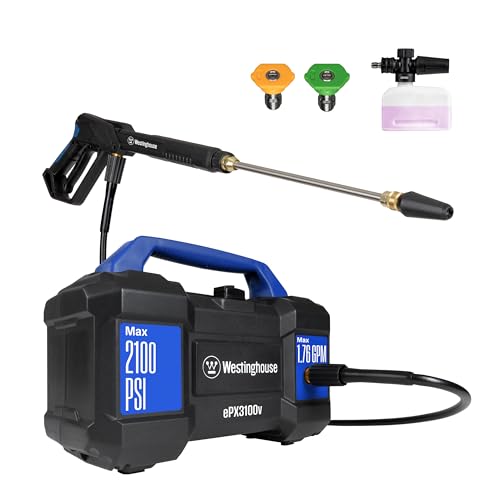
Accessing pressure washers can be beneficial for large areas. Combined with the chosen cleaning solution, they can effectively blast away the remnants with ease.
Lastly, I always prioritize safety measures by wearing gloves and a mask when dealing with chemicals, ensuring the process remains safe while I tackle the unwanted growth.
Gathering Necessary Tools for the Cleaning Process
Before tackling the removal of plant growth from surfaces, I prepare a toolkit to ensure efficiency. These are the key items I find indispensable:
Scrubbing Brushes
A sturdy scrubbing brush with stiff bristles helps to effectively dislodge unwanted growth. I prefer a brush with a long handle for better reach, especially for larger items.
Cleaning Solutions
Equipping myself with a variety of cleaning agents is crucial. I opt for a mixture of water and vinegar or a mild detergent to avoid damaging the surface while ensuring thorough cleaning. A spray bottle makes application straightforward.
Additionally, I keep a bucket handy for mixing solutions or rinsing tools during the process. A garden hose attached to a spray nozzle aids in rinsing surfaces after scrubbing, ensuring residues are washed away.
For delicate materials, I select non-abrasive sponges to prevent scratches while still being effective. Protective gloves shield my hands from harsh chemicals and dirt during the task.
Lastly, a power washer can be an excellent addition if the growth is extensive, providing more power for tougher stains. With these tools gathered, I am ready to maintain the appearance of my outdoor items efficiently.
Step-by-Step Guide to Scrubbing Off Algae
Prepare the area by clearing any surrounding items. Lay down a drop cloth to capture debris and protect nearby surfaces.
1. Pre-soak the Surface: Spray the affected area with a mixture of water and a suitable cleaning solution. Allow it to sit for 10-15 minutes to loosen the stubborn growth.
2. Select the Right Brush: Choose a stiff-bristle brush, ideally one that can handle the material of your item without causing damage. A brush with an ergonomic handle will aid in comfort during scrubbing.
3. Scrubbing Technique: Begin scrubbing in a circular motion, ensuring you focus on any particularly stubborn spots. Use moderate pressure; excessive force can harm the surface.
4. Rinse Thoroughly: After scrubbing, rinse the area with a garden hose or a bucket of clean water, ensuring all residues are removed. Residual cleaning agents can cause damage over time.
5. Repeat if Necessary: For lingering stains, repeat the application of the cleaning solution and scrub again. Persistent growth may require additional applications of both cleaning solution and scrubbing.
6. Drying Process: Allow the surface to air dry completely. Ensure that no moisture remains, as it could encourage future growth.
7. Preventive Measures: Once clean, consider applying a protective sealant or coating to make future cleanups easier and prevent reoccurrence.
| Step | Action |
|---|---|
| 1 | Pre-soak the area |
| 2 | Select the right brush |
| 3 | Scrub in circular motion |
| 4 | Rinse thoroughly |
| 5 | Repeat if necessary |
| 6 | Allow drying |
| 7 | Apply protective measure |
Using Pressure Washers Safely on Outdoor Furniture
Ensure the pressure washer is set to a low pressure, ideally between 1300 and 1600 PSI. This setting helps prevent damage to delicate surfaces like wood or plastic. Always keep the nozzle at least 12 inches away from the surface being cleaned.
Protective Gear and Precautions
Wearing safety goggles and non-slip footwear is essential to protect against flying debris and potential slips. Additionally, use gloves to maintain grip and shield your hands from any cleaning solutions that might splatter.
Monitoring Weather Conditions
Avoid using the pressure washer in windy or wet conditions. Damp surfaces can be slippery, increasing the risk of accidents. Operating in direct sunlight can also cause cleaning solutions to dry too quickly, leading to streaks or residue.
| Safety Measure | Description |
|---|---|
| Pressure Settings | Set between 1300 and 1600 PSI |
| Distance from Surface | Maintain 12 inches minimum |
| Protective Gear | Safety goggles, gloves, non-slip shoes |
| Weather Check | Avoid windy or wet conditions |
Follow these guidelines to minimize risk and maximize efficiency while using a pressure washer on your exterior pieces.
Preventing Growth with Regular Maintenance
Incorporating a consistent cleaning routine prevents unwanted growth on your patio set. I schedule cleanings monthly to deter accumulation. I focus on areas prone to moisture, such as shaded spots after rain, where moisture lingers longer.
Inspect and Clean Thoroughly
Before starting, I inspect surfaces for traces of moisture retention. Afterward, I wash surfaces with a mild soap solution to eliminate any lingering filth that attracts unwanted growth. A simple blend of water and mild detergent, followed by thorough rinsing, often suffices.
Utilizing Protective Coatings
Applying a protective sealant can minimize moisture absorption. I select a sealant suitable for the materials in my patio set. This barrier prevents moisture infiltration, lessening the risk of future infestations. Regularly renewing this sealant is part of my maintenance schedule.
Storing Outdoor Furniture to Avoid Algae Buildup
Choosing a dry, shaded location for storage minimizes moisture exposure, hindering the growth of unwanted organisms. If weather permits, consider using a protective cover to shield surfaces from rain and humidity.
Use of Proper Storage Solutions
Designating a garage, shed, or indoor space provides a controlled environment. If indoor storage isn’t an option, utilize a waterproof tarp to cover items outside. Ensure the cover allows for airflow to prevent condensation.
Regular Inspection and Maintenance
Conduct routine checks, especially after storms or heavy rain. Wipe down surfaces with a dry cloth to remove moisture buildup. Spot cleaning immediately can prevent larger issues later. If outdoor conditions are unavoidable, consider elevating furniture off the ground to facilitate drainage and airflow.
When to Call a Professional for Algae Removal
Consider professional assistance if the contamination is extensive, covering a large area or deeply embedded in the material. A significant growth requires specialized treatments and equipment that most homeowners lack.
Also evaluate the following situations:
- Type of Material: Certain materials, like wicker or untreated wood, may be damaged by DIY cleaning approaches. Experts can determine the best method to clean and preserve these surfaces.
- Health Concerns: If anyone in your household has respiratory issues or allergies, it might be safer to let professionals handle the situation to minimize exposure to spores and allergens.
- Time Constraints: If the task feels overwhelming and time-consuming, hiring a team can save you effort and allow you to focus on other priorities.
- Persistent Growth: If previous methods have failed to eliminate the issue, a professional can provide advanced solutions and preventive measures to keep it from returning.
Researching Local Experts
Once you’ve decided to hire help, ensure you research local services focusing on exterior cleaning. Look for reviews, ask for references, and inquire about their procedures and products to ensure they align with your needs.
Certain Situations Demand Expertise
In cases of specialized finishes or historical pieces, experienced personnel can help maintain the integrity of the materials while effectively tackling the problem. Professionals possess the right tools and knowledge to ensure thorough cleaning without causing further damage.


