Caleb Turner

If you’re considering a space that merges residence and workspace, it’s essential to explore the unique features and benefits this setup offers. These environments typically provide an adaptable layout, combining elements of both domestic comfort and professional functionality, which can significantly enhance productivity and creativity.
In such locations, residents often enjoy open floor plans that encourage flexibility. This design allows for easy transitions between relaxation areas and dedicated work zones, fostering a seamless flow that can cater to various activities. It’s common to see well-defined zones, with areas designated for meetings, brainstorming, or simply unwinding after a long day.
For anyone contemplating this lifestyle, understanding local zoning laws and regulations can be crucial, as some jurisdictions impose restrictions on using residential properties for commercial purposes. Engaging with local business resources or real estate experts will help clarify what is permissible in your area and optimize your investment.
Understanding the Live-Work Concept
This type of space serves as a dual-purpose environment, bridging the gap between accommodation and creative space. I often observe that individuals appreciate the seamless integration of their professional and personal lives. By residing and creating in the same location, they experience significant convenience, which positively impacts productivity.
Employing an open floor plan is common in these environments, providing flexibility for various uses. Rooms can transform from lounge areas to studios or offices based on immediate needs. This versatility encourages innovative arrangements, allowing residents to adapt their setup effortlessly.
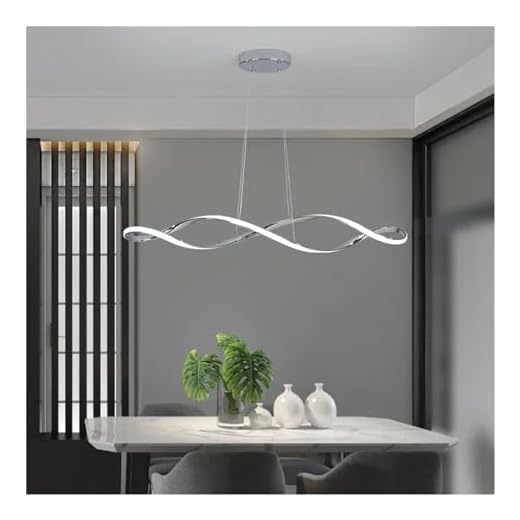


Moreover, the design typically emphasizes natural light and spaciousness, which fosters a pleasant atmosphere. High ceilings and large windows not only enhance aesthetics but also contribute to a sense of freedom and creativity. In many cases, residents personalize their spaces to reflect individual styles, making each unit unique.
Community interaction also plays a key role. Many choose to inhabit these types of spaces to be part of a network of like-minded individuals, sharing ideas and collaborating on projects. Local cafes and shops nearby enhance the liveliness of the area, creating a stimulating environment that further supports creativity.
In terms of zoning regulations, it’s essential to check local laws since these spaces often exist in areas blending residential and commercial usages. Understanding policies can inform decisions on whether such an environment meets one’s requirements.
Defining Live Work Loft Spaces
In urban settings, these environments combine residential and professional areas, effectively merging life and productivity. They typically feature open floor plans, high ceilings, and large windows, creating a spacious atmosphere that encourages creativity. Relying on industrial design elements such as exposed brick and metal fixtures enhances their appeal while maintaining functionality.
Key Features
These spaces are characterized by flexibility, allowing for easy reconfiguration to suit different needs. Customization options are common, enabling occupants to design their surroundings according to personal preferences. Amenities often include a dedicated workspace, which can cater to various professions from artists to entrepreneurs, ensuring an efficient workflow combined with comfortable living.
Benefits
Living in such an arrangement promotes an integrated lifestyle, where daily tasks can seamlessly blend with personal time. Proximity to local resources, networking opportunities, and vibrant community interactions facilitate collaboration and inspiration among residents. This unique setup can enhance one’s quality of life while also being economically advantageous in urban centers where space is at a premium.
Benefits of Living in a Combined Space
Space utilization maximizes efficiency, allowing personal and professional endeavors to coexist within proximity. I appreciate the convenience of having my workspace steps away from my home, reducing commute time and enhancing productivity.
Financial savings are significant. Combining residence and office reduces overhead costs associated with separate locations, including rent, utilities, and transportation. This arrangement also enables me to invest more in personal projects or experiences.
The creative environment fosters innovation. Having a dedicated area for brainstorming and crafting amidst everyday comforts inspires ideas and initiatives that might not arise in a traditional setting.
Community engagement grows. Residing in these unique environments often means being part of a diverse group of individuals with shared interests. Networking is organic, leading to collaborations and support that enrich both personal and professional goals.
Flexibility in lifestyle enhances satisfaction. I enjoy the ability to adjust my space according to my needs–whether transforming a corner into a meeting area or relaxing without leaving my home. This adaptability promotes a balanced lifestyle.
Access to urban amenities is a notable perk. These settings are often situated in vibrant neighborhoods, allowing easy access to restaurants, galleries, parks, and other attractions. This exposure broadens my experiences and enriches daily life.
Ideal Locations for Live Work Lofts
Choosing the right environment significantly impacts lifestyle and professional efficiency. Here are prime areas that excel in this aspect:
- Urban Centers: Cities like New York, San Francisco, and Chicago offer dynamic atmospheres, accessibility to clients, and a plethora of networking opportunities.
- Artistic Districts: Neighborhoods dedicated to creativity, such as Williamsburg in Brooklyn or the Arts District in Los Angeles, provide inspiration and community among fellow artists and entrepreneurs.
- Tech Hubs: Areas like Silicon Valley or Austin, known for innovation, attract like-minded individuals and stimulate collaboration.
- Suburban Areas with Zoning Flexibility: Locations that permit mixed-use properties can cater to those seeking quieter surroundings while remaining connected to urban conveniences.
Each of these settings provides unique advantages, influencing both personal and professional growth. Selecting a suitable location maximizes the benefits of this integrated lifestyle.
Design Considerations for Live Work Lofts
Prioritize open floor plans. Spaciousness enhances flexibility, allowing for various layouts that can adapt to personal or professional needs.
Incorporate ample natural light. Large windows are not just aesthetically pleasing but also beneficial for productivity and well-being.
Use multifunctional furniture. Opt for pieces that serve multiple purposes, such as convertible sofas or foldable desks, to maximize space efficiency.
Implement soundproofing solutions. Acoustic panels and well-placed rugs help minimize noise, creating a conducive environment for working and relaxing.
- Consider dedicated zones. Designate areas for relaxation, work, and storage to maintain balance and organization.
- Incorporate storage creatively. Use vertical space with shelves and cabinets that blend with the aesthetic.
Choose durable materials. Hard-wearing surfaces reduce maintenance needs and withstand the demands of both living and working.
Plan for technology integration. Ensure adequate electrical outlets and connectivity options to support necessary devices and equipment.
Balance aesthetics with functionality. Select a color palette that inspires creativity while remaining calming, allowing for optimal focus.
- Consider privacy screens when necessary.
- Invest in quality lighting solutions that enhance both work and relaxation zones.
Evaluate local regulations regarding mixed-use spaces. Compliance with zoning laws is crucial for long-term viability.
Legal and Zoning Aspects of Live Work Lofts
To ensure compliance and eliminate potential issues, research local regulations surrounding combined residential and commercial spaces. Variances and specific zoning classifications may dictate permissible activities, occupancy limits, and modifications for these units.
Engage with local authorities or zoning boards early in the process. Obtain a detailed understanding of the regulations for your specific location. Some areas might impose restrictions on operational hours or types of business activities permissible within these environments.
| Aspect | Details |
|---|---|
| Zoning Regulations | Check if the property falls under mixed-use zoning, allowing both residential and commercial use. |
| Building Codes | Review existing building codes for safety standards, accessibility, and structural changes. |
| Permits | Identify necessary permits for renovations, signage, and business operations. |
| Homeowners Associations (HOAs) | Understand any HOA rules that may affect business operations or modifications. |
| Property Taxes | Be aware of tax implications related to property classification as commercial or residential. |
Consult with legal professionals specializing in real estate. Their insights can guide compliance and clarify complex regulations. Safeguard your investment by confirming that your intended use aligns with local policies, ensuring a harmonious blend of personal and professional environments.
Choosing the Right Live Work Loft for Your Needs
Prioritize your specific requirements before selecting a combined space. Consider factors like square footage, layout, and ceiling height that cater to your professional and personal lifestyle. If you require a dedicated workspace, an open-plan design might prove beneficial, ensuring clarity in separating tasks while maximizing functionality.
Evaluate Your Location Preferences
Identify neighborhoods that align with your lifestyle and business needs. Proximity to clients, public transport, and amenities creates convenience. Urban areas often provide better access to networking opportunities, while quieter settings may enhance focus and productivity.
Assess Local Amenities and Resources
Look for facilities that support both your personal life and professional activities. Access to coffee shops, meeting spaces, and recreational areas can enhance everyday experiences. Also, investigate internet reliability and office supply stores nearby, which can play pivotal roles in day-to-day operations.
Finally, ensure the spaces comply with local regulations, especially if you plan to host clients or conduct meetings on-site. Knowledge of zoning laws can save you from potential legal issues down the line.
FAQ:
What is the concept of a live work loft?
A live work loft is a type of residential space that combines both living and working areas. This arrangement allows individuals, especially artists, freelancers, and small business owners, to create a functional environment where they can reside and work under one roof. Typically, these spaces feature an open floor plan with minimal walls, providing flexibility in how the area is utilized. Live work lofts can be found in converted warehouses or industrial buildings, often characterized by high ceilings and large windows that enhance natural light.
Who typically uses live work lofts?
Live work lofts are mainly used by creative professionals, such as artists, designers, photographers, and writers, who benefit from an integrated space that fosters creativity. Additionally, entrepreneurs or small business owners may utilize these environments for their services, allowing them to streamline operations by eliminating the need for a separate workspace. The affordability and convenience of having a home office or studio also attract those in various industries looking for a unique living solution.
What are the benefits of living in a live work loft?
Living in a live work loft offers several advantages. Firstly, the convenience of having both work and living spaces in one location saves time and commuting costs. Secondly, the open layout can inspire creativity and collaboration, as the environment is often more relaxed and conducive to innovative thinking. Lastly, such spaces typically attract a community of like-minded individuals, providing opportunities for networking and collaboration within creative fields. These factors contribute to a unique lifestyle that suits many modern professionals.
How does zoning affect live work lofts?
Zoning regulations can significantly impact whether a live work loft is permissible in a given area. Many cities have specific zoning laws that determine how properties can be used, especially regarding commercial activities in residential spaces. Before establishing a live work loft, it’s crucial to verify that the property meets local zoning requirements. Some areas may allow mixed-use developments, while others may impose restrictions on business activities within residential buildings, which can affect the feasibility of operating a live work loft in that location.
Can you convert a traditional apartment into a live work loft?
Converting a traditional apartment into a live work loft is possible, but it requires careful planning and often, renovations. To achieve a loft-style feel, you may need to consider opening up spaces, removing unnecessary walls, and maximizing natural light through larger windows or open layouts. Additionally, determining how to integrate both residential and workspace functionalities is essential. However, it’s important to check local regulations and lease agreements, as some buildings may have restrictions on these modifications. Engaging with a professional designer could also help maximize the potential of the space.
What is a live work loft?
A live work loft is a type of residential space that combines living quarters and workspace within the same area. This concept caters to individuals, such as artists, freelancers, or small business owners, who prefer to work from home. Typically designed with open floor plans, these lofts often feature high ceilings, large windows, and flexible layouts that can accommodate both living and working needs. This arrangement not only maximizes space efficiency but also fosters creativity and productivity by allowing residents to seamlessly transition between their personal and professional lives.