Caleb Turner
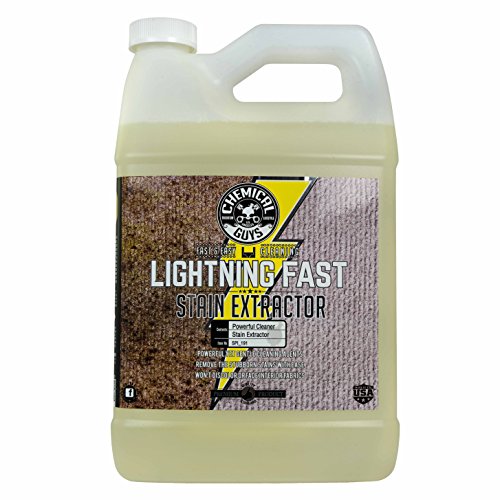
For an instant refresh of your beloved patio chairs and lounges, mix a solution of warm water and mild dish soap. Using a soft-bristled brush, scrub away dirt and stains, paying particular attention to any lingering spots. Rinse thoroughly with a garden hose, ensuring no soap residue remains.
After rinsing, allow the pieces to air dry completely in the shade. Direct sunlight can cause fading or damage to the fabric, so patience in drying is key. If you’re facing stubborn mildew or mold, a mixture of equal parts vinegar and water can eliminate those issues effectively.
After the fabric has dried, consider applying a fabric protectant specifically designed for outdoor textiles. This additional step will help repel moisture and stains, prolonging the life of your seating areas. Regular maintenance, such as brushing off debris and occasional rinsing, will keep your outdoor relaxation spots looking fresh and inviting.
Cleaning Patio Textiles
To remove stains, I blend a solution of gentle detergent and warm water. Using a soft brush, I apply the mixture to the soiled area, working it in a circular motion.
After scrubbing, I rinse with clean water to eliminate any soap residue. If the blemish persists, I create a paste of baking soda and water, apply it to the stain for about 30 minutes, then rinse.
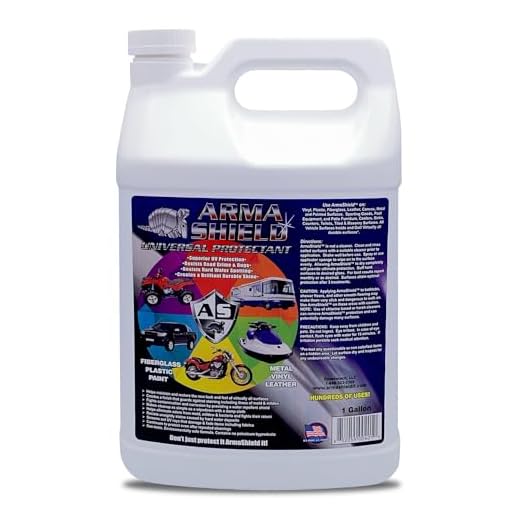


For a routine refresh, I set a schedule, cleaning all items every season. This helps prevent buildup and keeps them looking fresh.
Materials vary; always check the care label before proceeding. Some fabrics may require special cleaners or techniques.
Air drying is crucial. I avoid placing items in direct sunlight for prolonged periods, as this could fade colors. Instead, I let them dry in a well-ventilated area.
Store textiles in a dry, sheltered space during the off-season. Using breathable covers can protect against dust and moisture.
Regular maintenance enhances longevity. I vacuum surfaces periodically to remove dust and debris, ensuring they stay in good condition.
- Use a soft brush or cloth for gentle cleaning.
- Test any cleaning solution on a small area first.
- Avoid harsh chemicals that could damage fibers.
- Make sure to rinse thoroughly after using any cleaning agent.
Assessing the Material Type for Cleaning
Before proceeding with any maintenance, I first identify the fabric type of the seating. Knowing whether the material is acrylic, polyester, cotton, or a blend allows me to choose the correct products and methods. For fabrics like acrylic, which are often water-resistant and durable, a gentle soap solution works effectively. However, for cotton, which is more prone to staining, I opt for specialized cleaners designed to lift dirt without damaging the fibers.
If the upholstery includes a protective coating, like Teflon, I assess its condition. If the coating is intact, I can utilize milder cleaning solutions. If any wear is evident, I may need to consider reapplying the protective layer post-cleaning.
Natural fibers, such as linen or hemp, require extra caution. I avoid excessive moisture to prevent mold and mildew. Instead, I use a soft brush to gently remove debris, followed by a light mist of a suitable cleaner. For synthetic materials, I find that a mixture of vinegar and water often does the trick without compromising the integrity of the fabric.
Understanding whether the upholstery is constructed for indoor or outdoor use is also key. Outdoor fabrics typically feature higher resistance to fading and moisture, allowing for more robust cleaning methods. Conversely, indoor ones may be more delicate and should be treated with care.
Finally, before any deep treatment, I check for care labels that provide specific instructions. Following those guidelines helps ensure that the maintenance process is safe and efficient, preserving the material’s original look and feel.
Choosing the Right Cleaning Products
I opt for products specifically designed for the type of fabric I’m dealing with. For synthetic materials, I prefer mild detergents that effectively break down dirt without causing damage. If the fabric is natural, such as cotton or linen, I choose enzyme-based cleaners that target organic stains, ensuring they maintain their integrity.
Always read labels to avoid harsh chemicals that may fade colors or weaken fibers. I look for biodegradable options that are safe for the environment, which also helps when cleaning outdoors.
For stubborn stains, I keep a stain remover handy, ensuring it’s compatible with my fabric type. Testing any new cleaner on a hidden area first is a step I never skip to prevent potential discoloration. I also appreciate multi-surface cleaners that can address diverse materials, minimizing the need for multiple products in my cleaning arsenal.
Using a fabric protector after cleaning is a practice I find useful; it helps repel dirt and stains in the future, making maintenance easier. I ensure the protector is suitable for the specific material I’m treating, providing an extra layer of defense against wear and tear.
Preparing the Upholstery for Cleaning
Before tackling any stains or dirt, I check for loose debris. A soft brush or a vacuum attachment is ideal for removing dust and crumbs. This step is crucial to prevent any scratching during the subsequent steps.
Next, I inspect the fabric for any rips or tears. It’s important to address these issues before treatment to avoid further damage. I consider using fabric repair kits if necessary.
I also ensure that all cushions are removable, allowing for a thorough cleaning process. If they are not removable, I concentrate on spot treatment.
I’ll examine care labels for specific instructions and recommended maintenance procedures to follow proper guidelines tailored to the material. It’s advisable to always conduct a patch test in an inconspicuous area to be sure that the cleaning solution won’t cause discoloration or damage.
I gather all necessary supplies–brushes, microfiber cloths, cleaning agents–so everything is at hand for an efficient process.
Step-by-Step Cleaning Process
Begin with removing all cushions and detachable covers to expose the underlying fabric. Shake out any debris and dirt that has accumulated.
1. Spot Treatment
Inspect for any specific stains. Apply a targeted stain remover directly onto the affected area. Allow it to sit as per the product instructions before moving on.
2. Prepare Cleaning Solution
Mix a gentle detergent with warm water in a bucket. Utilize a soft-bristled brush for application, ensuring it doesn’t damage the fibers. A mixture of vinegar and water can be effective for certain materials.
3. Application and Agitation
Dip the brush into the cleaning solution and gently scrub the surface. Focus on high-traffic areas and spots. Rinse the brush frequently to avoid redistributing dirt.
4. Rinsing
Once scrubbing is complete, use a hose to rinse away the cleaning solution. It’s crucial to remove any residual soap to prevent dirt from adhering in the future.
| Step | Action |
|---|---|
| 1 | Remove cushions and shake out debris. |
| 2 | Apply stain remover to specific spots. |
| 3 | Mix a cleaning solution of detergent and water. |
| 4 | Scrub with a soft brush and rinse frequently. |
| 5 | Rinse thoroughly to eliminate soap residues. |
5. Drying
Allow the fabric to air dry completely in a shaded area to prevent fading. Avoid direct sunlight to maintain color integrity.
After drying, replace the cushions and covers. Regular maintenance helps extend the lifespan of the material.
Drying and Maintaining Upholstery After Cleaning
Ensuring the fabric dries thoroughly is paramount to prevent mold and mildew growth. I recommend the following steps:
- Remove excess moisture using a clean, absorbent towel. Blot the surface rather than rubbing to avoid damaging fibers.
- If possible, place the seating in a well-ventilated area. Open windows or use fans to enhance air circulation.
- For outdoor settings, direct sunlight can aid in the drying process. However, be cautious with prolonged exposure, as it may fade colors.
- Avoid folding or moving the material until it is fully dry to maintain shape and integrity.
Post-drying maintenance can ensure longevity and appearance:
- Inspect for any stains that may have resurfaced and treat them promptly.
- Regularly brush off dirt and debris to keep the fabric looking fresh.
- Consider applying a fabric protector to shield against future stains and UV damage.
- Schedule deep cleaning every season or as needed, depending on usage and exposure to the elements.
Staying consistent with these practices will keep your seating looking sharp and comfortable for years to come.
Preventing Future Stains and Damage
Applying a high-quality fabric protector is a proactive measure I take to repel moisture and prevent the absorption of spills. This barrier helps keep surfaces looking pristine. Regular reapplication of the protector, especially after exposure to harsh weather, ensures ongoing protection.
Routine Maintenance
I maintain a consistent cleaning schedule to remove debris, dust, and allergens, which can attract moisture and lead to stains. A soft brush or a vacuum with an upholstery attachment works wonders during these sessions. I avoid using harsh chemicals, opting instead for gentle soap solutions to preserve fabric integrity.
Storage Solutions
Whenever possible, I store items indoors during the off-season. If that’s not an option, I cover my possessions with breathable covers. This prevents moisture accumulation and shields against UV rays, which can fade colors over time. Choosing storage areas with adequate ventilation helps, reducing mold growth risks.