
 Caleb Turner

Choosing the right clubhead angle can significantly impact your performance on the course. I recommend paying close attention to the specifics of this parameter, as it influences ball trajectory, distance, and accuracy. Generally, a higher angle promotes a higher trajectory, which can be beneficial for achieving more carry distance, particularly in softer conditions. Conversely, opting for a lower angle can lead to a penetrating flight that cuts through the wind better, ideal for firmer ground.
In my experience, players with a faster swing speed often prefer a lower clubhead angle, as it allows them to maximize their control and distance. Alternatively, those with slower swings may benefit from a higher angle, as it increases launch conditions and can result in greater carry. Analyzing your swing mechanics and understanding your playing style is crucial before making a selection.


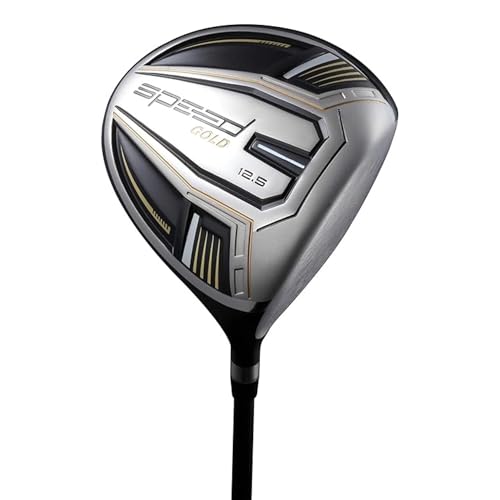

Additionally, adjustments to this measurement can also affect spin rates. A steeper launch typically increases backspin, which can help with stopping power on the greens. Therefore, it’s essential to find a balance that aligns with your individual needs. Testing various angles at a fitting session can provide invaluable insights into how these changes will impact your overall game.
Understanding Variations in Clubhead Angle
The angle of the clubhead significantly influences ball trajectory and distance. For players seeking more height, a clubhead with a higher angle is advisable, often recommended for those with slower swing speeds. This configuration helps achieve optimal launch conditions.
Conversely, golfers who generate higher swing speeds might benefit from lower angles. These specifications can assist in reducing spin rates, allowing for a more penetrating flight and enhanced roll upon landing.
Personal preference plays an integral role in selecting the right angle. Testing different settings at a driving range is beneficial. I often suggest trying various options during practice to determine which one aligns best with individual swing characteristics.
In addition to trajectory, equipment choice can greatly impact consistency. With adjustable options available, players can fine-tune their setup. I recommend experimenting with adjustments to understand how subtle changes can affect performance on the course.
Lastly, consider your playing style. If you favor distance over accuracy, you might lean towards specific settings that maximize carry. Alternatively, those who prioritize control might select angles that enhance their ability to shape shots. Personal experimentation remains key in this decision-making process.
Understanding Loft and Its Role in Driver Performance
Choosing the right launch angle can significantly influence distance and accuracy on the course. A higher angle can provide a steep trajectory, promoting more carry distance, while a lower angle tends to produce a flatter flight path for better control. Club fitters often recommend testing different angles to determine which best suits your swing style and speed.
Loft adjustments also impact spin rates. More loft generally increases backspin, crucial for achieving optimal height, while less loft decreases backspin, producing a penetrating ball flight preferred by some players. A balance must be found to maximize distance while maintaining control over the shot.
Understanding the specific degrees of loft is essential. Typical configurations range from 8 degrees to 12 degrees for modern clubs, with 10.5 considered the standard for many recreational players. Testing various loft settings during practice can reveal your ideal setup, ensuring maximum performance during play.
| Loft Degree | Launch Angle | Spin Rate |
|---|---|---|
| 8° | Low | Low |
| 9° | Medium-Low | Medium-Low |
| 10.5° | Medium | Medium |
| 12° | Medium-High | High |
Adjustments to loft are not only about maximizing distance, but also ensuring optimal flight characteristics that align with your swing dynamics. Seek professional advice on tuning, as slight changes can lead to significant improvement in performance.
How Loft Angle Affects Launch Angle and Ball Flight
Choosing an appropriate angle of inclination can significantly influence the trajectory of the golf ball. Generally, a higher angle results in a steeper launch, which leads to an elevated ball flight and increased carry distance. For instance, using a club with a loft of 12 degrees compared to one with 9 degrees will typically yield a higher launch angle, making it easier for less experienced players to achieve optimal distance.
Reducing the angle can decrease the launch height, which might enhance control and create a more penetrating ball flight. Players who prefer a lower trajectory, often for windy conditions or to reduce spin, might opt for clubs with a diminished inclination. This choice allows for a controlled and stable flight path.
Finding the Ideal Balance
It’s essential to balance the angle with swing speed and style. A player with a slower swing speed could benefit from a loftier angle, while those with more powerful swings might find success with a lower inclination. Testing various options on a launch monitor is crucial; it provides immediate feedback on how adjustments impact ball speed, launch angle, and spin rates.
The Role of Face Angle
The face angle of the club, in conjunction with the angle of inclination, can also determine ball behavior. A square face combined with a specific loft creates predictable results, whereas an open or closed face can drastically alter direction and flight. Adjusting these factors can help optimize performance based on individual playing style and conditions.
Ultimately, understanding how these measurements influence launch and trajectory assists in making informed decisions when selecting equipment. This knowledge can lead to improved performance and a more enjoyable golfing experience.
Impact of Loft on Distance and Carry for Different Skill Levels
To maximize distance and carry, it’s crucial to select the right angle for your clubhead especially based on your skill set. For beginners, utilizing a higher angle typically results in increased launch and carry. A loft of around 10.5° to 12° is advisable as it helps get the ball airborne more easily, reducing the chances of slicing.
For intermediate players, adjusting the loft between 9° and 10.5° can be beneficial. This range allows for a lower trajectory while still providing sufficient height, creating a balance between distance and accuracy. A slight reduction in angle can aid in achieving a more penetrating ball flight.
Advanced golfers may prefer a loft of 8° to 9°. This lower angle promotes a more controlled flight, which can significantly increase roll after landing. Such players often generate higher swing speeds and can manage the trade-off between height and distance more effectively.
It’s also important to consider swing speed in relation to loft:
- Below 85 mph: Higher lofts (10.5° – 12°) are essential for maximizing carry.
- 85-95 mph: Mid-range lofts (9° – 10.5°) work best for achieving optimal distance.
- Above 95 mph: Lower lofts (8° – 9°) may help advance distance due to lower drag and better control.
Testing different angles through sessions on the range is recommended to pinpoint personal preferences. Factors such as ball speed, angle of attack, and launch conditions play pivotal roles in determining the ideal angle for every player. Balancing these aspects can lead to significant improvements in performance and enjoyment on the course.
Choosing the Right Loft for Swing Speed and Tempo
For optimal performance, I recommend selecting an angle between 10.5° and 12° for slower swing speeds (below 85 mph). This range helps achieve a higher launch while minimizing spin, providing better distance and accuracy.
Conversely, golfers with moderate swing speeds (85-100 mph) should consider an angle of 9° to 10.5°. This will support a lower trajectory that maximizes distance while still allowing for control.
High swing speed players (over 100 mph) benefit from a lower angle, such as 8° to 9°. This maximizes distance by reducing spin and promoting a penetrating ball flight.
Factors Influencing Loft Selection
- Tempo: A smoother tempo pairs well with a higher angle, whereas aggressive swings can be complemented by a lower angle.
- Playing Conditions: Windy environments may require a lower angle for stability, while calm conditions can allow for a higher angle.
- Ball Type: Pairing the right type of ball can also influence performance based on the chosen angle.
Custom Fitting Advice
Getting fitted is critical. I suggest testing different angles during a fitting session to find the combination that delivers optimal launch characteristics and distance. Trackman or similar launch monitors can provide precise feedback on how angle affects ball performance with your unique swing mechanics.
Comparing Different Loft Settings Among Popular Driver Brands
For optimal performance, understanding the specifics of loft settings across various manufacturers can enhance your game. Here are key insights on popular brands:
- TaylorMade: Their adjustable models typically feature a range from 8° to 12°. A lower angle promotes a flatter trajectory, ideal for aggressive swingers seeking more roll.
- Callaway: Known for the Big Bertha series, they offer settings from 9° to 12°. Their lightweight construction aids slower swing speeds in achieving higher ball flights, boosting distance.
- PING: Their G series drivers allow for loft adjustments from 9° to 12°. The innovation lies in their alignment technology, helping maintain directional accuracy even in higher settings.
- Cobra: Using a multi-dimensional approach, their drivers also range from 9° to 12°. Providing rear-weighting features can lead to more forgiveness and improved launch conditions.
Different settings also cater to skill level. Beginners often benefit from increased loft to enhance launch angles, while advanced players may opt for lower lofts to maximize control and distance. It’s essential to consider your swing speed and tempo in making adjustments between brands.
When comparing specifics:
- Evaluate the range: Look for models that allow for more flexibility in loft adjustments to suit evolving skills.
- Assess technology: Some brands incorporate aerodynamic enhancements that can affect overall performance, not just the angle.
- Personal preference: Comfort and feel with a particular brand may sometimes outweigh precise loft specifications, leading to better results on the course.
Choosing the right setup can significantly impact your shot consistency and accuracy. Analyzing these variations can lead to more informed decisions and improvements in play.
Adjustable Loft Features: Customizing Your Driver for Optimal Results
Consider a driver equipped with adjustable settings; this technology allows me to tweak the angle of the clubface for tailored outcomes. The ability to modify the loft can significantly influence shot trajectory, spin rates, and the overall stability of my game. For precise fine-tuning, I focus on two main adjustments: increasing loft for higher launches, or decreasing it for a more penetrating ball flight.
Practical Application of Loft Adjustments
For instance, when I face a challenging course with high winds, adding loft helps me elevate the ball, enhancing carry distance against strong gusts. Conversely, on a calm day where distance is paramount, reducing loft keeps my shots low and drives them further down the fairway. I also take into account my swing mechanics; players with faster tempos may benefit from lower lofts to manage spin effectively, while smoother swings could warrant higher loft settings for optimal carry.
Utilizing Brand-Specific Features
Each manufacturer tends to incorporate unique mechanisms in their adjustable technology. I examine brands like TaylorMade and Callaway, which offer extensive ranges of loft adjustments via simple dials or interchangeable weights. Understanding these brand-specific features ensures that I exploit my driver’s capabilities fully. Additionally, I often experiment with my settings during practice rounds to find the perfect configuration that complements my performance for various courses and conditions.
Common Misconceptions About Loft and Golf Club Fitting
It’s easy to assume that more elevation always leads to greater distance on the fairway. Many players mistakenly believe that adjusting the angle at which the clubface meets the ball solely influences height. However, this misconception overlooks the complexity of launch dynamics and how various angles affect spin rates and carry distance.
Another common misunderstanding is that increasing the angle of the clubface benefits all golfers equally. In reality, individual swing mechanics–such as speed and angle of attack–play a significant role in determining the ideal elevation setting. A novice may not benefit as much from high angles as a seasoned player due to differences in swing consistency and strength.
Additionally, some think that a one-size-fits-all approach suffices for selecting the best equipment. Each golfer’s style requires personalized adjustment; what works for a friend or professional may not be suitable for your unique swing characteristics. Accurate fitting necessitates an understanding of your specific output and biomechanics rather than merely mirroring someone else’s setup.
A misconception also exists regarding the ease of adjusting club settings. While many modern clubs offer adjustability, simply changing the angle without understanding its specific effects on flight path or trajectory won’t yield optimal results. I recommend consulting with a fitting expert who can provide insights tailored to your game before making adjustments.
Finally, there’s a belief that players can instantly achieve results by choosing a specific angle or equipment. This is misleading; consistency in practice is critical. Even with optimal gear, incorporating the right technique alongside regular practice is essential for improvement. Fitting equipment to enhance your game is just one part of the equation.
Trends in Driver Loft Preferences Among Amateur and Professional Golfers
Based on current observations, a notable shift is occurring in the preference for clubhead angles between amateurs and seasoned players. Amateurs seem to gravitate towards higher angles for increased forgiveness and higher launch. Specific models, such as the TaylorMade Sim2 and Callaway Rogue, are frequently favored by this group due to their user-friendly attributes and adjustable features.
On the other hand, elite competitors typically lean towards lower angles. This preference allows for reduced spin and a more penetrating flight path, optimizing distance under various conditions. Many professionals utilize models like the Titleist TSi series, which are designed for precision and adaptability.
| Skill Level | Common Loft Preference | Examples of Clubs |
|---|---|---|
| Amateur | 10.5° – 12° | TaylorMade Sim2, Callaway Rogue |
| Professional | 8° – 10° | Titleist TSi, Ping G425 |
As I analyze the equipment choices of both groups, it becomes clear that the emphasis is not solely on the angle itself but also on how it harmonizes with swing characteristics. Amateurs benefit from loftier settings that enhance launch and carry, while skilled players prioritize penetration and control to maximize distance.
The increasing availability of adjustable features in many brands also supports this trend, allowing players to tailor their equipment to personal needs, further blurring the lines in preference between amateurs and professionals.
FAQ:
What is driver loft and why does it matter?
Driver loft refers to the angle of the clubface that impacts the trajectory and distance of the ball. A lower loft angle (around 8-10 degrees) is generally used by more skilled players to achieve a flatter trajectory, while higher loft angles (12-14 degrees) are often chosen by beginners or those looking for a higher launch angle. The loft affects not only how high the ball flies but also how far it travels, making it an important consideration when selecting a driver to suit individual swing styles and needs.
How does driver loft influence ball distance?
The loft of a driver directly influences the distance a ball can travel. Lower lofts tend to produce lower launch angles and can generate more roll upon landing, which is ideal for hitting longer distances on firm ground. Higher lofts lead to higher launch angles, which can help increase carry distance, particularly for players with slower swing speeds. It’s crucial to match the loft of the driver with your swing type to maximize distance and accuracy.
Can changing the loft on my driver improve my game?
Adjusting the loft on your driver can help optimize your launch angle and spin rate, which might lead to improved distance and accuracy. For example, if you are consistently hitting the ball too high or too low, altering the loft could correct flight patterns. Many modern drivers come with adjustable loft settings, allowing players to fine-tune their equipment based on performance feedback. It’s recommended to work with a fitting professional to find the best loft for your specific swing dynamics.
What loft should I choose as a beginner vs. an experienced player?
As a beginner, a driver with a higher loft (around 10.5 to 12 degrees) may be beneficial. This higher loft can help elevate the ball easier, leading to better launch conditions and greater forgiveness. Experienced players, particularly those with faster swing speeds, often prefer lower loft options (8 to 10 degrees) as they seek to control the ball’s flight more precisely and achieve a flatter trajectory for increased distance. Ultimately, personal preference and individual swing characteristics will play a key role in determining the best loft.
Do different brands of drivers influence loft performance?
Yes, different brands can produce drivers with varying technologies that influence how loft affects ball performance. Each brand might have distinct design philosophies, leading to differences in how loft is presented, such as face angle and weight distribution. For instance, some brands might incorporate adjustable weights that can affect the performance characteristics of specific loft settings. It’s advisable to test several brands to find one that feels comfortable and performs well with your swing, as loft can interact differently depending on the driver model and its features.


