
 Caleb Turner

Maintain a safe distance of at least 12 inches between wall-mounted radiators and any surrounding items. This spacing is crucial for optimal air circulation and effective heat distribution. Closer placement can hinder functionality and pose fire hazards.
When arranging items near heating elements, consider the material composition. Non-combustible materials are preferable within the recommended zone, whereas flammable substances should ideally remain at least 24 inches away to minimize risks. Regularly check for dust accumulation; this can obstruct airflow and affect heater performance.
For larger pieces, such as couches or shelves, it’s wise to keep them at least 18 inches away to allow for heat convection. If space constraints exist, use heat-resistant barriers to shield vulnerable items while ensuring adequate ventilation.
Recommended Distances from Electric Baseboard Heating
The safest practice is maintaining at least 12 inches of space between heating units and nearby items. This distance helps prevent potential fire hazards and allows for adequate airflow.
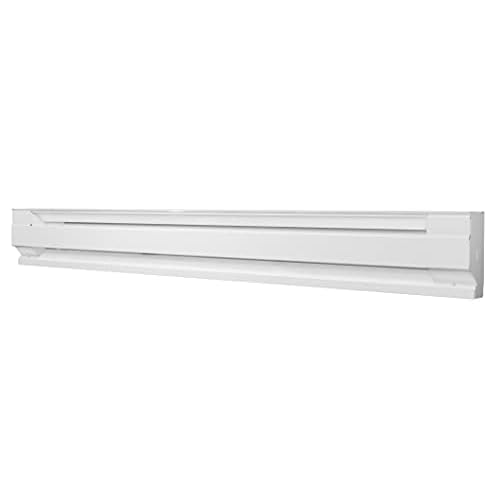


Here’s a detailed breakdown of suggested placements:
| Item Type | Minimum Distance |
|---|---|
| Sofas | 12-18 inches |
| Chairs | 12 inches |
| Tables | 12-24 inches |
| Rugs | 24-36 inches |
| Curtains | 6 inches |
For optimal safety, I recommend keeping any items that generate heat or are flammable even further away from these sources. Regularly checking the positioning of belongings and ensuring they do not encroach into the critical zones can mitigate risks and enhance safety in your space.
Understanding Electric Baseboard Heater Functionality
Maintain at least 12 inches of distance between surrounding objects and the heating units to ensure optimal air circulation and prevent overheating. These units function by drawing in cooler air from the room, heating it, and then releasing warm air back into the space. Obstructing this airflow can diminish performance and increase fire risks.
Temperature Regulation
Many models are equipped with built-in thermostats that help regulate temperature, maintaining a comfortable environment efficiently. Proper placement enhances their functionality, making user experience more pleasant. Consider using programmable or smart thermostats that adjust settings based on occupancy and time of day to further optimize energy use.
Maintenance Tips
Regularly inspect appliances for dust buildup or blockages. I find cleaning around the units every season beneficial in preventing inefficiencies. For safety, ensure that these devices are in good working order, as worn-out elements can pose hazards and reduce heating capacity.
Recommended Clearance Distances for Safety
Maintain a minimum clearance of 12 inches on all sides of the heating unit. This space prevents heat buildup and allows proper airflow, reducing fire hazards.
For larger items such as couches or heavy chairs, consider increasing the distance to 18 inches to avoid overheating and potential damage to the furniture.
Smaller decor pieces can be placed closer, but ensure they remain at least 6 inches away. Items made of flammable materials should never be within this proximity.
Always check manufacturer guidelines for specific recommendations as different models may have varying requirements. Safety standards can differ based on local building codes, so stay informed about regulations in your area.
Regularly inspect the surrounding area to ensure no items encroach upon the designated clear space. This proactive approach helps maintain safety and enhances efficiency in heating performance.
Impact of Proximity on Heating Performance
Maintaining a minimum distance of 6 to 12 inches from heating units enhances efficiency. When items are too near, airflow becomes obstructed, leading to uneven warmth distribution. This can result in decreased comfort levels and higher energy consumption, as the system works harder to achieve the desired temperature.
Additionally, the effectiveness of the heater diminishes when surfaces absorb heat instead of allowing it to circulate. Materials such as fabric or wood can impede thermal flow, adversely affecting the overall heating pattern in a space. For optimal functionality, I recommend placing objects strategically to encourage unobstructed air movement.
Monitoring temperature variations also becomes essential. If I notice certain areas remain colder, it may signal that nearby items restrict proper heat emission. Periodically reassessing placement can prevent such issues and maintain a balanced environment.
Types of Furniture to Avoid Near Heaters
It’s advisable to keep any items made of fabric, such as curtains, upholstered chairs, or soft furnishings, at least three feet away from a heat source. These materials are prone to catching fire if they come into contact with high temperatures.
Wooden pieces, particularly those with a glossy finish, should also be distanced to prevent warping or discoloration due to heat exposure. While solid wood is more resilient, maintaining a safe distance is still a prudent choice.
Metallic items may not ignite but can become excessively hot, posing a risk when touched. Avoid placing decorative metal objects, like small tables or sculptures, too near the radiator.
Electrical appliances, such as lamps or fans, can malfunction if positioned too close, increasing the likelihood of accidents. Maintain a clearance of several feet from any heat-producing equipment.
Lastly, avoid storing any flammable materials, including newspapers, cleaning supplies, or cardboard boxes, near heating elements. This practice mitigates fire hazards and ensures safety in your living space.
Material Considerations for Furniture Placement
Selecting appropriate materials for items near heating sources is critical. Non-combustible substances such as metal and glass are ideal. They withstand high temperatures without risk of ignition. On the other hand, natural woods and certain plastics may warp or discolor due to heat exposure, necessitating cautious placement.
Flammable Materials
Avoid placing items made from flammable materials, such as untreated fabrics or paperboard, within proximity of heaters. These materials can ignite if overheated, posing a safety hazard. Textiles, including upholstered pieces or draperies, should be kept at a safe distance to mitigate fire risks.
Temperature Resistance
Consider heat resistance when choosing surfaces. Metal or tempered glass tables are excellent choices as they remain stable under heat. Additionally, recognize that synthetic materials may deteriorate over time if placed too near a heat source. Checking product specifications for heat tolerance can prevent future issues.
Evaluate the long-term effects of heat on the structural integrity of the materials used in your items to ensure both safety and durability. Prioritize well-insulated materials that resist warping and maintain their appearance over time.
Electrical Fire Risks and Precautions
Maintain a minimum distance of 12 inches between heating elements and any nearby objects to mitigate fire hazards. Excessive heat can ignite materials, especially flammable substances like wood or fabric. It’s crucial to keep any items such as curtains, blankets, or papers well away from these devices.
Regular inspection of the heating units is advisable. Check for accumulated dust or debris, which can catch fire if they come into contact with heated surfaces. Cleaning these areas periodically helps prevent fire risks associated with overheating.
Using a thermostat helps regulate temperature and prevents overheating. Overuse of the heating units to reach desired warmth can lead to higher risks. Setting them to a moderate level provides comfort while reducing fire potential.
Opt for furniture made from fire-retardant materials. Understanding the materials involved in your interior design plays a significant role in safety measures. Avoid synthetic fabrics and upholstery that may catch fire easily when exposed to direct heat.
Educate household members on fire safety practices, including the importance of keeping pathways clear and knowing evacuation routes. Having a fire extinguisher accessible nearby enhances safety provisions against any potential hazards.
Best Practices for Arranging Furniture Around Heaters
Maintaining an optimal arrangement of items near heating elements is vital for safety and efficiency. Recommended spacing is typically 6 to 12 inches from the heat source. This distance ensures proper air circulation and prevents overheating of materials.
Strategic Placement Tips
- Use modular pieces that can be easily adjusted based on heat output and room design.
- Position seating areas away from direct heat to enhance comfort and avoid discomfort from excess warmth.
- Incorporate floating shelves or wall-mounted storage to conserve floor space and maintain distance.
Preferred Material Choices
- Opt for wooden or metal items rather than fabric-covered pieces, which can absorb heat and become damaged.
- Choose glass or ceramic accessories that can withstand temperature fluctuations and provide visual aesthetics without risk.
- Examine finishes on surfaces, as heat can alter some lacquers and varnishes over time.
Regularly assess the arrangement. Seasonal changes in heating needs may require adjustments to maintain both comfort and safety. Prioritize functional access to controls for heating devices while keeping decorative elements at a safe distance.
Common Misconceptions About Heater Clearance
One significant myth is that placing items right against a heating unit is safe. This is incorrect; many materials can ignite or warp when exposed to high temperatures. I recommend maintaining at least 12 inches of space between any objects and the heater.
Another misconception is that the heater should be completely concealed for aesthetic reasons. Covering the heater not only restricts airflow but also poses a fire risk. It’s crucial to allow adequate circulation around the unit to ensure optimal heating and safety.
Some believe that only combustible materials are hazardous. In reality, even non-combustible items like metal can overheat and affect nearby surfaces. Keeping a safe distance allows proper function and protects surrounding areas.
The idea that warmer air can rise freely is sometimes misleading. While heat rises, blocking or crowding heaters interferes with the natural airflow patterns in a room. This reduces overall heating efficiency.
A common belief is that positioning large pieces toward a heating source boosts warmth. While it may seem logical, this can create cold spots and lead to discomfort. Instead, distributing seating and other elements evenly throughout the space promotes better heat distribution.
Lastly, I often encounter the notion that children or pets won’t go near a heater. It’s essential to consider wandering hands and paws; installing safety guards can prevent accidental contact and ensure peace of mind.
Consulting Manufacturer Guidelines for Specific Models
Always refer to the manufacturer’s specifications for particular models, as these documents provide precise recommendations regarding spacing and safety. Different brands may have varying requirements due to design differences and heating technology.
Key recommendations include:
- Locate the installation manual, which typically includes clearance specifications, safety tips, and specific installation instructions.
- Adhere to the minimum distance stated in the guidelines to ensure optimum safety and efficiency.
- Check for any warnings related to specific materials or furniture types that could pose risks if positioned too near the unit.
For example, many manufacturers suggest maintaining a minimum distance of 12 inches from the heater to non-combustible materials, while flammable items may require even greater separation. This guideline varies depending on the model and its heating capacity.
Additionally, some brands may suggest positioning reflective materials away from the heat source to promote more even heating while ensuring safety. Understanding these manufacturer-specific details can significantly influence the performance of your heating system.
Always stay informed about any updates or recommendations that may affect the safety and functionality of the heating system in your space.


