Caleb Turner

Begin with a high-quality furniture slider. These handy devices reduce friction, allowing me to glide bulky pieces across a smooth surface effortlessly. Place them under each corner of the object. This simple addition makes a significant difference in maneuverability.
Using a thick blanket or moving pad is another strategy I find effective. By sliding the item onto the fabric, I create a buffer between the piece and the surface, helping to prevent scratches or dents. Additionally, once the item is on the blanket, I can easily pull it to the desired location without lifting.
If I face especially tight corners or narrow passages, tipping the item at a slight angle can assist in getting it through. I steer clear of extreme angles that may cause damage but gently tilting often helps. Furthermore, involving a second person to assist in guiding and stabilizing the piece adds an extra layer of safety and control.
Always measure the dimensions of the object and pathways beforehand. Knowing the exact measurements ensures I will avoid surprises as I navigate through doorways or around furniture.
Tips for Transporting Bulky Items on Wooden Surfaces
Utilize sliders or moving pads to protect the surface and facilitate sliding. These can significantly reduce friction, allowing for easier repositioning.

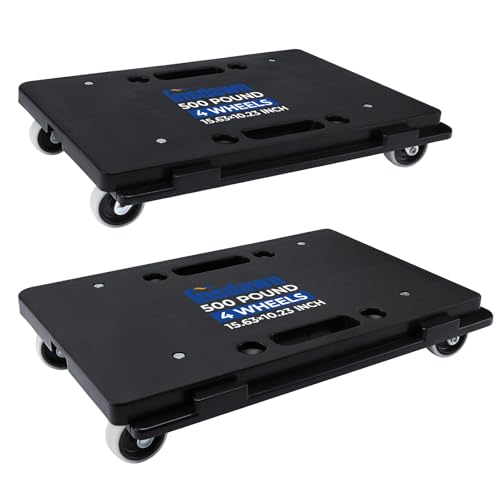
- Select high-quality furniture sliders that match the weight and size of the item being transported.
- Lift one corner of the item, place a slider beneath, and gradually work around the piece.
Employ a dolly or hand truck when possible. This method distributes weight and minimizes strain on both the item and the surface.
- Ensure the dolly is designed for the weight you are handling.
- Secure the item with straps to prevent it from falling.
For stubborn pieces, consider disassembling components if feasible. This technique lightens the load and simplifies the process.
- Remove legs or detachable sections before relocation.
- Label parts as you disassemble for easier reassembly.
Protect corners and edges with moving blankets or bubble wrap to avoid damage during transport. Secure these coverings to keep them in place.
Collaborate with a partner for larger items. Coordinated efforts ensure better control and balance, reducing the likelihood of accidents.
- Communicate clearly about movements when lifting and shifting.
- Establish a plan for navigating through doorways or tight spaces.
Ensure you clean the surface regularly to remove dust and debris. This reduces the risk of scratches and damage to the finish.
Selecting the Right Equipment for the Move
For the task at hand, I highly recommend a furniture dolly with rubber wheels. This choice minimizes the risk of scratching and denting surfaces during transport. A hand truck is also a solid option, especially for heavier pieces, allowing for smoother transitions across the space.
Using furniture sliders is another effective method. These can be placed under the legs or corners of the item, allowing it to glide effortlessly across the surface. Choose sliders made of durable material to prevent wear and tear.
If the item is exceptionally bulky, strapping straps or a moving blanket can provide extra support while preventing damage. The blanket also serves as a cushion during relocation.
Secure lifting gloves enhance grip and protection, significantly reducing the chances of slips or injury. For larger pieces, I recommend enlisting a buddy or using a lifting strap to distribute weight more evenly.
Assess the surroundings with care. Clearing pathways of obstacles is essential, allowing for an unobstructed path that minimizes effort and risk. Have all equipment prepared before beginning to ensure a seamless transition.
Preparing Your Hardwood Surface for Protection
I always begin by thoroughly cleaning the area to ensure no dust or debris can cause scratches during the relocation process. A microfiber mop is my go-to tool for this job; it picks up dust efficiently without leaving any residue behind.
Applying Protection
Using protective padding is a must. I opt for furniture sliders or felt pads, which help reduce friction and prevent marking. Here’s a quick guide on the thickness of pads to consider:
| Type of Pad | Thickness (inches) | Recommended Use |
|---|---|---|
| Felt Pads | 1/4 | Lightweight pieces |
| Rubber Pads | 1/2 | Medium to heavy items |
| Heavy-Duty Sliders | 3/4 | Very large objects |
Creating a Safe Path
I always lay down a protective runner or moving blankets along the pathway to minimize any risk of damage. This layer provides cushioning against impacts and scratches, ensuring the surface remains pristine.
Before starting any relocation task, I also check for uneven areas or loose floorboards. Any irregularities should be addressed beforehand to prevent further complications during the process.
Utilizing Furniture Sliders to Reduce Friction
I recommend placing furniture sliders beneath the legs or edges of larger items to significantly lessen resistance. These small yet powerful tools, available in various sizes and materials, can be customized for different pieces. Plastic sliders are ideal for minimal weight, while felt sliders offer an extra layer of protection and glide smoothly across surfaces.
Before positioning the sliders, ensure the area is clear. Carefully lift one side of the piece just enough to slip the slider underneath without straining. For bulky items, enlisting someone to assist can make this task easier and safer. When the sliders are in place, slight pressure on the item allows it to glide effortlessly.
For optimal performance, choose sliders that match the stature of your furnishings. A too-small slider might slip out, whereas a too-large one may not sit securely. For particularly delicate surfaces, selecting sliders with a softer base can prevent scratching and damage.
When repositioning a substantial item, consider using multiple sliders for balanced weight distribution. This approach minimizes strain on both the item and the surface, allowing for smoother transitions. Additionally, always double-check the placement of sliders before exerting force to avoid any mishaps.
After successfully relocating your item, assess the area where it sat originally. Make sure the sliders are still intact, and inspect your surface for any hidden scuffs or marks. This proactive step ensures that both the items you’re handling and the underlying surfaces remain in excellent condition.
Employing a Furniture Dolly for Safe Transport
I recommend using a furniture dolly as an effective method for transporting cumbersome items across a polished surface. This tool provides stability and minimizes the risk of damage to the surface beneath. Choose a model with a sturdy base and large rubber wheels for optimal maneuverability.
Loading the Dolly
When loading the item onto the dolly, position it so that its center of gravity is balanced. This ensures easy navigation and reduces the likelihood of tipping over. Secure the object with straps or ropes to prevent slippage during transit.
Navigating Tight Spaces
Utilize the dolly’s swivel wheels when navigating through narrow hallways or around corners. Take it slow to maintain control, and if necessary, have an extra pair of hands to assist. Consider tilting the dolly slightly when turning to make the process smoother.
After transporting, carefully unload the item by reversing the loading procedure. This systematic approach will help preserve the quality of both the object and the surface underneath.
Assembling a Team for Moving Heavy Items
Gather a reliable crew of individuals experienced in relocating bulky objects. Aim for a minimum of three to four people, depending on the size of the item and layout of your space. Clear communication about roles and strategies is crucial for a seamless process.
Assign Specific Roles
Designate specific tasks to team members. One individual can lead the operation, while others focus on maneuvering, lifting, or clearing pathways. Ensure everyone understands their responsibilities to optimize effort and enhance safety.
Check for Proper Training
Confirm that all members are aware of safe lifting techniques. Offering a brief training session on posture and mechanics can prevent injuries. Encourage team members to use their legs for lifting and maintain a stable base to enhance support during the task.
Measuring Doorways and Hallways for Clear Passage
Begin by measuring the width and height of each doorway and hallway through which the large item will pass. A reliable tape measure ensures accurate results; note dimensions on a notepad for easy reference. Subtract a few inches from the measurements to account for any wiggle room needed during the transition.
For doorways, focus on the frame as well. If the item is wider than the door, consider removing the door itself. This requires only a screwdriver to take out the hinges, making the space much more accommodating.
Check for potential obstacles in hallways, such as light switches, coat hooks, or furniture. Assess the layout to determine the best angle to navigate the item through. An L-shaped hallway may necessitate more intricate maneuvering–visualize the approach and plan accordingly.
It’s wise to practice the movement prior to the actual transport. A mock passage might reveal unforeseen challenges that can be addressed beforehand. If the item is particularly cumbersome, don’t hesitate to experiment with different angles during your test run.
Lastly, ensure that the path is clear of any debris or obstacles, facilitating a smooth transition. Reassessing the surroundings frequently can prevent avoidable delays or accidents during the process.
Using Ramps to Navigate Elevations and Steps
For efficient transitions between different levels, ramps present a practical solution. When installing a ramp, consider the following guidelines:
- Choose the Right Material: Opt for sturdy materials such as wood or metal. Plywood offers a solid base, while aluminum can be lightweight and durable.
- Calculate Appropriate Angle: A low incline is crucial for easy transportation. The ratio of rise to run should ideally be 1:12, meaning for every inch of elevation, you need at least 12 inches of length.
- Ensure Stability: Secure the ramp’s base against slipping by employing rubber pads or securing it with heavy objects. This maintains traction during movement.
Before setting the ramp in place, I measure the height of the step or elevation. This prepares me to determine both length and necessary modifications. Testing the ramp first ensures it can handle the weight without collapsing.
While using the ramp, keep a steady pace and avoid sudden movements. Continuous communication with teammates encourages coordinated pushing or pulling, which enhances safety and efficiency.
After the transition, remove the ramp carefully to avoid damages that may occur to the surrounding environment. By following these steps, I can successfully handle elevations and transitions without risking accidents or damaging my surroundings.
Implementing Proper Lifting Techniques to Avoid Injury
To prevent strain or injury during relocation, I always focus on proper lifting techniques. I bend at the knees instead of the waist, ensuring the strength of my legs supports the load. Keeping the item close to my chest allows me to maintain balance and control while moving.
Utilizing the Strongest Muscles
I engage my legs and core muscles for added stability. As I prepare for lifting, I take a moment to tighten my abdominal muscles, which helps protect my back from undue stress. I always keep my feet shoulder-width apart for better support, distributing my weight evenly as I lift.
Proper Footwear and Grip
I choose sturdy footwear with good traction to prevent slipping. Before lifting, I ensure a secure grip on the piece by utilizing both hands, positioning them on the sturdiest parts. If the item has handles, that’s where I grab. In some cases, I’ll use gloves for better grip and to protect my hands from sharp edges.
Securing the Items in Place After Transporting
Once the pieces are positioned, ensure their stability to prevent any shifting. Begin by checking that each structure is leveled and aligned properly. If a unit seems wobbly, adjust it until it stands firmly.
Using Furniture Straps
Utilize furniture straps to secure the items against walls or within cabinetry. This technique minimizes movement and provides additional safety, especially in active areas of the home.
Employing Non-Slip Pads
Place non-slip pads underneath the legs of the furniture. These pads help maintain the position of the belongings, reducing the risk of scratches on the original surface while also providing a steady base.